Enhancing Your Garden Design with the Manchineel Plant: A Landscaping Guide
1
Grasping the traits and development patterns of Manchineel is essential prior to incorporating it into your landscape.
2
Although Manchineel may provide visual charm, it demands particular upkeep and presents significant safety issues.
3
Think about investigating alternative plant selections that deliver comparable advantages without the dangers linked to Manchineel.
Exploring the Distinctive Characteristics of Manchineel
Overview of Manchineel's natural growth patterns
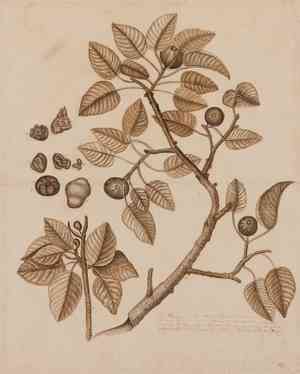
To assess if Manchineel suits your garden, it's crucial to first grasp its inherent growth behaviors. Manchineel flourishes in coastal areas, frequently growing in sandy soils near the shoreline. It typically reaches heights of up to 50 feet, with a wide canopy offering ample shade. However, what truly sets Manchineel apart is its rapid growth rate, establishing it as a dominant presence in its native environment. If you're considering adding Manchineel to your landscape, be ready for a tree that can quickly establish and grow vigorously.
Geographical distribution and adaptability
Manchineel is predominantly found in tropical and subtropical zones. Its capacity to adapt to saline conditions makes it a resilient option for coastal locales. Nevertheless, its presence is less common in temperate regions due to its susceptibility to cold temperatures. When planting Manchineel, it's vital to consider your local climate. For instance, if you reside in an area prone to frost, Manchineel might struggle to survive the winter months. Conversely, in a warmer climate, Manchineel could thrive and become a prominent feature of your garden's landscape.
Seasonal variations and their impact on Manchineel
Seasonal shifts significantly influence Manchineel's growth and vitality. During the wet season, Manchineel benefits from increased moisture, leading to lush, accelerated growth. Conversely, in drier periods, while Manchineel exhibits relative drought tolerance, extended dry spells could stress the tree. Furthermore, Manchineel produces small, greenish-yellow fruits that mature and drop in late summer to early autumn. These fruits, though visually appealing, are a critical consideration due to their toxic nature. Thus, understanding how seasonal changes affect Manchineel can help you provide appropriate care throughout the year.
The Advantages and Disadvantages of Incorporating Manchineel into Landscapes
Aesthetic benefits of including Manchineel in your garden
One primary reason gardeners consider Manchineel is its visual appeal. Manchineel boasts glossy, green leaves that remain vibrant year-round, imparting a lush, tropical ambiance to any garden. Its dense foliage provides excellent shade, making it an ideal choice for creating cool, relaxing garden spots. Moreover, the tree's sprawling branches add a dramatic effect, enhancing the overall landscape design. However, Manchineel's visual charm should be carefully weighed against its potential drawbacks.
Maintenance considerations for Manchineel
While Manchineel can bring beauty and elegance to your garden, it also demands specific upkeep. The tree's rapid growth rate necessitates regular trimming to prevent it from overshadowing other plants. Additionally, fallen leaves and fruits must be promptly cleared, as they can pose health risks to humans and animals. It's also crucial to ensure Manchineel is planted where its roots won't interfere with structures or other vegetation. Proper maintenance not only preserves the tree's health but also mitigates potential hazards.
Environmental impact and safety concerns
One of the most critical factors to consider is the environmental and safety implications of planting Manchineel. All parts of the tree, including its fruits, leaves, and bark, contain potent toxins that can cause severe skin irritation and other health issues upon contact. Therefore, it's crucial to plant Manchineel away from high-traffic areas, especially where children and pets frequent. On the positive side, Manchineel plays a vital role in coastal ecosystems, providing habitat and erosion control. Balancing its ecological benefits with safety concerns is key when deciding whether to include Manchineel in your garden.
Strategies for Effectively Integrating Manchineel in Outdoor Spaces
Design tips for landscaping with Manchineel
To successfully incorporate Manchineel into your landscape, careful design planning is essential. Begin by selecting an appropriate location, ideally towards your property's edge, where the tree can grow without posing a risk to people or conflicting with other plants. Consider pairing Manchineel with smaller, non-competitive plants that can thrive in its shade. Additionally, use barriers or signage to inform visitors about the tree's toxic nature. Thoughtful design not only enhances your garden's beauty but also ensures safety and harmony among plant species.
Combining Manchineel with other plants: Do's and Don'ts
Combining Manchineel with other plants requires careful thought. Do choose companion plants that can tolerate the shade and potentially saline conditions Manchineel introduces. Ground covers and ornamental grasses can be good options. Don't plant Manchineel near edible gardens or areas where fruits and leaves can contaminate soil and water sources. Furthermore, avoid placing delicate flowering plants nearby, as they might struggle under Manchineel's dense canopy. Striking a balance with the right combinations ensures a diverse and attractive garden.
Long-term considerations for Manchineel in your garden
Thinking long-term is vital when integrating Manchineel into your landscape. This tree can live many years, so anticipate how it will fit into your garden's future. Ensure there's ample space for its mature size, and consider the maintenance tasks that will be required over the years. Regular pruning and monitoring for any safety hazards due to its toxic components are crucial. By preparing for the long-term, you can enjoy the benefits of Manchineel while effectively managing its challenges.
Alternative Landscaping Choices to Manchineel: Exploring Options
Identifying safer and more versatile alternatives
If you're hesitant about Manchineel's risks, numerous safer and versatile alternatives are available. Trees such as the Japanese Maple or the Crape Myrtle offer beautiful foliage and shade without the toxic dangers. Consider plants that are non-invasive and require minimal maintenance, ensuring they complement your climate and soil type. Exploring these alternatives allows you to achieve a similar aesthetic without compromising safety.
Benefits of choosing alternative plants over Manchineel
Opting for alternative plants over Manchineel presents several advantages. These plants typically pose no health risks, making your garden safer for everyone. Many alternatives also require less maintenance, freeing up your time to enjoy your outdoor space. Additionally, a diverse selection of plants can attract a wider range of pollinators and wildlife, enhancing your garden's ecological value. The benefits of choosing safe, easy-care plants can greatly improve the overall garden experience.
Creating a diverse ecosystem with various plant types
Integrating a variety of plants into your garden helps create a robust and diverse ecosystem. Aim to include a mix of trees, shrubs, perennials, and ground covers. Each plant type serves a different ecological function, from providing habitat to improving soil health. By avoiding reliance on a single species like Manchineel, you reduce the risk of pest outbreaks and promote a stable, healthy environment. Ultimately, a rich variety of plant types can lead to a more resilient and thriving garden.



