Enhancing Your Garden Design with the Confederate rose Plant: A Landscaping Guide
1
The Confederate rose flourishes in direct sun yet tolerates some shade, offering flexibility for various garden locations.
2
Pairing other plants with Confederate rose can boost your garden's visual charm and encourage robust development.
3
Consistent care for Confederate rose guarantees it stays a stunning and prominent element in your outdoor space year-round.
Understanding the Aesthetic Appeal of Confederate rose
What makes Confederate rose a standout choice for garden landscapes?
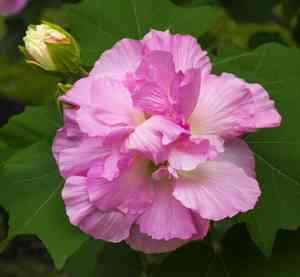
The allure of Confederate rose in garden settings is unmatched due to its distinctive blooming traits. This plant, also known for its striking color shift over a single day, starts its flowering with a delicate white shade that transforms into a deep pink by evening. Such a captivating change keeps garden lovers and guests fascinated and engaged. Its large, abundant flowers and thick foliage make Confederate rose a stunning decorative addition, ideal for creating focal points or enhancing garden edges. Its adaptability to various garden styles, from tropical to cottage gardens, further establishes its versatility and widespread charm.
Seasonal changes in Confederate rose: What to expect throughout the year?
Throughout the year, Confederate rose offers a dynamic element to landscaping. In the warmer months, it bursts into bloom, displaying its full range of floral hues. During spring and summer, you can anticipate a profusion of flowers that attract pollinators like bees and butterflies, enriching your garden's biodiversity. As autumn arrives, the plant continues to provide visual interest with its foliage. Even in the dormant winter months, pruning and careful upkeep of Confederate rose can prepare the ground for an even more spectacular display in the subsequent growing season. Thus, Confederate rose provides year-round appeal, contributing to the garden's beauty across all seasons.
Choosing the Ideal Location for Confederate rose in Your Garden
Factors to consider when selecting a planting spot
Choosing the correct location for Confederate rose is vital for its development and overall garden harmony. Begin by examining your garden's layoutâselecting a spot with good air circulation to prevent fungal issues and encourage robust growth. Soil quality is another crucial factor; Confederate rose thrives in well-draining soil rich in organic matter. Consider the plant's mature size when choosing the spot; it requires ample space to spread without overcrowding. Proximity to other plants and landscape features is also important to maintain a balanced composition and avoid competition for resources.
How sunlight and shading affect the growth of Confederate rose
Sunlight is a key element for the thriving of Confederate rose, which flourishes best in full sun, receiving at least 6-8 hours of direct sunlight daily. However, it can tolerate partial shade, especially in hotter climates, to prevent scorching. The amount of sunlight it receives directly impacts its flowering intensity and health. Insufficient light can lead to fewer blooms and a leggy growth habit, so position Confederate rose strategically to maximize sunlight while considering slight shading during peak summer to prevent stress.
Companion Planting with Confederate rose
What are the best companion plants for Confederate rose and why?
Selecting the right companion plants for Confederate rose can enhance its visual appeal and health. Plants such as lavender, with its contrasting purple tones, create a beautiful backdrop while attracting pollinators. Low-growing ground covers like creeping thyme help suppress weeds and keep the soil moist. Additionally, complementary flowering plants like daylilies and ornamental grasses can highlight Confederate rose's unique color-changing blooms, adding diverse textures and layers to your garden composition.
Design strategies for creating a harmonious plant grouping
Creating a visually harmonious grouping around Confederate rose involves thoughtful design. Begin by positioning taller plants like Confederate rose towards the back or center of the garden bed, with medium-height plants like salvias or asters nearby. Use low-growing plants like hostas or sedums at the front to create a tiered effect, ensuring all plants have sufficient exposure to light and space. Pair Confederate rose with plants that have varying bloom times to ensure continuous color and interest in your garden. Additionally, consider foliage contrast; pairing Confederate rose's broad leaves with finer-textured plants creates a balanced and inviting garden landscape.
Maintaining the Beauty of Confederate rose
Basic maintenance tips for optimal health and aesthetics
Maintaining Confederate rose involves some easy yet crucial practices. Regular watering is essential, especially during dry spells, making sure the soil stays consistently moist but not waterlogged. Mulching around the base helps retain moisture and reduces weed growth. Pruning spent flowers and dead or damaged branches encourages new growth and keeps the plant looking tidy. Fertilize in spring with a balanced, slow-release fertilizer to promote vigorous blooms and foliage. By giving Confederate rose the care it needs, you'll enjoy a healthy and attractive plant in your garden for many years.
Seasonal care strategies to keep Confederate rose flourishing
Seasonal care for Confederate rose ensures it remains a vibrant part of your landscape throughout the year. In spring, focus on pruning and feeding the plant to kickstart new growth. During summer, maintain a consistent watering schedule and provide shade if temperatures soar. Autumn is the time to cut back on watering and prepare the plant for winter. Applying a layer of mulch before the first frost can protect the roots from freezing temperatures. Following these seasonal care tips helps Confederate rose thrive regardless of the time of year.
Creative Ways to Showcase Confederate rose in Your Landscape
Using Confederate rose as a focal point in garden arrangements
Due to its striking flowers and changing colors, Confederate rose makes an excellent focal point in any garden design. Plant Confederate rose in prominent spots such as the center of a circular bed or at the main entrance of your garden to draw attention. Surround it with lower, complementary plants to accentuate its height and beauty. Using Confederate rose as a focal point can anchor your garden's design and create a visually compelling centerpiece that captivates viewers.
Innovative ideas for integrating Confederate rose into outdoor spaces
There are many creative ways to integrate Confederate rose beyond traditional garden beds. For instance, try planting Confederate rose along pathways to guide visitors with its striking colors. Incorporate it into mixed borders or use it to frame outdoor living areas, providing a lush, flowering screen for patios and seating areas. Another innovative idea is to use Confederate rose in large containers, making it possible to move it around different parts of the garden or even bring it closer to the house for a time when itâs in full bloom. Such versatile use of Confederate rose ensures that it can be enjoyed from various angles and settings within your landscape.



