Enhancing Your Garden Design with the Christmas rose Plant: A Landscaping Guide
1
Christmas rose flowers emerge in winter, adding vibrancy to an otherwise inactive garden.
2
Christmas rose flourishes in low-light spots, ideal for forested gardens or planting beneath trees.
3
Christmas rose complements early spring bulbs well, forming a smooth shift from winter to spring.
Introducing Christmas Rose into Garden Design
Overview of Christmas rose's visual appeal in garden settings
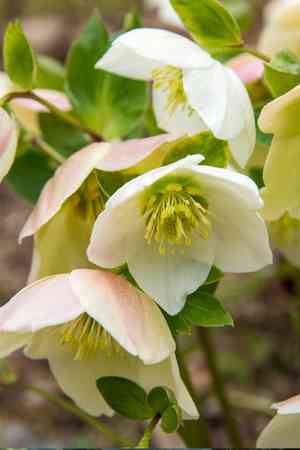
Among numerous garden-enhancing plants, Christmas rose distinguishes itself with its distinct visual charm. Its delicate blossoms, often in white or pink hues, offer a striking contrast against its deep green leaves. This makes Christmas rose an excellent choice for adding visual interest, especially in shaded or partially shaded garden areas. Its robust nature ensures it flourishes even in less-than-ideal conditions, providing both beauty and resilience. Moreover, Christmas rose's enduring flowers can elevate the sophistication of any garden layout, be it traditional or modern.
Boosting seasonal allure with Christmas rose's flowering period
A key attribute of Christmas rose is its capacity to bloom during winter months when most other plants are dormant. Incorporating Christmas rose into your landscape design means you can enjoy bursts of color and beauty during the year's coldest times. These blooms not only offer aesthetic pleasure but also play a vital role in sustaining year-round garden interest, keeping your outdoor space vibrant and engaging. This ability to flower in harsh conditions makes Christmas rose essential for gardeners aiming to extend their garden's seasonal appeal.
The adaptability of Christmas rose in various garden styles
Another remarkable quality of Christmas rose is its versatility, adapting well to a wide array of landscaping styles. Whether you prefer a structured, formal garden or a more relaxed, cottage-like setting, Christmas rose can integrate seamlessly into your design. It pairs effectively with other plants sharing similar growing conditions, facilitating the creation of harmonious groupings. Additionally, Christmas rose's subtle elegance complements both naturalized and meticulously maintained garden spaces, ensuring it can be a focal plant in diverse garden styles. Its adaptability extends to different soil types and light conditions, making it a flexible addition to any landscape.
Strategic Placement of Christmas Rose in Your Garden
Identifying prime planting spots for visual impact
To maximize Christmas rose's visual impact, selecting the best planting locations is crucial. Christmas rose thrives in shaded areas, making it perfect for underplanting beneath trees or along shaded garden paths. Consider planting Christmas rose where its winter blooms will be most visible, such as near entrances or along frequently used walkways. This deliberate placement ensures the charming flowers can be fully appreciated, brightening the darker corners of your garden and creating an inviting atmosphere.
How to combine Christmas rose with other plants for a unified design
Grouping Christmas rose with other compatible plants is a key strategy for achieving a cohesive garden design. Early spring bulbs like snowdrops or crocuses make excellent companions, extending the bloom period and creating a smooth transition from winter to spring. For a balanced look, pair Christmas rose with perennials that have similar growing requirements, such as ferns or hostas. These combinations not only enhance your garden's aesthetic appeal but also ensure your plants thrive in their shared environment. Creating clusters or drifts of Christmas rose can also add a naturalistic feel and improve the overall design.
Utilizing Christmas rose to create focal points in landscape arrangements
Using Christmas rose to establish focal points within your garden can elevate the overall design. Planting Christmas rose in prominent locations, such as at the center of a flower bed or along a main garden path, draws the eye and adds interest. The striking blooms of Christmas rose can serve as a visual anchor, around which other design elements are arranged. Consider using Christmas rose in pots or raised beds for added height and visibility. Incorporating this plant into key areas of your garden not only highlights its beauty but also enhances the structure and flow of your landscape design.
Seasonal Considerations for Christmas Rose in Landscape Planning
The effect of seasonal changes on Christmas rose's garden appearance
Understanding seasonal changes and their influence on Christmas rose is vital for effective landscape planning. During winter, Christmas rose blooms bring much-needed color and interest to the garden. As the weather warms, its foliage provides a lush, green backdrop that complements other seasonal blooms. It's important to plan for the entire year when including Christmas rose in your landscape, ensuring its presence enhances your garden regardless of the season. Be mindful of its growth cycle, allowing for sufficient rest and regrowth periods to maintain its health and vibrancy.
Timing your landscaping efforts to emphasize Christmas rose's peak seasons
To fully leverage Christmas rose's peak blooming periods, timing your landscaping efforts is essential. Plant Christmas rose in the fall, allowing ample time for root establishment before its winter flowering season. Additionally, schedule your garden activities, such as mulching or pruning, to support Christmas rose's growth cycle. By aligning your efforts with the plant's natural rhythm, you can ensure Christmas rose thrives and remains a key feature in your landscape. This careful planning not only highlights its beauty during peak seasons but also contributes to a well-maintained and aesthetically pleasing garden throughout the year.
Complementary Plants and Elements That Enhance Christmas Rose's Beauty
Choosing companions for Christmas rose that flourish in similar conditions
Selecting companion plants that thrive in similar conditions as Christmas rose can amplify its beauty and overall impact in your garden. Plants like primroses, pulmonarias, and ferns share the same preference for shaded areas and can create a lush, unified look when planted together. These plants not only complement Christmas rose visually but also support a healthy growing environment by maintaining similar soil and moisture requirements. By carefully choosing companions that flourish alongside Christmas rose, you can create a harmonious and thriving garden ecosystem.
Design tips for integrating hardscaping features with Christmas rose
Integrating hardscaping elements like pathways, rock gardens, or garden benches with Christmas rose can create a stunning visual effect. Use stone or brick pathways to guide the eye towards focal points planted with Christmas rose, enhancing its presence in the garden. Raised beds or retaining walls can also provide an elevated stage for Christmas rose, making its blooms more prominent. Combining these hardscaping elements with Christmas rose not only highlights its beauty but also adds structure and definition to your landscape design, creating a cohesive and visually appealing garden space.
Color schemes and textural contrasts that complement Christmas rose
To maximize Christmas rose's aesthetic appeal in your garden, consider the color schemes and textural contrasts that will complement it. The dark green foliage and soft white or pink blooms of Christmas rose pair well with plants that have contrasting colors and textures, such as silvery lamb's ears or brightly colored heucheras. Integrate a mix of foliage textures â from the broad leaves of hostas to the feathery fronds of ferns â to create visual interest and depth. Thoughtfully combining these elements ensures that Christmas rose stands out while contributing to a rich, layered landscape.



