Enhancing Your Garden Design with the Gynura divaricata Plant: A Landscaping Guide
1
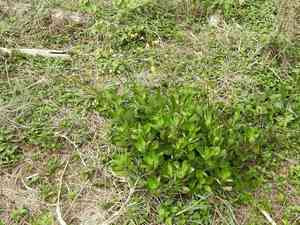
Gynura divaricata provides distinct textures that enhance your garden's aesthetic.
2
Proper positioning of Gynura divaricata necessitates attention to light and substrate conditions.
3
Variations in seasons impact Gynura divaricata, making consistent care crucial.
Introducing Gynura divaricata in Landscaping: A Visual Appeal
Understand the unique textures of Gynura divaricata
A compelling attribute of Gynura divaricata in garden design is its distinct texture. Unlike many plants, Gynura divaricata possesses a unique leaf structure that can add depth and visual interest to your garden. Its foliage displays an intriguing mix of forms and surfaces, complementing smoother, simpler plants. This textural diversity creates layers in your landscape, making it visually dynamic and engaging.
Explore color variations and how they contribute to aesthetics
Gynura divaricata offers not only texture but also vibrant color variations. Depending on the specific cultivar, its leaves can exhibit different hues, ranging from deep greens to purples and even reds. These colors can act as focal points in your garden, providing beautiful contrast with the green of other plants. For instance, the rich tones of Gynura divaricata can highlight and enhance the colors of nearby flowers, making the overall landscape more cohesive and visually appealing.
Integrating Gynura divaricata with other plants for a cohesive look
To achieve a harmonious and balanced garden, integrating Gynura divaricata with other plants is crucial. This plant performs well in mixed borders, where its foliage can fill gaps and blend with other species. Pair Gynura divaricata with compatible plants that share similar light and water requirements to maintain a healthy, thriving landscape. When arranged thoughtfully, Gynura divaricata can unify different elements of your garden design, providing cohesion without overshadowing other plants.
Optimal Placement of Gynura divaricata in Garden Spaces
Choosing ideal locations for sunlight and shade
Selecting the appropriate spot for Gynura divaricata in your garden involves considering its light needs. This plant thrives in areas receiving a moderate amount of sunlight. Ideally, it should be positioned where it gets morning sun and afternoon shade. This balance prevents leaf scorching from intense afternoon rays while still providing sufficient light for photosynthesis. Observe your garden's light patterns and experiment with different placements to find the best location for Gynura divaricata.
Considering soil types suitable for Gynura divaricata
Soil quality is vital for the healthy development of Gynura divaricata. This plant prefers well-drained soil rich in organic matter. Sandy loam or a blend of garden soil and compost can provide the ideal environment. Ensure the soil is neither too compact nor too loose and sandy, as either extreme can negatively impact the plant's health. Regularly test your garden's soil and amend it with organic compost to maintain the correct nutrient balance.
Maximizing impact with strategic placement in landscape designs
Strategic placement of Gynura divaricata in your garden can maximize its visual impact. Utilize Gynura divaricata as a border plant along pathways or garden edges to attract attention. Its textural and color contrasts can also emphasize specific areas, such as flower beds, water features, or outdoor seating spaces. Consider the plantâs mature size when planning; allow it ample space to grow without overshadowing neighboring plants. By thoughtfully positioning Gynura divaricata, you enhance both its aesthetic appeal and functionality in the landscape.
Seasonal Considerations for Gynura divaricata
Best seasons for planting Gynura divaricata for optimal growth
The optimal time to plant Gynura divaricata is during early spring or fall when temperatures are moderate. Planting during these seasons allows Gynura divaricata ample time to establish its root system before enduring the stresses of summer heat or winter cold. In spring, warming soil encourages new growth, while fall planting permits roots to develop in cooler weather, leading to a stronger plant in the subsequent growing season.
Adapting your landscape to changing seasons with Gynura divaricata
Adapt your garden to the changing seasons by incorporating Gynura divaricata in ways that maintain year-round visual interest. In spring and summer, its vibrant colors and textures can be the garden's highlight. As the weather cools, Gynura divaricata's foliage may transform, offering new visual elements. Consider companion plants that also peak in different seasons to ensure your garden remains lively and engaging throughout the year.
Preparing Gynura divaricata for different weather conditions
Preparing Gynura divaricata for varying weather conditions is crucial for its survival and health. During hotter months, ensure it receives sufficient water, and consider mulching to retain soil moisture. In colder climates, protect Gynura divaricata from frost using garden fabric or by moving potted plants indoors. Regularly check for signs of stress, such as leaf discoloration or wilting, and take prompt corrective action. Proper care through seasonal changes helps Gynura divaricata thrive and maintain its appeal all year.
Maintenance Tips for Gynura divaricata in Your Landscape
Basic upkeep routines to maintain the health of Gynura divaricata
Maintaining Gynura divaricata involves a few fundamental routines to ensure its health and vibrancy. Regular watering, especially during dry periods, is essential. Water the plant deeply but infrequently to encourage a robust root system. Fertilize Gynura divaricata monthly during the growing season with a balanced, slow-release fertilizer to provide necessary nutrients. Additionally, monitor for pests and diseases, and take action at the first sign to prevent their spread.
How often to inspect Gynura divaricata for signs of distress
Frequent inspection of Gynura divaricata allows you to detect potential problems early. Check the plant weekly for signs of distress, such as yellowing leaves, spots, or unusual wilting. Pay attention to soil moisture and adjust watering as needed. Early intervention can prevent minor issues from becoming severe, ensuring Gynura divaricata remains a healthy part of your landscape.
Practical tips for pruning and enhancing growth
Pruning Gynura divaricata is vital for maintaining its shape and encouraging new growth. Trim back any dead or damaged leaves to keep the plant looking neat. Regularly pinching back the tips can promote bushier growth, enhancing its fullness. Late winter or early spring is an ideal time for more significant pruning, as it prepares the plant for vigorous growth in spring. Using clean and sharp tools will help prevent the spread of diseases during pruning.



