Enhancing Your Garden Design with the Salal Plant: A Landscaping Guide
1
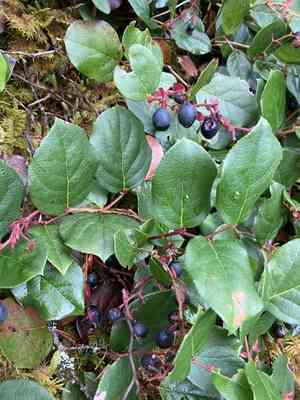
Salal maintains its appeal throughout the year as an evergreen species.
2
Salal offers flexibility, suitable for both ground cover and upright garden designs.
3
For best development and vitality, cultivate Salal in soil that drains effectively.
Exploring Salal's Adaptability in Garden Design
Salal's inherent visual appeal
A key characteristic of Salal is its aesthetic charm, which integrates effortlessly with diverse garden styles. Its rich, dark green foliage and clusters of bell-shaped blooms lend grace and allure to any outdoor space. Whether you prefer a sleek, modern look or a more rustic, natural garden, Salal fits in beautifully. Its beauty isn't just visual; it fosters a tranquil, calming atmosphere.
Optimal climates for Salal cultivation
Salal flourishes in mild climates, especially those with gentle, wet winters and arid summers. It naturally occurs in coastal regions but can adapt to various conditions. When planning your garden, consider Salal if your area has similar weather patterns. It's a robust plant that tolerates diverse weather, making it an excellent choice for gardeners seeking low-maintenance yet attractive options.
Salal's continuous garden presence
Another notable attribute of Salal is its evergreen nature, ensuring your garden stays vibrant and lively throughout the year. While many plants shed leaves or die back in winter, Salal keeps its lush foliage, offering constant interest and beauty. This year-round appeal makes it a dependable foundational plant for many garden designs, guaranteeing that even the coldest winters won't diminish your garden's splendor.
Integrating Salal into Diverse Landscape Schemes
Utilizing Salal as a groundcover
Salal is highly effective as a groundcover due to its thick foliage, spreading to form a lush, green carpet that suppresses weeds and maintains soil moisture. It's particularly useful on slopes or in areas prone to soil erosion. The plant's ability to create dense mats helps stabilize the soil, reducing runoff and fostering a healthier garden ecosystem.
Enhancing vertical elements with Salal
Salal's adaptable growth habit also makes it suitable for vertical landscaping. Whether you're working with a retaining wall, trellis, or even a pergola, this plant can adjust and thrive. Its trailing stems and appealing foliage can soften harsh structural lines, bringing natural beauty to vertical surfaces. Consider pairing it with climbing vines or other cascading plants for a multi-dimensional effect.
Pairing Salal with other plant species
Salal complements a variety of other plants, boosting the overall biodiversity and aesthetics of your garden. Its dark green leaves provide an ideal backdrop for colorful flowering plants, such as perennials and annuals. Additionally, it works well with other evergreen shrubs to create a layered, textured appearance. When designing your garden, consider combining Salal with plants that have complementary growth habits and colors.
Practical Advice for Planting and Caring for Salal
Optimal planting methods for robust growth
To ensure Salal thrives in your garden, begin by selecting a site with well-draining soil and partial to full shade, though it can endure some sun. Prepare the soil by incorporating organic compost to boost nutrient levels. When planting, dig a hole twice the width of the root ball but not deeper, and space plants about 2-3 feet apart for ample growth. Water thoroughly after planting to aid in root establishment.
Seasonal maintenance recommendations
Consistent watering is vital during the initial year, especially in dry spells. Applying mulch around the base can help retain moisture and deter weeds. Prune Salal in late winter or early spring to remove any dead or damaged branches and to shape the plant. Fertilizing is typically not required, but occasional feeding with a balanced organic fertilizer can encourage healthy growth.
Common issues and their resolutions
While Salal is relatively easy to cultivate, it can encounter challenges like root rot in poorly draining soils or pest problems such as aphids. To prevent root rot, ensure the planting area has good drainage. For pest control, inspect plants regularly and use insecticidal soap or neem oil if infestations occur. Remember, healthy plants are less susceptible to diseases and pests, so proper care is crucial.
The Ecological Advantages of Incorporating Salal into Your Landscape
Contribution to local ecological diversity
Salal plays a crucial role in supporting local biodiversity. Its blossoms attract pollinators like bees and butterflies, while its berries serve as a food source for birds and other wildlife. By including Salal in your garden, you're creating a miniature ecosystem that helps sustain various species.
Natural pest management
The dense foliage of Salal can act as a natural deterrent for pests. This plant provides a habitat for beneficial insects that prey on common garden pests, reducing the need for chemical pesticides. By planting Salal, you're fostering a balanced ecosystem that promotes plant health naturally.
Enhancing air and soil quality
Salal positively impacts air and soil quality. Its thick canopy offers shade, which helps cool the soil and decrease evaporation. The plant's root system stabilizes the soil, preventing erosion and promoting water retention. Additionally, Salal absorbs carbon dioxide and releases oxygen, contributing to cleaner air around your home.



