Enhancing Your Garden Design with the Dwarf morning glory Plant: A Landscaping Guide
1
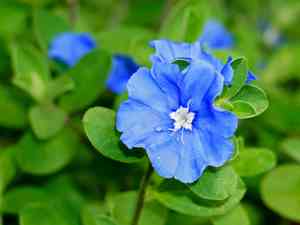
Dwarf morning glory flourishes in soil that drains effectively and receives ample sunlight, making it a superb option for diverse outdoor settings.
2
Consistent irrigation encourages robust development, yet excessive watering may cause root decay.
3
Dwarf morning glory has the ability to draw in pollinators, enhancing both the aesthetic appeal and ecological variety of your garden.
Exploring the Function of Dwarf Morning Glory in Landscape Design
Why opt for Dwarf Morning Glory in your garden?
Selecting Dwarf Morning Glory for your garden offers numerous advantages, including its vivid, captivating blossoms that can introduce a burst of color to any outdoor space. This resilient plant adapts well to diverse soil types and demands minimal upkeep compared to other decorative flora. Furthermore, Dwarf Morning Glory is recognized for its capacity to flourish in hot, sunny conditions, making it an appropriate selection for gardens in warmer regions.
Aesthetic advantages of Dwarf Morning Glory in landscape planning
Dwarf Morning Glory presents a multitude of visual benefits that can elevate the aesthetic appeal of your garden. Its small, bright blooms beautifully contrast with its green leaves, creating a striking visual display. This plant functions effectively as a ground cover, filling in bare areas and providing a lush, verdant backdrop. Moreover, Dwarf Morning Glory can be utilized to soften the edges of garden pathways or to add texture and color to rock gardens.
Optimal climate and environment for Dwarf Morning Glory
Dwarf Morning Glory thrives best in warm climates with abundant sunlight. It prefers well-drained soil and can endure periods of drought once established, making it an excellent choice for xeriscaping. However, it is susceptible to frost, so it is crucial to ensure it is planted in locations that do not experience extreme cold. If you reside in a cooler climate, consider cultivating Dwarf Morning Glory in containers that can be moved indoors during winter months.
Design Concepts Utilizing Dwarf Morning Glory
Establishing focal points with Dwarf Morning Glory
Establishing focal points in your garden using Dwarf Morning Glory can draw attention to specific zones and enhance the overall layout. Consider planting Dwarf Morning Glory around a central element such as a birdbath or garden sculpture. The vibrant flowers will attract the eye, making the focal point stand out even more. Another approach is to use Dwarf Morning Glory to border garden beds or paths, guiding the observer's gaze along the intended route.
Companion plants that complement Dwarf Morning Glory
Regarding companion planting, Dwarf Morning Glory pairs well with various plants that flourish in similar conditions. Consider combining it with ornamental grasses, which offer a contrasting texture to the delicate flowers of Dwarf Morning Glory. Succulents and cacti can also complement Dwarf Morning Glory by adding an intriguing visual dynamic. Additionally, plants like lavender or sage, which favor dry, sunny environments, can be excellent companions, providing a harmonious blend of colors and fragrances.
Integrating Dwarf Morning Glory in small versus large areas
Whether you possess a compact urban garden or an expansive backyard, Dwarf Morning Glory can be effectively incorporated into any landscape size. In small gardens, employ Dwarf Morning Glory as an edging plant or in pots to introduce a burst of color to patios and balconies. For larger landscapes, create sweeping drifts of Dwarf Morning Glory for a bold presentation or use it as a ground cover to unify different garden sections. Its adaptability and compact growth habit make it a versatile option for any space.
Care Guidelines for Healthy Dwarf Morning Glory Plants
Properly watering and nourishing Dwarf Morning Glory
To maintain the health of your Dwarf Morning Glory plants, it's essential to water them sufficiently, especially during dry spells. However, be careful not to over-water, as this can lead to root rot. A good guideline is to water deeply once a week, allowing the soil to dry out slightly between waterings. Fertilize the plants with a balanced, slow-release fertilizer in the spring to encourage robust growth and vibrant blooms.
Managing pests and diseases common to Dwarf Morning Glory
While Dwarf Morning Glory is generally a resilient plant, it can occasionally fall victim to pests like aphids or spider mites. Regularly inspect your plants for signs of infestation and treat them promptly with insecticidal soap or neem oil. Additionally, keeping the garden area clean and free of debris can help prevent the spread of diseases. If fungal issues arise, ensure good air circulation around the plants and consider applying a fungicide.
Seasonal care adjustments for Dwarf Morning Glory
Seasonal care is crucial for maintaining the health of Dwarf Morning Glory. During the growing season, ensure regular watering and monthly feeding with a balanced fertilizer. In fall, reduce watering as the plant enters dormancy. For areas with frost, consider mulching around the base to protect the roots. In spring, prune back any dead or damaged growth to encourage new shoots and maintain the plant's shape.
Sustainable Landscaping with Dwarf Morning Glory
Advantages of using Dwarf Morning Glory for environmentally friendly gardening
Incorporating Dwarf Morning Glory into your garden can significantly contribute to eco-friendly gardening practices. This drought-tolerant plant reduces the need for frequent watering, conserving water resources. Its ability to thrive in poor soil conditions means there is less reliance on chemical fertilizers, promoting a healthier ecosystem. By choosing Dwarf Morning Glory, gardeners can create beautiful landscapes while being mindful of environmental sustainability.
How Dwarf Morning Glory supports local wildlife
Dwarf Morning Glory is not just a treat for the eyes; it also supports local wildlife. The delicate flowers attract pollinators such as bees and butterflies, essential for maintaining biodiversity. Additionally, the dense foliage provides habitat and shelter for small insects and other beneficial garden creatures. By planting Dwarf Morning Glory, you can help create a thriving micro-ecosystem right in your backyard.
Conservation advice while cultivating Dwarf Morning Glory
To cultivate Dwarf Morning Glory sustainably, consider implementing water-saving techniques such as mulching to retain soil moisture and decrease watering frequency. Opt for organic fertilizers and pest control methods to minimize chemical usage. Furthermore, propagating plants from cuttings instead of purchasing new ones can reduce your gardening footprint. These conservation efforts not only benefit the environment but also ensure your Dwarf Morning Glory plants remain healthy and vibrant.



