Enhancing Your Garden Design with the African milk tree Plant: A Landscaping Guide
1
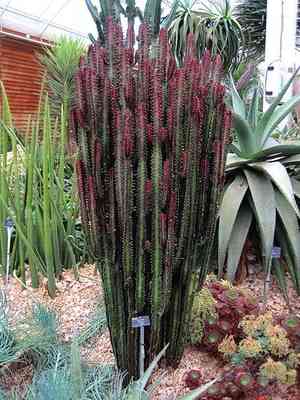
The African milk tree contributes striking form and distinct feel, enhancing your garden's aesthetic.
2
Evaluate the light and shadow equilibrium for the best development and look of the African milk tree.
3
Combine the African milk tree with appropriate neighboring plants to amplify its visual effect.
Understanding the Role of African milk tree in Landscaping
What makes African milk tree unique in landscape settings?
With its distinct columnar shape and striking green hue, African milk tree stands out as a unique addition to any landscape. Not only does it offer a modern, architectural aesthetic, but it also requires minimal maintenance, making it ideal for busy gardeners or those new to plant care. Its natural resilience to harsh conditions further adds to its appeal, allowing it to thrive where other plants might struggle.
The visual impact of African milk tree's structural form
The structural form of African milk tree is one of its most notable features. Its vertical growth pattern and multi-stemmed structure provide a dramatic and eye-catching focal point. This plant's upright nature can add height and depth to your garden design, breaking up horizontal lines and creating a dynamic visual composition. This form is especially effective when contrasted with lower, bushier plants or in open spaces where it can stand alone.
Incorporating African milk tree into Different Landscape Styles
Complementing modern and minimalist gardens
African milk tree is particularly well-suited to modern and minimalist garden designs. Its clean lines and simplified form harmonize beautifully with the sleek, uncluttered aesthetics of contemporary landscaping. To enhance this effect, pair African milk tree with materials such as polished concrete, gravel pathways, and minimalist garden sculptures. The contrast between the plant's organic growth and the stark, clean lines of modern design elements creates a stunning, balanced composition.
Enhancing traditional or tropical themed gardens
While African milk tree fits seamlessly into modern designs, it also adds an exotic element to traditional or tropical garden themes. Its lush, green stems can evoke a sense of lush, tropical wilderness, especially when surrounded by large-leaved plants and vibrant flowers. To maximize this effect, consider planting African milk tree alongside palms, ferns, and other tropical species. This creates a layered, jungle-like atmosphere that feels both natural and enchanting.
Practical Tips for Positioning African milk tree in Your Garden
Choosing the right location for growth and aesthetics
To ensure African milk tree thrives and looks its best, itâs essential to choose the right location. Position it where it can get ample sunlight, which is vital for its growth. However, be mindful of extreme conditions â while African milk tree is hardy, it will benefit from some protection against harsh winds or scorching heat. When considering aesthetics, think about its role as a focal point; placing African milk tree at key visual points can direct attention and enhance the overall design of your garden.
Balancing sunlight and shade for optimal display
African milk tree prefers bright, indirect sunlight but can also adapt to lower light conditions. To strike the right balance, place it where it receives a few hours of direct morning or late afternoon sun, avoiding the harsh midday rays which can be too intense. If your garden has more shaded areas, donât worry â African milk tree can adapt, although its growth may be slower. By adjusting its position as needed, you can ensure it remains a vibrant and eye-catching element of your garden.
Companion Plants and Design Ideas Featuring African milk tree
Selecting companion plants that enhance African milk tree's appearance
Choosing the right companion plants is key to highlighting African milk tree's unique form. Opt for plants with contrasting shapes and colors â consider low-growing ground covers, airy grasses, or plants with round, bushy forms. Such combinations will emphasize African milk tree's tall, upright structure. Additionally, succulents or cacti are excellent companions, as they share similar care requirements, making your garden both beautiful and easy to maintain.
Creative layout ideas for impactful scenery
For a truly impactful garden design, consider creating clusters of African milk tree interspersed with other structural plants. Grouping them can reinforce their bold lines and create a repetitive visual element that adds rhythm to your garden layout. Alternatively, use African milk tree as a single, dramatic focal point in a minimalist setting or as a backdrop to highlight other colorful plants. Thinking creatively about plant arrangement will ensure that African milk tree enhances your garden's visual appeal.
Maintaining African milk tree in Landscape Settings (General Tips)
General maintenance tips to keep African milk tree thriving
Maintaining African milk tree is straightforward, making it a perfect choice for both beginners and experienced gardeners. Water it moderately when the soil feels dry, and use well-draining soil to prevent root rot. Occasionally prune any damaged or leggy stems to encourage healthier growth. Fertilize sparingly â about once a year with a balanced, slow-release fertilizer â to keep it vibrant and robust.
Addressing common challenges in landscaping with African milk tree
While African milk tree is resilient, it's not immune to challenges. Overwatering is a common issue, so always let the soil dry out between waterings. Pest issues are rare but can include mealybugs or scale; remove these with a gentle insecticidal soap. If African milk tree becomes top-heavy, support stakes can help maintain its upright growth. By understanding and addressing these challenges, you can ensure African milk tree continues to enhance your landscape beautifully.



