Enhancing Your Garden Design with the Pascuita Plant: A Landscaping Guide
1
Pascuita flourishes in bright areas with soil that drains effectively.
2
Integrating Pascuita with other suitable plants improves your garden's aesthetic.
3
Consistent trimming is crucial for preserving Pascuita's form and attractiveness.
Introducing Pascuita in Landscape Design
Understanding Pascuita's Growth Habits and Seasonality
Initially, Pascuita presents distinct growth patterns that can significantly improve your garden's visual appeal. This plant typically blossoms during cooler periods, offering a refreshing contrast to many common garden varieties that bloom in warmer months. Knowing Pascuita's seasonal cycle helps in efficient garden planning, ensuring a continuous display of vibrant hues throughout the year. Furthermore, Pascuita tends to grow in a manner that is both compact and spreading, making it an excellent option for various landscaping layouts. Its growth characteristics allow for diverse placements and pairings to achieve the most aesthetically pleasing garden configuration.
Visual Impact of Pascuita in Various Garden Styles
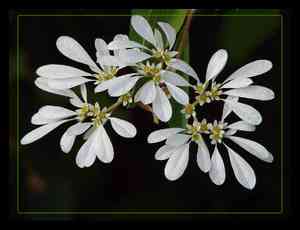
The charm of Pascuita lies in its adaptability, making it suitable for a wide array of garden aesthetics. Whether you possess a cottage garden brimming with a mix of blooms or a sleek, contemporary arrangement, Pascuita integrates seamlessly into diverse styles. Its white, star-shaped blossoms introduce an element of purity and sophistication, creating a striking centerpiece in any garden. Moreover, Pascuita's rich green foliage offers a beautiful backdrop for other plants, enhancing the overall visual balance of your garden design. By integrating Pascuita into your garden, you achieve a well-balanced and visually appealing landscape.
Pairing Pascuita with Complementary Plants
Strategically combining Pascuita with complementary plants is an effective way to maximize its aesthetic potential. Consider plants that offer contrasting colors and textures, such as brightly flowering species or lush green shrubs. This pairing not only accentuates Pascuita's natural beauty but also adds depth and variety to your garden. Additionally, select plants that thrive under similar conditions to ensure a flourishing and harmonious garden ecosystem. For instance, pairing Pascuita with drought-tolerant plants can create a low-maintenance and visually stunning garden space. By thoughtfully combining Pascuita with other plants, you create a cohesive and stunning garden display.
Designing with Pascuita: Strategic Placement
Ideal Locations for Pascuita to Thrive and Flourish
When planning your garden with Pascuita, it's essential to select locations where it can prosper. Pascuita prefers sunny spots with well-draining soil, making it suitable for various garden settings, including borders, containers, and even as a solitary specimen plant. Ensure the chosen site receives ample sunlight and has good soil drainage to encourage healthy growth and abundant flowering. Additionally, Pascuita can tolerate light shade, making it a versatile choice for different areas of your garden. Placing Pascuita in the correct location establishes the foundation for a beautiful and thriving garden.
Highlighting Key Features of Pascuita through Placement
Placement plays a crucial role in emphasizing Pascuita's key attributes. Consider positioning Pascuita where its distinctive white flowers can stand out, such as at the front of garden beds or alongside pathways. Strategically placing Pascuita in highly visible areas ensures its beauty is showcased and appreciated by all who visit your garden. Furthermore, Pascuita's compact growth habit makes it an excellent option for creating low hedges or borders, adding structure and definition to your garden spaces. By thoughtfully placing Pascuita, you enhance its visual impact and contribute to the overall design of your garden.
Seasonal Considerations for Pascuita's Placement
Seasonal factors are important when positioning Pascuita in your garden. Given that Pascuita blooms during cooler seasons, consider placing it where it can provide color and vibrancy to a winter landscape. This placement ensures your garden remains attractive even during less colorful seasons. Additionally, Pascuita's foliage can add texture and interest during other seasons, making it a valuable year-round addition to your garden. Keep in mind the seasonal changes and choose locations that allow Pascuita to shine, ensuring a garden that is always visually dynamic and engaging.
Maintaining Pascuita for Lasting Beauty
Basic Upkeep Tips for Pascuita in Landscapes
Maintaining Pascuita involves a few fundamental care tips to ensure it remains healthy and attractive. Consistent watering is vital, especially during dry periods, to keep the soil uniformly moist but not waterlogged. Applying a balanced fertilizer during the growing season promotes robust growth and prolific flowering. Mulching around Pascuita's base helps retain soil moisture and suppress weed growth. Additionally, ensure the plant receives sufficient sunlight and is protected from extreme weather conditions. Following these simple upkeep tips ensures Pascuita continues to enhance your garden's aesthetics year after year.
Protecting Pascuita from Common Pests and Diseases
Safeguarding Pascuita from common pests and diseases is essential for preserving its enduring beauty. Pascuita can be vulnerable to pests like aphids and mealybugs, which can be managed with insecticidal soap or neem oil. Regularly inspect the plant for any signs of pest infestation and take prompt action to prevent damage. Additionally, ensure adequate air circulation around Pascuita to reduce the risk of fungal diseases. If you observe any signs of disease, promptly remove affected parts and apply appropriate treatments. By remaining vigilant and proactive, you can keep Pascuita healthy and free from pests and diseases.
Pruning Techniques to Enhance Pascuita's Appearance
Pruning is a significant aspect of maintaining Pascuita and improving its appearance. Regular pruning helps shape the plant, encourage healthy growth, and promote more abundant flowering. Prune Pascuita after the blooming season to remove spent flowers and maintain a neat and tidy look. Additionally, thinning out any crowded or damaged branches allows for better air circulation and reduces the risk of disease. By practicing proper pruning techniques, you ensure Pascuita remains a focal point in your garden, contributing to its overall beauty and charm.
Creative Applications of Pascuita in Modern Landscaping
Innovative Ways to Incorporate Pascuita in Garden Design
There are numerous inventive ways to integrate Pascuita into your garden design, making it a prominent feature. Consider creating a themed garden bed where Pascuita is the primary attraction, surrounded by complementary plants that highlight its beauty. Another creative application is to use Pascuita in container gardening, where it can be easily moved and positioned to suit your garden's evolving needs. You can also experiment with using Pascuita as a living border or hedge, adding structure and definition to your garden spaces. By exploring different design ideas, you can create a unique and visually appealing garden with Pascuita as the star.
Using Pascuita as a Focal Point in Minimalist Gardens
Pascuita can serve as a captivating centerpiece in minimalist garden designs. Its striking white flowers and lush green foliage create a clean and elegant look that complements minimalist aesthetics. Consider planting Pascuita in a prominent location where its beauty can be fully appreciated, such as at the center of a garden bed or along a pathway. In minimalist gardens, less is more, and Pascuita can provide just the right amount of visual interest and sophistication. By using Pascuita as a focal point, you achieve a harmonious and stylish garden design that exudes tranquility and grace.
Sustainable Gardening with Pascuita: Benefits to Local Ecosystems
Incorporating Pascuita into your garden not only enhances its beauty but also contributes to sustainable gardening practices. Pascuita supports local ecosystems by providing habitat and food for beneficial insects, such as pollinators like bees and butterflies. Additionally, Pascuita is a relatively low-maintenance plant that requires minimal water and fertilizers, making it an eco-friendly choice for your garden. By choosing Pascuita for your landscaping, you promote biodiversity and help create a healthier environment. Sustainable gardening with Pascuita benefits both your garden and the wider ecosystem, making it a responsible and rewarding choice.



