Enhancing Your Garden Design with the Centipede tongavine Plant: A Landscaping Guide
1
The Centipede tongavine adapts well to various settings, thriving both inside and outside.
2
This plant offers both decorative charm and functional utility in landscape design.
3
Caring for Centipede tongavine is simple, making it a great choice for gardeners of any experience level.
Introducing Centipede tongavine in Garden Design
Overview of Centipede tongavine's functions and advantages in a garden setting
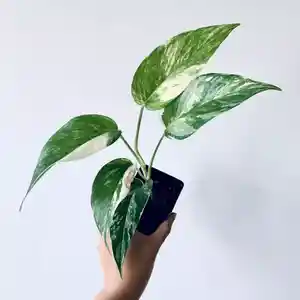
When thinking about adding Centipede tongavine to your garden, it's key to grasp its various roles and benefits. Known for its rich, green leaves and ability to flourish in diverse conditions, Centipede tongavine can bring natural beauty to any garden. It acts as a flexible plant that can fill empty areas, create focal points, or add greenery to shaded spots. Furthermore, Centipede tongavine is recognized for its air-purifying qualities, making it not just visually appealing but also contributing to healthier garden environments.
Common applications of Centipede tongavine in home and business environments
In home gardens, Centipede tongavine is frequently used to enhance indoor spaces, patio areas, and garden corners. It can be effectively utilized in hanging containers, climbing supports, or as ground cover. In commercial settings, this plant is favored for office spaces, reception areas, and landscaped zones around buildings due to its low maintenance and attractive appearance. Its adaptability means Centipede tongavine can suit various design needs, making it a popular choice for both residential and commercial uses.
Initial considerations before incorporating Centipede tongavine into your landscape
Before planting Centipede tongavine, assess its growth patterns and environmental preferences. This plant thrives in well-draining soil and prefers indirect sunlight, though it can endure a range of light conditions. Also, account for its mature size and growth rate to ensure it fits well within your planned area. Understanding these aspects will help you integrate Centipede tongavine successfully into your landscape, providing lasting beauty and minimal upkeep.
Design Concepts: Optimizing Centipede tongavine Placement for Impact
Innovative placement ideas to boost visual appeal
Strategically placing Centipede tongavine in your garden can significantly enhance its aesthetic charm. Consider positioning it where its trailing stems can drape, such as over garden walls, in suspended baskets, or around trellises. Leveraging its natural tendency to climb and spread can create a lush, green backdrop that adds depth and intrigue to your garden layout. Experiment with varying heights and positions to discover what best suits your space.
Combining Centipede tongavine with other plants for appealing contrast
Pairing Centipede tongavine with other plant species can produce a visually striking contrast. Its vibrant green leaves complement flowering plants, colorful foliage, or plants with different textures beautifully. For instance, placing Centipede tongavine next to brightly colored blooms can emphasize its lush greenery, boosting the overall visual appeal. Consider using it alongside variegated or silver-leafed plants for a refined and balanced look.
Tips for utilizing Centipede tongavine as a natural privacy screen or boundary
Centipede tongavine can also serve a practical role in your garden as a natural privacy screen or border. Its dense foliage makes it an excellent option for obscuring unattractive views or creating secluded garden zones. You can train Centipede tongavine to grow along fences, lattice panels, or pergolas to form a green, leafy barrier. This not only adds privacy but also brings a sense of tranquility and lushness to your garden landscape.
Care Guidelines: Ensuring Centipede tongavine Thrives in Your Garden
Fundamental upkeep methods for robust growth
Caring for Centipede tongavine involves a few straightforward methods to guarantee its health and longevity. Consistent watering, especially during dry spells, is crucial, but be careful not to overwater as this can lead to root rot. Fertilizing monthly during the active growing season with a balanced, water-soluble fertilizer will keep the plant strong. Additionally, regular pruning helps manage its growth and maintains a neat appearance.
Seasonal care adjustments for Centipede tongavine
Modifying your care routine for Centipede tongavine according to the seasons can help it flourish throughout the year. During warmer months, increase watering frequency and check for pest activity. In cooler seasons, reduce watering and relocate the plant to a more sheltered spot if possible. These adjustments will help Centipede tongavine stay healthy and vibrant all year long, regardless of the season.
Common issues and simple remedies in Centipede tongavine care
Like any plant, Centipede tongavine can encounter certain difficulties, but they are usually easy to resolve. Frequent problems include yellowing leaves, often indicating overwatering, and leggy growth, suggesting insufficient light. Ensuring adequate light exposure and adjusting your watering schedule can fix most issues. Furthermore, watching for pests like spider mites and treating them promptly with a mild insecticidal soap can help keep your plant healthy.
How Centipede tongavine Enhances Various Landscape Styles
Integrating Centipede tongavine with tropical themes
Centipede tongavine naturally complements tropical-themed landscapes due to its abundant, green foliage and vigorous growth. It pairs well with other tropical plants such as palms, ferns, and flowering vines, creating a lush, exotic atmosphere. Using Centipede tongavine in large containers or allowing it to climb tree trunks and garden structures can amplify the tropical feel, making your garden resemble a miniature rainforest.
Adapting Centipede tongavine in minimalist landscape designs
In minimalist gardens, Centipede tongavine can be used to add a touch of green without overwhelming the space. Its clean, simple lines harmonize well with modern garden elements like smooth concrete, glass, and metal. Using Centipede tongavine in a controlled manner, such as in sleek, minimalist planters or as a single climbing specimen, can provide a subtle yet striking visual appeal to a minimalist landscape.
Utilizing Centipede tongavine in eclectic garden styles for visual interest
An eclectic garden style, which blends diverse design elements, can greatly benefit from the inclusion of Centipede tongavine. Its adaptable nature allows it to seamlessly integrate with a mix of textures, colors, and structures. Whether growing over a whimsical garden arch, cascading from colorful pots, or intertwined with a variety of plants, Centipede tongavine adds layers of visual interest and unifies different elements into a cohesive whole.



