Enhancing Your Garden Design with the Cardamom Plant: A Landscaping Guide
1
Cardamom flourishes optimally in areas with partial to complete shade, making it well-suited for tropical and subtropical garden environments.
2
Consistent watering is crucial for Cardamom's best development, particularly during warm and arid periods.
3
Adding Cardamom to your garden can contribute to a vibrant, foreign ambiance.
Appreciating Cardamom's Visual Charm
Explore Cardamom's distinct visual characteristics
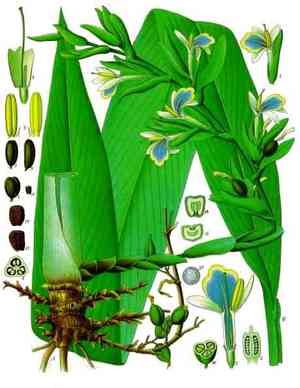
Cardamom is celebrated for its shiny, deep green leaves, which bring a touch of richness to any outdoor space. The plant sends up graceful, vertical stalks, topped with long, slender leaves that sway gently in the breeze. During its flowering period, Cardamom produces small, yet vibrant blossoms that are pleasing to the eye. The contrasting hues of its flowers and foliage can create a lively visual appeal in your garden.
Contrast Cardamom's foliage and flowers with typical garden plants
Unlike many common garden flora, Cardamom offers a unique blend of abundant greenery and delicate blooms. While most garden plants excel in either leaves or flowers, Cardamom manages both. For instance, its foliage is denser and more vivid than many other standard border plants, and its blossoms provide a subtle yet exotic touch that few other plants can rival.
Examples of garden styles where Cardamom fits perfectly
Cardamom is an excellent addition to tropical and subtropical garden designs due to its preference for humid and warm environments. It also integrates well into exotic or zen garden arrangements, where its lush foliage can contribute to a peaceful ambiance. In Mediterranean garden aesthetics, Cardamom can complement tiled structures and water features, adding a touch of sophistication and elegance.
Optimal Placement of Cardamom in Your Garden
Determining the ideal spot for Cardamom based on sun exposure
Cardamom flourishes best in areas with partial to full shade. It prefers a location in your garden where it receives filtered sunlight, as direct, intense sun can scorch its leaves. Perfect spots include under taller trees, beside walls, or on the shaded side of your home, ensuring it gets ample indirect light.
How to arrange Cardamom with other plants for a cohesive design
For a harmonious garden layout, pair Cardamom with other plants that have similar light and moisture requirements. Ferns, hostas, and other shade-loving plants make excellent companions. Placement should consider each plant's height and spread to prevent overcrowding. By layering plants of varying heights, you can create a tiered effect that enhances your garden's visual depth.
Tips for creating focal points with Cardamom in the landscape
To create a striking focal point, plant Cardamom in groupings or as a singular prominent feature among ground covers. Its bold foliage and unique flowers make it captivating when planted in corners of larger flower beds or around garden structures like pergolas. Using Cardamom as a backdrop for shorter plants can also draw attention to its elegant leaves and flowers.
Integrating Cardamom with Other Garden Elements
Ways to incorporate Cardamom in pathways, borders, and ground covers
Cardamom can be successfully integrated along garden paths, where its slender stems and vibrant foliage can define the path, creating a lush edge. When using Cardamom in borders, mix it with low-growing ground covers for a natural blend. Integrating it into mixed garden beds also allows its height to add structure while providing a beautiful background for smaller plants.
Utilizing Cardamom in vertical gardening structures like trellises
While Cardamom itself may not climb, it beautifully complements vertical gardening structures such as trellises. Use it as a foundational plant at the base of a trellis where vines or climbing plants grow. The combination of climbing plants with Cardamom's upright elegance creates a lush vertical layer, enhancing the visual interest of your garden walls or fences.
Combining Cardamom with water features for added aesthetic value
Placing Cardamom near water features like ponds, fountains, or artificial streams can elevate your landscape's appeal. Its need for consistent moisture aligns well with the damp environment provided by water features. The glossy leaves reflect sunlight, enhancing the calming and refreshing vibe water features bring, creating a tranquil garden oasis.
Seasonal Considerations and Maintenance Tips for Cardamom
Seasonal flowering and growth patterns of Cardamom
Understanding Cardamom's seasonal growth and blooming cycles is vital for maintaining its beauty throughout the year. Cardamom typically grows actively during warmer periods and flowers from late summer to early autumn. Its blossoms and foliage may vary slightly with the seasons, offering different visual charms year-round.
Basic care advice to keep Cardamom thriving
To keep Cardamom flourishing, ensure it receives consistent moisture, especially during dry spells. Mulch can help retain soil moisture and suppress weeds. Regularly remove dead or yellowing leaves to encourage healthy new growth. Fertilizing Cardamom with a balanced, slow-release feed during its growing season can also promote lush foliage and vibrant blooms.
Preparing Cardamom for various weather conditions
Prepare Cardamom for changing weather conditions by adjusting its care routine accordingly. During colder months, protect it from frost by covering plants or moving potted specimens indoors. In extremely hot weather, increase watering frequency and provide additional shade if necessary. Proper seasonal care will ensure Cardamom remains resilient and continues to enhance your garden's aesthetics.



