Enhancing Your Garden Design with the Isu tree Plant: A Landscaping Guide
1
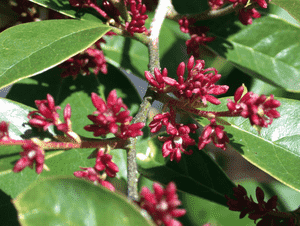
The Isu tree offers continuous aesthetic appeal due to its persistent green leaves.
2
Cultivating the Isu tree supports the regional environment by offering refuge and sustenance to animals.
3
A properly cared-for Isu tree flourishes across diverse soil types and weather patterns.
Grasping the Importance of Isu Tree in Outdoor Design
The visual appeal of Isu tree
Regarding enhancing your outdoor space's beauty, the Isu tree offers considerable aesthetic value. Its rich, evergreen foliage provides a striking backdrop year-round, making it an ideal addition for any garden or yard. The tree's graceful branching and refined leaf texture add sophistication and calm to exterior areas. Whether planted as a solitary focal point or part of a shrub border, the Isu tree stands out for its enduring charm and design adaptability.
Ecological advantages linked to planting Isu tree
Cultivating the Isu tree brings significant environmental benefits. This species functions as an excellent carbon sink, absorbing carbon dioxide and releasing oxygen, thereby enhancing air quality. Furthermore, the Isu tree plays a crucial role in supporting local biodiversity. By offering shelter and sustenance for various insects and wildlife, it aids in maintaining a balanced ecosystem. Its dense foliage and extensive root systems also assist in soil stabilization, preventing erosion and fostering a healthy soil environment.
Hardiness and adaptability across various climates
A prominent characteristic of the Isu tree is its resilience and versatility. This tree can flourish in numerous climatic conditions, from temperate to subtropical zones. Its robustness makes it an excellent choice for regions prone to fluctuating weather patterns. Moreover, the Isu tree can endure periods of drought once established, reducing the need for frequent watering. Its adaptability extends to soil types; the Isu tree can grow in a range of soil conditions, including clay, loam, and sandy soils, making it a flexible option for diverse landscapes.
Integrating Isu Tree into Your Outdoor Space
Optimal placement for maximum effect
To maximize the visual and practical impact of the Isu tree in your landscape, strategic positioning is essential. Consider planting the Isu tree in areas where it can serve as a natural privacy screen, windbreak, or central feature. Placing it near patios, pathways, or entrances can boost the aesthetic appeal of these spots. When used in clusters or mixed borders, the Isu tree can create a layered appearance that adds depth and dimension to the landscape. Ensure ample space for the tree to reach its full size without crowding other plants.
Complementary plants that enhance Isu tree
Selecting appropriate companion plants can further improve the beauty and vitality of the Isu tree in your garden. Choose plants that thrive in similar conditions and possess complementary growth habits. Understory plants like hostas, ferns, and shade-tolerant perennials can form a harmonious blend with the Isu tree, adding variety to the landscape. Additionally, consider flowering shrubs and ground covers that bloom at different times of the year to ensure continuous visual interest. It's vital to pick companions that do not aggressively compete for nutrients and water.
Seasonal considerations for planting and development
Understanding the seasonal requirements of the Isu tree will help you maintain its health and vigor. Ideally, the best time to plant the Isu tree is during the cooler months of autumn or early spring, allowing the tree to establish its root system before the stress of summer heat. During the active growth period, ensure the Isu tree receives sufficient watering, especially in the initial years after planting. Mulching around the tree's base can help retain moisture and regulate soil temperature. Regular pruning, typically performed in late winter or early spring, promotes healthy growth and maintains the desired shape and size.
Caring for Isu Tree in Your Landscape
Fundamental maintenance tips for robust growth
Caring for the Isu tree involves consistent attention to ensure healthy development and long-term viability. Begin with regular watering, particularly during dry spells or the initial establishment phase. Mulching not only conserves moisture but also suppresses weeds and enhances soil quality. Fertilize the Isu tree annually with a balanced, slow-release fertilizer to supply essential nutrients. Periodically inspect the tree for dead or damaged branches and prune as needed to encourage air circulation and reduce disease risk.
Addressing common issues and pests
Like any plant, the Isu tree can encounter specific challenges and pest problems. Common pests might include aphids, spider mites, and scale insects. Regular inspection of the tree can help detect infestations early. If pests are found, employing natural methods like insecticidal soaps or introducing beneficial predators can effectively manage the issue. Additionally, maintaining good air circulation through proper spacing and pruning reduces the likelihood of fungal diseases. Monitoring the tree's overall health can proactively address potential problems.
Long-term care strategies for sustainability
Ensuring the enduring health of the Isu tree involves adopting sustainable care practices. Water conservation methods, such as drip irrigation and rainwater harvesting, can support the tree's water needs while minimizing waste. Encouraging beneficial soil organisms through organic mulches and composting improves soil health and nutrient availability. Incorporating native plants into the landscape can reduce maintenance demands and bolster ecological balance. Regularly reviewing and adjusting care practices based on the tree’s growth and environmental changes will help maintain its robust health and beauty for years to come.



