Enhancing Your Garden Design with the Sticky monkey-flower Plant: A Landscaping Guide
1
Sticky monkey-flower flourishes in permeable ground and needs little irrigation after it's rooted.
2
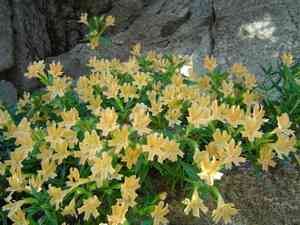
Sticky monkey-flower is recognized for its bright orange blossoms that can bring a lively hue to any outdoor space.
3
Incorporating Sticky monkey-flower into your yard can draw in beneficial insects, improving your garden's ecosystem.
Introducing Sticky monkey-flower for Landscape Design
Overview of Sticky monkey-flower's unique qualities that benefit landscaping
Sticky monkey-flower excels in landscape settings due to its capacity to flourish in diverse soil types, from sandy to heavy clay, showcasing its adaptable nature. This versatility makes it a dependable option for numerous gardens, even those with less-than-ideal conditions. Beyond its resilience, Sticky monkey-flower grows rapidly, meaning your garden will quickly fill with its lush foliage and striking blossoms. Furthermore, its drought tolerance is a significant advantage; once rooted, Sticky monkey-flower needs minimal irrigation, conserving water and reducing garden upkeep.
Exploring the aesthetic appeal of Sticky monkey-flower
The visual charm of Sticky monkey-flower stems from its vibrant orange blooms that appear abundantly from spring through summer, creating a lively burst of color. These tubular flowers attract pollinators like hummingbirds and bees, thereby supporting your garden's ecosystem. Additionally, Sticky monkey-flower's evergreen leaves ensure your garden stays vibrant and green all year, offering continuous visual interest even during dormant periods. The plant's natural, bushy growth habit also adds texture and volume to your landscape, making it a versatile addition to various garden styles, from formal borders to informal, wildflower gardens.
Selecting the Ideal Location for Sticky monkey-flower in Your Garden
Assessing sunlight and shading needs for optimal growth
Choosing the correct spot for Sticky monkey-flower in your garden is vital for its success. This plant thrives best with ample sunlight, ideally in full sun to partial shade. Ensure the chosen location receives at least six hours of direct sunlight daily. However, while Sticky monkey-flower can endure some shade, too much can result in leggy growth and reduced flowering. When planting, consider your garden's orientation and the shadows cast by taller plants or structures throughout the day to guarantee your Sticky monkey-flower gets sufficient light.
Considering soil types and drainage around Sticky monkey-flower
Another crucial factor in the successful cultivation of Sticky monkey-flower is soil condition. Sticky monkey-flower prefers well-drained soils to prevent root rot, a common problem in poorly draining areas. If your garden soil tends to hold water, consider amending it with organic matter like compost to enhance drainage and fertility. Creating raised beds or mounds can also help ensure water doesn't accumulate around the plant's roots. It's essential to regularly check the soil's moisture level, especially during the plant's establishment phase, to achieve a balance that promotes healthy growth.
Proximity to other plants and structures in landscaping
The placement of Sticky monkey-flower relative to other plants and structures also plays a key role in its integration into your garden. Since Sticky monkey-flower can reach several feet in height and spread, ensure it has ample room to grow without being crowded by nearby plants. Position it as a front-row plant in a tiered garden or along pathways where it can be easily admired. When grouped with complementary plants, consider Sticky monkey-flower's foliage and bloom cycles to ensure a continuous and harmonious display throughout the seasons. Additionally, planting near structures like trellises or garden walls can offer support and protection from strong winds.
Incorporating Sticky monkey-flower into Your Landscape Theme
Complementary plants that enhance Sticky monkey-flower's beauty
To maximize the visual impact of Sticky monkey-flower in your landscape, consider pairing it with complementary plants that highlight its unique features. Native grasses or other drought-tolerant perennials are excellent choices as they share similar care requirements. Plants with contrasting foliage colors, such as silver or blue-toned leaves, can intensify the orange hues of Sticky monkey-flower's blooms, creating a striking visual contrast. Additionally, incorporating plants that flower at different times of the year can ensure your garden remains colorful and engaging throughout the seasons.
Design techniques for grouping Sticky monkey-flower effectively
Effective grouping of Sticky monkey-flower involves thoughtful design techniques that consider scale, repetition, and harmony. Planting Sticky monkey-flower in clusters rather than as single specimens can create a more natural and impactful display. Repeating Sticky monkey-flower throughout the garden can help unify different sections, creating a cohesive look. Moreover, placing Sticky monkey-flower in strategic positions, such as near garden paths or seating areas, can draw the eye and invite closer inspection of its vibrant blooms. Balance the groupings with other plant forms to avoid a monotonous appearance and add depth to your garden design.
Using Sticky monkey-flower as a focal point in garden design
As a focal point, Sticky monkey-flower can become the centerpiece of your garden, attracting attention and anchoring the surrounding design elements. Its vibrant flowers and lush foliage make it a standout feature, especially when placed in prominent garden locations. Consider framing Sticky monkey-flower with lower-growing plants to emphasize its vertical presence. In a mixed border, position Sticky monkey-flower against a backdrop of darker foliage plants to make the orange blooms pop. Whether as a solitary focal point or as part of a mixed planting scheme, Sticky monkey-flower can add drama and interest to your landscape.
Seasonal Considerations for Sticky monkey-flower
Best seasons for planting Sticky monkey-flower
The ideal time to plant Sticky monkey-flower is during the cooler months of spring or fall. Planting in these seasons allows the plant to establish its root system before the stresses of summer heat or winter cold. Early spring planting benefits from increasing daylight and warming temperatures, promoting robust growth. Conversely, fall planting takes advantage of cooler temperatures and autumn rains, reducing the need for frequent watering and helping the plant acclimate gradually. Avoid planting during peak summer months to prevent heat stress and excessive water loss from the young plant.
How does Sticky monkey-flower adapt to different seasons?
Understanding how Sticky monkey-flower responds to seasonal changes can help you maintain a healthy and attractive plant year-round. In spring and summer, Sticky monkey-flower actively grows and blooms, requiring regular watering and occasional feeding with a balanced fertilizer to support its vigorous growth. As temperatures cool in the fall, growth slows, and it's an excellent time to prune and shape the plant as needed. In winter, Sticky monkey-flower can tolerate light frosts but may benefit from mulch around the base to protect its roots in colder climates. Providing appropriate care according to the season ensures Sticky monkey-flower remains an enduring feature in your garden.
Maintaining Sticky monkey-flower Without the Fuss
Basic upkeep tips for a thriving Sticky monkey-flower
Maintaining Sticky monkey-flower is relatively straightforward, making it an excellent choice for both novice and experienced gardeners. Regular watering during the initial establishment phase is crucial, but once established, Sticky monkey-flower becomes quite drought-tolerant. Pruning spent flowers encourages additional blooms and helps maintain a neat appearance. Light pruning in late winter or early spring promotes vigorous growth and removes any damaged or dead branches. Mulching around the base helps retain soil moisture and suppresses weeds, contributing to the overall health of the plant.
Common challenges and easy solutions
Despite its hardiness, Sticky monkey-flower can encounter some common gardening challenges. Root rot due to poor drainage is one of the most frequent issues; ensuring well-drained soil can prevent this problem. If pests such as aphids or spider mites appear, a strong water spray or insecticidal soap can help control infestations. Additionally, monitoring for signs of disease, such as leaf spots or mildew, and removing affected foliage promptly can prevent the spread of pathogens. By addressing these challenges proactively, you can ensure that Sticky monkey-flower remains a robust and beautiful part of your landscape.



