Enhancing Your Garden Design with the Venus flytrap Plant: A Landscaping Guide
1
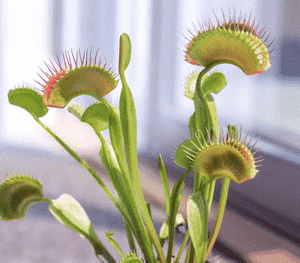
The Venus flytrap provides a distinctive and mesmerizing look, establishing it as a remarkable element in any garden setting.
2
Thoughtful positioning of Venus flytraps can establish striking central points, boosting your landscape's visual attractiveness.
3
Paying attention to seasonal shifts and climatic factors is crucial for the Venus flytrap to flourish in your garden.
Introducing the Venus Flytrap into Garden Design
Why incorporate Venus flytraps into your garden?
The Venus flytrap makes an excellent addition to any garden, offering not only visual charm but also a sense of curiosity and distinctiveness. This carnivorous plant, with its bright green leaves and captivating insect-trapping mechanisms, enthralls both gardeners and guests. Integrating Venus flytraps into your garden offers a chance to create a natural talking point, as well as to diversify and enrich your outdoor space.
The unique visual appeal of the Venus flytrap
The Venus flytrap distinguishes itself in any garden setting due to its exotic and somewhat ethereal appearance. With its remarkable traps and striking hues, it brings a dramatic flair that few other plants can rival. Its compact stature and singular structure make it an outstanding accent plant, especially in spots where you wish to attract attention or establish a central element.
Integrating Venus Flytraps into Various Garden Styles
Pairing Venus flytraps with contemporary landscapes
Modern landscapes often feature sleek lines, minimalist designs, and an emphasis on materials such as concrete, metal, and glass. The Venus flytrap, with its structural quality, integrates perfectly into these settings. Consider planting Venus flytraps in elegant, modern pots or incorporating them into elevated beds with a backdrop of gravel or stone. The sharp contrast between the Venus flytrap's natural form and modern elements can create a visually striking effect.
Incorporating Venus flytraps into traditional or cottage gardens
In traditional or cottage gardens, where lush foliage and a profusion of colors are typical, the Venus flytrap can offer an unexpected yet delightful contrast. Plant Venus flytraps alongside classic blossoms and greenery, using them to introduce an element of surprise. The gentle curves of traditional flowers juxtaposed with the sharp, geometric shapes of the Venus flytrap can produce a garden scene rich in interest and depth.
Creating impactful focal points with Venus flytraps
One of the most effective ways to utilize Venus flytraps in landscape design is to establish striking focal points. Position them in key areas where their distinctive appearance can be fully appreciated. This could be at garden entrances, in the middle of flower beds, or among other groundcovers and perennials. When placed thoughtfully, the Venus flytrap not only captures the eye but also accentuates surrounding plants, enhancing the overall garden composition.
Ideal Placement and Companion Plants for Venus Flytraps
Strategic placement tips for maximum visual impact
For the greatest visual effect, position Venus flytraps in areas where they are easily observed and admired. Consider elevating them slightly, either on a stand or in a raised bed, to bring them closer to eye level. This allows observers to study their intricate details and actions up close. Furthermore, ensure Venus flytraps receive ample light, as this is vital for their well-being and trap coloration.
Selecting companion plants for Venus flytraps
When choosing accompanying plants for Venus flytraps, select species that have comparable light and moisture needs. Plants such as sphagnum moss or small ferns that flourish in damp, acidic conditions make excellent partners. Their vibrant greenery complements the unique traps of the Venus flytrap, resulting in a harmonious and balanced aesthetic. Avoid planting Venus flytraps near species that demand frequent fertilization, as this can disrupt the delicate nutrient equilibrium crucial for their survival.
Seasonal Considerations for Venus Flytraps in Landscaping
What to expect from Venus flytraps across seasons?
Venus flytraps exhibit noticeable transformations throughout the year. In spring and summer, they are active and vigorous, with traps readily capturing insects. During the autumn and winter months, Venus flytraps enter a dormant phase, during which their growth slows, and the traps may brown and wither. Grasping this natural cycle is crucial for maintaining their health and vibrancy year-round.
Preparing Venus flytraps for changing climatic conditions
As the climate shifts, so do the requirements of Venus flytraps. In colder regions, providing winter protection or moving potted Venus flytraps indoors can safeguard them from frost damage. In warmer periods, ensure Venus flytraps receive adequate water and humidity, mirroring their natural environment. By adapting care routines to the changing seasons, you can help Venus flytraps flourish and continue to enhance your garden landscape.
Innovative Concepts for Using Venus Flytraps in Landscape Projects
Creative planting ideas for Venus flytraps
Be imaginative when planting Venus flytraps in your garden. Create themed zones, such as a carnivorous plant corner, to highlight their distinctive attributes. Utilize them in containers of various forms and dimensions, arranging them in clusters for an eclectic appearance. You can also integrate Venus flytraps into water features, as they naturally thrive in moist habitats. These inventive planting concepts can make your garden truly exceptional.
Using Venus flytraps in compact spaces and containers
Even with a small garden or just a balcony, you can still appreciate the charm of Venus flytraps. They are ideally suited for container gardening, allowing you to position them in small areas like patio tables, window sills, or deck railings. Ensure the containers offer good drainage and are filled with suitable soil. This arrangement not only conserves space but also makes Venus flytraps a central feature in confined areas, adding allure and fascination.



