Enhancing Your Garden Design with the 'uki'uki Plant: A Landscaping Guide
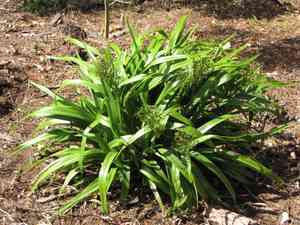
1
'Uki'uki tolerates dry conditions well, making it an easy-care option for your landscape.
2
Cultivating 'uki'uki allows you to appreciate its consistent aesthetic charm throughout the year, thanks to its texture and hue.
3
'Uki'uki demonstrates great flexibility, flourishing in diverse soil types, which makes it suitable for many garden settings.
Why Select 'uki'uki for Your Landscape Requirements?
Drought Tolerance: A Low-Effort Option
When choosing plants for your outdoor space, upkeep is a vital factor. 'uki'uki stands out as an excellent selection for gardeners seeking minimal maintenance. A key advantage is its remarkable ability to withstand dry conditions. This means that even during periods of limited rainfall, 'uki'uki can survive and flourish without constant irrigation. This trait makes it an environmentally friendly and economical addition to your garden, reducing water consumption and the time spent caring for your plants.
Year-Round Visual Appeal: Texture and Color
A garden should be attractive throughout the year, and 'uki'uki excels at providing continuous visual interest. Its foliage offers distinct textures and a rich spectrum of colors that change with the seasons. In spring and summer, 'uki'uki often displays vibrant, lush greenery paired with striking blooms. During autumn and winter, the leaves can retain their shape and hue, offering a consistent, pleasing presence in your garden. This perpetual appeal ensures your garden remains captivating and lively, even when other plants are not at their best.
Adaptability: Thriving in Diverse Soil Conditions
Different gardens possess varying soil types, and finding plants that can flourish in diverse environments can be challenging. 'uki'uki is a flexible choice, capable of growing well in a range of soil types, from sandy to loamy, and even heavy clay. This versatility makes 'uki'uki a adaptable addition to any garden, ensuring it can integrate seamlessly into your existing landscape regardless of the soil composition. Its capacity to thrive in less-than-ideal soil situations can simplify gardening and lead to greater success for both novice and experienced gardeners.
Design Concepts Utilizing 'uki'uki in Your Garden
Borders and Edges: Establishing Clear Boundaries
Incorporating 'uki'uki into your garden layout can help create well-defined borders and edges. This plant can serve as a natural divider, outlining different sections of your garden and adding structure. Its dense foliage and manageable size make it an excellent option for lining pathways, framing flower beds, or establishing perimeters around various garden zones. This not only enhances the visual coherence of your garden but also helps keep distinct plant areas well-organized and neat.
Focal Points: Highlighting Areas with Strategic Placement
If you aim to create striking focal points in your garden, 'uki'uki can be used strategically to draw attention to specific spots. Whether planted in groupings or as individual specimens, 'uki'uki can emphasize key features of your garden, such as sculptures, water elements, or seating areas. Its unique appearance and vibrant colors can create visually compelling locations that invite visitors to explore and appreciate your garden's beauty. Position 'uki'uki near garden entrances or alongside patios to make a memorable impression.
Groundcover: Efficient and Aesthetically Pleasing Space Utilization
For gardeners seeking to enhance the look and utility of their groundcover, 'uki'uki can be an ideal selection. Its low-growing and spreading habit makes it perfect for covering large soil areas, helping to suppress weeds and retain moisture. This not only reduces garden maintenance but also provides a visually appealing, green carpet that improves the overall aesthetics of your garden. Using 'uki'uki as groundcover can create a seamless, unified appearance while also supporting soil health by minimizing erosion.
Companion Planting with 'uki'uki: Boosting Biodiversity
Selecting Companion Species: A Guide
Choosing the appropriate companion plants for 'uki'uki can significantly enhance your garden's biodiversity and vitality. When pairing 'uki'uki with other species, consider plants that flourish in similar conditions and offer complementary advantages. For instance, combining 'uki'uki with native grasses or flowering perennials can create a visually harmonious and ecologically balanced garden. Additionally, seek out plants that may attract beneficial insects or provide mutual support, further enriching your garden's ecosystem.
Benefits for Pollinators: Attracting Helpful Insects
Integrating 'uki'uki into your garden can also draw in beneficial pollinators such as bees, butterflies, and other insects vital for your garden's health. The flowers of 'uki'uki offer a valuable nectar source, while its foliage can provide shelter and breeding sites. By fostering a diverse habitat with 'uki'uki, you'll create an environment that supports pollinators, leading to improved plant health and productivity. This not only makes your garden more vibrant but also contributes to supporting the broader ecosystem.
Improving Soil Health: Mutual Advantages for Garden Plants
Companion planting with 'uki'uki can also enhance the overall health of your garden's soil. 'uki'uki possesses a robust root system that helps aerate the soil and improve its structure. When planted alongside nitrogen-fixing plants or those with complementary root systems, it can boost soil fertility and stability. This mutual benefit means that both 'uki'uki and its companion plants will thrive, leading to a more resilient and productive garden. Regularly rotating and diversifying the plant species in your garden will further improve soil health and sustainability.
Long-term Growth and Upkeep of 'uki'uki
Seasonal Considerations for Optimal Vibrancy
To maintain 'uki'uki's peak vibrancy, it's crucial to consider seasonal care routines. During spring, focus on soil preparation and mulching to retain moisture. Summer care might involve periodic watering, especially during extended dry spells, to support growth and health. In autumn, consider pruning any dead or damaged foliage to encourage new growth. Winter care could include protection from extreme cold, depending on your local climate. By addressing 'uki'uki's needs each season, you ensure it remains vibrant and healthy year-round.
Natural Propagation: Encouraging Self-Spreading
One of the exciting aspects of cultivating 'uki'uki is its capacity for natural propagation. By encouraging self-spreading, you can gradually expand its presence in your garden with minimal effort. This can be achieved by allowing seeds to mature and disperse naturally or by gently dividing established clumps. Natural propagation not only fills in garden spaces organically but also helps create a more natural and wild landscape aesthetic. Monitoring and managing the spread ensures that 'uki'uki enhances rather than overwhelms your garden design.



