Enhancing Your Garden Design with the Rock orchid Plant: A Landscaping Guide
1
The rock orchid offers a distinct aesthetic to any garden through its impressive flowers and hardy characteristics.
2
Rock orchids flourish optimally in sunny, well-draining spots in your outdoor space.
3
Companion plants and ornamental elements can further elevate the rock orchid's allure.
Introducing Rock Orchid in Garden Design
Why select Rock Orchid for your outdoor space?
When designing your landscape, choosing plants that thrive locally and offer distinct beauty is vital. Rock Orchid is an excellent option, providing both hardiness and striking allure. It's recognized for its impressive look and ability to enhance various garden styles. Whether your garden is modern, minimalist, or traditional, Rock Orchid adapts well and adds a unique touch.
The distinct visual charm of Rock Orchid
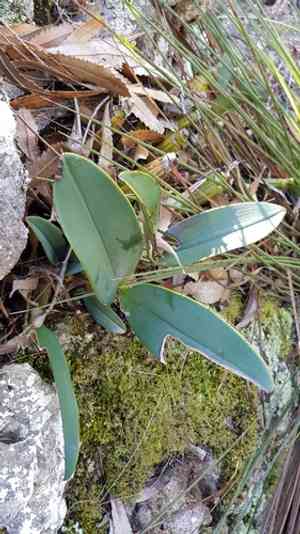
Rock Orchid possesses a natural appeal that distinguishes it from other garden flora. Its vibrant green leaves and prominent flower spikes create a lively focal point. The sturdy blossoms add an exotic flair, making your garden resemble a miniature paradise. Planted in clusters or as a solitary centerpiece, Rock Orchid captivates with its bold yet elegant presence.
Integrating Rock Orchid into Diverse Landscape Styles
Adding Rock Orchid to stone gardens
Stone gardens aim to replicate mountainous terrain, offering a rugged yet refined aesthetic. Rock Orchid fits perfectly here, thriving in rocky, well-drained soil. Placing Rock Orchid among stones creates a naturalistic look, as its robust flowers and foliage stand out beautifully against rock backdrops. Furthermore, the contrast between the hard stone surfaces and the soft, delicate Rock Orchid blooms creates a visually engaging display.
Utilizing Rock Orchid in contemporary landscape layouts
Modern landscapes often emphasize simplicity and clean lines. Rock Orchid can be a striking addition to such areas due to its structured form and vibrant flowers. It can break up monotonous straight lines and introduce a burst of color and texture. Consider planting Rock Orchid in geometric patterns or at key focal points to attract attention and add depth to your modern landscape.
Incorporating Rock Orchid into minimalist designs
Minimalist garden designs prioritize simplicity and practicality. Rock Orchid complements this aesthetic with its subtle elegance and low maintenance needs. Its presence in a minimalist garden can add sophistication without overwhelming the design's intended simplicity. By carefully positioning Rock Orchid, perhaps in uniform groupings or along paths, you can maintain a minimalist charm while introducing natural beauty.
Positioning Rock Orchid for Optimal Growth and Visual Appeal
Prime locations for Rock Orchid in your garden
Finding the perfect spot for Rock Orchid involves understanding its requirements and your desired aesthetic. Rock Orchid flourishes in well-drained areas with ample sunlight. Placing it in sunny parts of your garden ensures it receives the light needed for vigorous growth. However, it's also important that the location is protected from strong winds, which can harm its delicate flowers. Rock Orchid often thrives near rocks or walls that offer some shelter.
Light and shade: Balancing Rock Orchid's needs with aesthetics
Balancing Rock Orchid's light requirements with your landscape's aesthetic can be an art. While Rock Orchid loves sunlight, it also benefits from partial shade during the hottest parts of the day. This dual need can be creatively used in your garden design. Incorporate Rock Orchid in areas that receive morning sun and afternoon shade. Alternatively, use taller plants or garden structures to cast partial shadows, creating a dynamic interplay of light and shadow that highlights Rock Orchid's beauty.
Seasonal and Maintenance Considerations for Rock Orchid
Understanding seasonal effects on Rock Orchid
Seasonal changes significantly influence Rock Orchid's growth and flowering cycle. It's crucial to understand how different seasons impact its development. In spring and summer, Rock Orchid typically blooms fully, offering a spectacular floral display. However, during autumn and winter, its growth may slow, and flowers will be less frequent. Knowing this cycle helps you plan your garden so Rock Orchid is at its most impressive when desired.
Care tips for an optimal landscape display
Maintaining Rock Orchid involves a few simple steps to ensure it remains healthy and visually appealing. Regular watering is essential, especially during dry periods, but avoid waterlogging as it prefers well-drained soil. Pruning dead or damaged leaves and flowers not only keeps Rock Orchid tidy but also encourages new growth. Additionally, occasional fertilization during the growing season can promote abundant blooms and robust foliage. Mulching around the base of Rock Orchid can help retain moisture and protect its roots.
Pairing Rock Orchid with Other Plants and Elements
Complementary plants that enhance Rock Orchid's look
Pairing Rock Orchid with suitable companion plants can amplify its beauty. Consider combining Rock Orchid with plants that have contrasting or complementary colors and textures. Ferns, with their feathery fronds, provide a soft backdrop that highlights Rock Orchid's bold flowers. Similarly, grasses with their fine leaves offer an interesting textural contrast. When planting companions, ensure they have similar soil and light requirements as Rock Orchid for harmonious growth.
Decorative elements that pair well with Rock Orchid
Beyond plant companions, integrating decorative features can enhance Rock Orchid's visual impact. Consider adding elements like stone sculptures, water features, or rustic wooden trellises. These features not only complement Rock Orchid's natural beauty but also create focal points that draw the eye and add layers to your garden's design. For instance, placing Rock Orchid near a cascading water feature can create a tranquil and visually stunning corner in your garden.



