Enhancing Your Garden Design with the Umbrella Sedge Plant: A Landscaping Guide
1
Umbrella Sedge is an adaptable plant that flourishes in diverse settings, making it a superb option for many gardens.
2
Combine Umbrella Sedge with other water-loving flora for a harmonious and attractive garden layout.
3
Consistent care for Umbrella Sedge guarantees its vitality and well-being, improving your landscape's aesthetic.
Introducing Umbrella Sedge: A Distinctive Garden Addition
What is Umbrella Sedge?
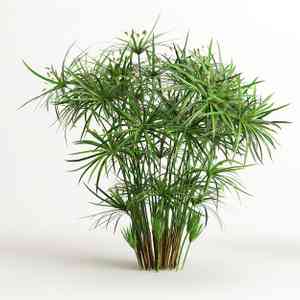
Umbrella Sedge is a captivating and adaptable plant recognized for its unique umbrella-like foliage. Originating from Madagascar, it flourishes in diverse environments, from wetlands to cultivated areas. Its scientific designation, Cyperus alternifolius, denotes its botanical lineage, yet home gardeners frequently call it Umbrella Sedge. Its versatility and striking appearance have made it a favorite among landscape enthusiasts.
Why consider Umbrella Sedge for landscaping purposes?
Umbrella Sedge offers numerous advantages for your garden's aesthetic. It functions as an excellent aquatic plant, thriving near ponds and streams, and contributes texture and height with its upright, grass-like stems topped by radiating clusters of green, grass-like leaves. The plant can create a powerful visual statement and serves as an ideal backdrop or focal point in your garden design. Its tolerance for both sun and partial shade makes it a flexible addition to various garden settings.
Understanding the growth habit of Umbrella Sedge
Umbrella Sedge typically forms in clusters and can reach heights of 3 to 4 feet. Its growth is quite rapid, meaning it can quickly fill spaces, providing lush greenery in a short timeframe. It propagates via both rhizomes and seeds, making it an effective ground cover and a natural solution for erosion control in wetter garden zones. Comprehending its growth pattern aids in planning its placement and managing its spread to prevent overcrowding other plants.
Optimal Placement for Umbrella Sedge's Visual Appeal
Best garden locations for Umbrella Sedge
Umbrella Sedge thrives in both full sun and partial shade, making it a versatile choice for various garden areas. Ideal spots include pond edges, water gardens, and any damp locations where other plants might struggle. If you possess a shaded garden bed that retains moisture, Umbrella Sedge can flourish there as well. Its preference for wet soil conditions means it can also perform well in rain gardens or near downspouts where water accumulates.
Companion plants that complement Umbrella Sedge
When selecting companion plants for Umbrella Sedge, it's essential to choose those that also prefer moist conditions. Good companions include hostas, ferns, and other sedges. These plants will thrive alongside Umbrella Sedge, and their varied textures and colors will create an appealing contrast. Aquatic plants like water lilies or irises make excellent partners for Umbrella Sedge near water features, adding layers of interest and diversity to your landscape.
Creating focal points with Umbrella Sedge
Umbrella Sedge can serve as a superb focal point in your garden due to its distinctive structure and height. Plant it in groups for a mass planting effect, or utilize single specimens to draw attention to specific garden areas. Combining it with ornamental rocks or garden sculptures can amplify its visual impact. Its bold form and striking silhouette against other plants or garden features can produce a dramatic effect.
Practical Tips for Integrating Umbrella Sedge into Landscape Design
Design considerations for incorporating Umbrella Sedge
When integrating Umbrella Sedge into your landscape design, consider its rapid growth and height. It's best positioned where it won't overshadow shorter plants. Use it to add vertical interest or as a natural screen. Its clumping habit makes it ideal for grouping in the background of flower beds or along borders. Ensure ample space for it to spread without encroaching on other plants, and plan for its upkeep to control its growth.
How to achieve a balanced look with Umbrella Sedge
To achieve a balanced appearance, combine Umbrella Sedge with plants of varying heights and textures. Placing lower, spreading plants in front of Umbrella Sedge can soften its upright form and create a seamless flow within your garden beds. Mixing flowering plants with Umbrella Sedge can also provide seasonal color and interest. Be mindful of the color palette to ensure a harmonious blend, and use Umbrella Sedge to create layers of greenery that guide the viewer's eye through the landscape.
Seasonal landscaping ideas with Umbrella Sedge
Umbrella Sedge is a year-round plant that offers consistent greenery, but its appearance can be enhanced by seasonal garden changes. In spring, pair it with blooming bulbs and early perennials. Summer is an excellent time to feature Umbrella Sedge near water features where it can remain lush and vibrant. In autumn, its foliage contrasts beautifully with the warm tones of fall leaves. During winter, Umbrella Sedge can add structure to a garden landscape that might otherwise be sparse, providing interest even in the off-season.
Maintaining Umbrella Sedge in Your Landscape
Basic maintenance tips for Umbrella Sedge
Umbrella Sedge is relatively low maintenance but benefits from consistent care to remain healthy and attractive. Water it regularly, especially during dry spells, to keep the soil moist. Trim back dead or damaged stems to encourage new growth and maintain a tidy appearance. You can also divide clumps every few years to prevent overcrowding and promote vigorous growth. Regularly check for pests or diseases, though Umbrella Sedge is generally resilient.
Addressing common challenges with Umbrella Sedge
Common challenges with Umbrella Sedge include overgrowth and competition with other plants. Its rapid spread can be managed by regular division and monitoring its growth. Ensure it has sufficient space to prevent it from overshadowing other garden inhabitants. Another issue might be yellowing leaves, which often indicate insufficient water. Ensuring consistent moisture levels can help alleviate this problem. If pests appear, treat them promptly to maintain the health of your plant.
How to extend the lifespan of Umbrella Sedge in your garden
To extend the lifespan of Umbrella Sedge, focus on providing optimal growing conditions. Ensure it receives ample water, especially during hot, dry periods. Mulch around the base to retain moisture and protect the roots. Regularly enrich the soil with compost or organic matter to supply essential nutrients. Pruning and dividing the plant every few years will prevent overgrowth and keep it healthy. By following these practices, you can enjoy the beauty of Umbrella Sedge in your garden for many years.



