Enhancing Your Garden Design with the Chinese cymbidium Plant: A Landscaping Guide
1
Chinese cymbidium flourishes optimally in soil that drains well and receives some indirect sunlight.
2
The graceful blooms of Chinese cymbidium are perfect for creating striking visual centers in any outdoor space.
3
Consistent trimming aids in preserving the vitality and look of Chinese cymbidium.
Appreciating the Visual Charm of Chinese Cymbidium
Visual traits: Form, hue, and dimensions
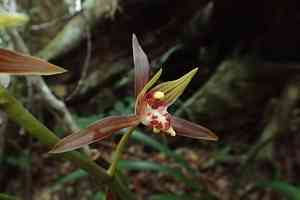
The visual attributes of Chinese cymbidium are truly captivating and significantly contribute to its allure in garden design. Its form is typically slender and graceful, with arching foliage that imparts an elegant feel. The blossoms, appearing in various shades like yellow and green, inject vibrancy into any garden. Furthermore, its size offers great adaptability, fitting well into both compact and expansive outdoor spaces. This blend of form, hue, and dimensions makes Chinese cymbidium an appealing choice for gardeners aiming to introduce a touch of sophistication to their outdoor areas.
Appearance changes throughout the year
A fascinating characteristic of Chinese cymbidium is its seasonal shifts in appearance. During its flowering period, typically from winter to spring, it produces exquisite blooms that can serve as a stunning focal point in your garden. In the non-blooming season, the plant's lush green leaves provide a serene backdrop, maintaining its aesthetic appeal year-round. Gardeners can strategically plan their landscape to leverage these seasonal transformations, creating an ever-evolving and dynamic garden environment.
Companion plants for Chinese cymbidium
To maximize the visual appeal of Chinese cymbidium, selecting suitable companion plants is crucial. Plants with contrasting colors or forms can amplify its visual impact. For instance, pairing Chinese cymbidium with ferns or hostas can evoke a lush, tropical ambiance, while incorporating brightly colored annuals or perennials can offer delightful visual contrasts. These complementary pairings can result in striking visual compositions, making your landscape more vibrant and attractive.
Selecting the Optimal Garden Spot for Chinese Cymbidium
Evaluating soil conditions suitable for Chinese cymbidium
Chinese cymbidium thrives in well-drained soil rich in organic matter. Prior to planting, it's beneficial to enrich your garden soil with compost or aged manure to enhance its texture and fertility. Checking the soil's pH is also advisable, as Chinese cymbidium flourishes best in slightly acidic to neutral conditions. Ensuring the correct soil environment will help your Chinese cymbidium grow robust and vibrant, making it a prominent feature in your landscape.
Sunlight and shade requirements
The sunlight and shading needs of Chinese cymbidium are vital for its growth and blooming. It generally prefers partial sunlight to light shade, as excessive direct sun can scorch its leaves, while insufficient light can hinder flower production. An ideal location often provides morning sun and afternoon shade. Keeping these light requirements in mind when choosing a planting site will ensure your Chinese cymbidium thrives and beautifies your garden.
Placement for visual impact and ease of access
Strategically positioning Chinese cymbidium in the garden for maximum visual impact and accessibility is essential. Planting it near garden paths, patios, or entrances can enhance the appreciation of its beauty. Additionally, considering the plant's height and spread when placing it will prevent it from overpowering or being overshadowed by neighboring plants. This thoughtful placement not only boosts visual appeal but also simplifies plant maintenance.
Integrating Chinese Cymbidium with Other Landscape Design Elements
Creating focal points with Chinese cymbidium
Establishing focal points in your garden using Chinese cymbidium can significantly boost visual interest. Its striking blooms naturally draw the eye, making it an excellent choice for central features in garden beds or container arrangements. By placing Chinese cymbidium in key areas, such as near seating zones or garden structures, you can create captivating visual anchors that enhance the overall landscape design.
Balancing symmetry and asymmetry
Achieving a balance between symmetry and asymmetry in your landscape design can make your garden more visually pleasing. Arranging Chinese cymbidium in symmetrical patterns, such as flanking a garden path or entrance, conveys a sense of order and formality. Conversely, employing Chinese cymbidium in asymmetrical designs, where plants are staggered or grouped in odd numbers, can create a more natural and relaxed aesthetic. Both approaches can effectively incorporate Chinese cymbidium into your landscape, depending on your design objectives.
Using Chinese cymbidium to enhance walkways and borders
Adorning pathways and borders with Chinese cymbidium can add grace and definition to these garden features. Its arching leaves and colorful flowers offer a soft yet striking contrast to the hardscaping of paths and borders. Planting Chinese cymbidium along walkways not only beautifies these functional areas but also guides visitors through your garden, fostering a cohesive and inviting landscape.
Maintenance Advice for Chinese Cymbidium in Outdoor Settings
Regular grooming and trimming
Consistent grooming and trimming are crucial for maintaining Chinese cymbidium's optimal appearance. Removing spent flowers, dead foliage, and any damaged parts of the plant promotes healthy growth and preserves its aesthetic appeal. Pruning also helps manage its size and shape, ensuring it doesn't overshadow other plants in your landscape. Diligent care will result in a more vibrant and attractive garden element.
Managing common pests and diseases of Chinese cymbidium
Effective management of pests and diseases is vital for the health of Chinese cymbidium. Common issues include aphids, spider mites, and fungal infections, which can be controlled through proper cultural practices, such as adequate spacing for air circulation and avoiding overhead watering. Utilizing organic or chemical treatments as needed can help keep these problems in check. Vigilance regarding plant health will help ensure your Chinese cymbidium remains a beautiful component of your landscape.
Seasonal care adjustments
Adapting care routines according to the season is essential for the well-being of Chinese cymbidium. During the active growth period, regular watering and feeding with a balanced fertilizer will support vigorous growth and flowering. In the dormant phase, typically late fall and winter, it's best to reduce watering and potentially provide frost protection if you reside in a colder climate. Tailoring your care regimen to the seasonal needs of Chinese cymbidium ensures it stays healthy and attractive throughout the year.



