Enhancing Your Garden Design with the Bear's paw Plant: A Landscaping Guide
1
The Bear's Paw plant offers a distinctive visual appeal, enhancing any garden space.
2
Strategic positioning and thoughtful plant combinations can amplify the Bear's Paw's visual charm.
3
Year-round care, adapted to the seasons, is vital for preserving the Bear's Paw's vitality and attractiveness.
Introducing Bear's Paw to Your Landscape
Understanding the Visual Impact of Bear's Paw
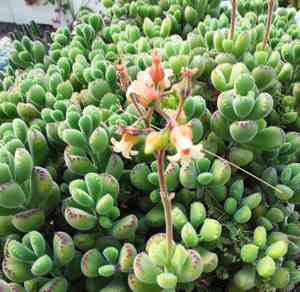
Bear's Paw, known as Bear's Paw, instantly captures attention with its distinctive, plump, claw-like foliage, lending it a whimsical charm. Its unique texture and form make it a prominent feature in any garden, adding both visual interest and a touch of novelty. The green, often fuzzy leaves offer a lush and inviting look, making it an excellent choice for gardeners aiming to introduce a playful element to their outdoor spaces.
Optimal Placement for Bear's Paw in Garden Designs
When positioning Bear's Paw in your garden, consider its aesthetic and environmental needs. It thrives best in well-draining soil and areas receiving ample sunlight, though it can endure partial shade. Bear's Paw can be a lovely addition to rock gardens, succulent arrangements, or as a central element in a container garden. Its unique shape makes it an ideal choice for borders or as an accent plant that draws focus without overpowering surrounding flora.
Pairing Bear's Paw with Other Plants
Complementary Plants for Bear's Paw
To cultivate a visually pleasing garden, combine Bear's Paw with plants that complement its texture and growth habit. Succulents such as Echeveria and Sedum are excellent companions, sharing similar care requirements and providing a cohesive appearance. Additionally, low-growing ground covers can accentuate Bear's Paw's sculptural form. When thoughtfully matched, these plants together can create a unified and attractive design.
Creating Color Contrasts and Textural Harmony
Color and texture are vital in garden design. Bear's Paw's rich green tones can be beautifully contrasted with the vibrant hues of flowering succulents or with grey and purple shades found in plants like Senecio or Lavender. The fuzzy texture of Bear's Paw's leaves can be complemented by the smooth, glossy foliage of other succulents or the rough texture of stones and gravel in rock gardens. This deliberate pairing can forge a dynamic and engaging landscape that appeals to the senses.
Seasonal Considerations for Bear's Paw
What to Expect in Spring and Summer
During spring and summer, Bear's Paw enters its active growth phase, producing new leaves and occasionally blooming. This period is perfect for feeding with a balanced, diluted succulent fertilizer to encourage vigorous growth. Sufficient watering is crucial during these warmer months, but be careful not to overwater, as Bear's Paw is prone to root rot. Proper care during these seasons ensures that Bear's Paw maintains its lush and healthy appearance.
Preparing Bear's Paw for Fall and Winter
As temperatures decrease, Bear's Paw requires different care to remain healthy and attractive. Move potted plants indoors if you reside in regions with frost, as Bear's Paw is not frost-tolerant. Reduce watering and stop fertilizing to allow the plant to rest. If kept outdoors, ensure the soil has good drainage to prevent root rot from rain. Covering the plant or using protective shelters can shield it from harsh weather, keeping Bear's Paw in optimal condition for the next growing season.
Maintaining the Aesthetic Appeal of Bear's Paw
Regular Upkeep Tips
Regular maintenance of Bear's Paw involves periodically removing dead or damaged leaves to keep the plant looking neat and healthy. Check for pests like aphids or mealybugs, which can be managed with insecticidal soap or natural predators. Maintaining the correct balance of sunlight and water is essential to preserving its aesthetic appeal. Regularly inspect the plant to detect any issues early, ensuring that your Bear's Paw remains a vibrant and attractive feature in your garden.
Managing Growth and Spread
Bear's Paw grows at a moderate rate and typically maintains a compact size. However, if you aim to control its spread or shape, occasional pruning can help manage its form. Be sure to use clean, sharp tools for precise cuts, and consider propagating the cuttings to expand your garden. With proper care and management, Bear's Paw can continue to enhance your garden's visual appeal for many years.



