Enhancing Your Garden Design with the Forest cabbage tree Plant: A Landscaping Guide
1
The forest cabbage tree brings a distinct and unusual beauty to any landscape.
2
Proper positioning of the forest cabbage tree requires evaluating light, shadow, and ground characteristics.
3
Companion plants can enhance the visual attractiveness of the forest cabbage tree in your outdoor space.
Introducing the Forest Cabbage Tree in Garden Design
Understanding the unique visual appeal of the Forest Cabbage Tree
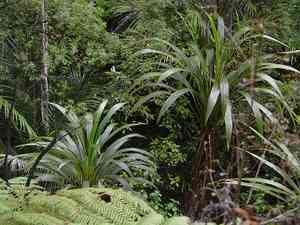
A captivating aspect of incorporating the Forest Cabbage Tree into your garden is its distinct aesthetic value. This plant is recognized for its graceful, cane-like form and striking leaves, which come in various hues like green, purple, and occasionally red. Its broad, arching foliage creates a beautiful structural shape that stands out, whether used as a focal point or within a larger plant arrangement. The exotic appearance of the Forest Cabbage Tree can transform an ordinary garden into a visual masterpiece, making your outdoor area both engaging and inviting.
How the Forest Cabbage Tree fits into contemporary and traditional garden styles
The Forest Cabbage Tree is a versatile plant that integrates seamlessly into both modern and classic garden designs. In contemporary landscapes, its clean lines and dramatic foliage offer a striking contrast against minimalist backgrounds and geometric forms. Conversely, in more traditional settings, the Forest Cabbage Tree can introduce a touch of sophistication and exotic flair. Its adaptable nature means it can be paired with various plants and garden structures, from sleek modern sculptures to classic stone pathways, ensuring it enhances the garden's overall look regardless of the design style.
Selecting the Ideal Spot for Your Forest Cabbage Tree
Assessing light and shade requirements for optimal development
When deciding where to place your Forest Cabbage Tree, it's vital to evaluate the amount of sunlight and shade it will receive. This plant thrives in areas offering bright, indirect light, though it can tolerate partial shade. Direct, intense sunlight can sometimes be too harsh, especially in warmer climates, potentially causing leaf scorch. Before planting, observe the area throughout the day to understand sun patterns. An ideal spot will provide ample morning light, with some shade during the hottest part of the day, ensuring the Forest Cabbage Tree grows healthy and strong.
Considering soil conditions and water drainage
Another crucial factor for successfully cultivating the Forest Cabbage Tree is the soil quality and drainage. This plant prefers well-draining soil that retains some moisture but avoids becoming waterlogged. Before planting, you might need to enrich the soil with organic matter, such as compost, to improve its fertility and drainage. Performing a simple drainage testâby digging a hole, filling it with water, and observing how quickly it drainsâcan help determine if the location is suitable. Good drainage is essential to prevent root rot, a common issue that can severely impact the Forest Cabbage Tree if not addressed.
Combining the Forest Cabbage Tree with Other Flora
Companion plants that amplify the Forest Cabbage Tree's visual impact
To maximize the visual appeal of your Forest Cabbage Tree in the garden, consider pairing it with complementary plants. Species with contrasting leaf colors, textures, or shapes can highlight the striking foliage of the Forest Cabbage Tree. For instance, placing the bold, architectural leaves of the Forest Cabbage Tree next to the delicate, fine-textured foliage of ferns or ornamental grasses creates an interesting and dynamic visual experience. Additionally, flowering plants that bloom in complementary colors can draw attention to the Forest Cabbage Tree without overshadowing its beauty.
Advice for creating harmonious plant arrangements
Creating harmonious plant groupings involves more than just aesthetics; it also means ensuring that plants have similar water, light, and soil needs. When integrating the Forest Cabbage Tree into your garden, select companion plants that thrive in similar conditions to minimize extra maintenance. Pay attention to the mature size of each plant to prevent overcrowding and competition for resources. Proper spacing allows each plant to flourish and prevents health problems. Group plants in odd numbers for a natural look and vary their heights to add depth and dimension to your garden.
Maintaining Your Forest Cabbage Tree in the Landscape
Essential care tips to keep your Forest Cabbage Tree flourishing
Maintaining your Forest Cabbage Tree in the garden involves regular but straightforward care. Ensure the plant receives sufficient water, especially during dry periods, but avoid overwatering. Pruning dead or damaged leaves promotes healthy growth and keeps the plant looking neat. Fertilize the Forest Cabbage Tree with a balanced, slow-release fertilizer during the growing season to provide essential nutrients. Regularly inspect the plant for pests and diseases, acting promptly if any issues arise. With these basic upkeep steps, your Forest Cabbage Tree will remain a vibrant and elegant feature in your landscape.
Seasonal care considerations for the Forest Cabbage Tree
Seasonal care is vital for ensuring your Forest Cabbage Tree looks its best throughout the year. In spring, early pruning and fertilization can stimulate new growth. During the hot summer months, additional watering may be necessary to keep the soil consistently moist but not waterlogged. As autumn approaches, reduce watering and cease fertilization to allow the plant to prepare for its dormant period. In winter, minimal care is needed, but in colder climates, consider mulching around the base to protect the roots from frost. Adjusting your care routine with the seasons ensures that your Forest Cabbage Tree remains healthy and beautiful all year long.



