Enhancing Your Garden Design with the Rose glory bower Plant: A Landscaping Guide
1
Clerodendrum bungei flourishes optimally in soil that drains well and receives partial to full sun exposure.
2
Yearly trimming of Clerodendrum bungei assists in preserving its form and promotes more robust flowering.
3
Clerodendrum bungei serves well as a garden centerpiece, an edging plant, or a visual barrier in landscape planning.
Understanding Rose glory bower's Growth Habits and Visual Appeal
Characteristics of Rose glory bower's growth: size and spread
A key aspect of integrating Rose glory bower into your landscape design involves comprehending its growth traits. Typically, Rose glory bower reaches a height of approximately 4 to 6 feet with a similar width. Its growth pattern is rounded and full, making it an excellent option for establishing dense and abundant garden sections. This shrub can expand through rhizomes, offering ground cover and filling empty spaces over time. However, in certain environments, it might grow quite vigorously, so monitoring and managing its expansion is crucial.
Seasonal changes and flowering patterns
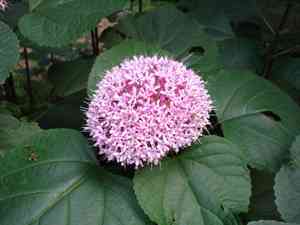
Rose glory bower adds stunning visual appeal to any garden with its captivating seasonal transformations and bloom cycles. During spring and summer, it produces an abundance of fragrant, pinkish-red flowers, attracting bees and butterflies. Its blossoms are not only attractive but also provide a delightful sensory experience. As seasons shift into autumn, the foliage may display various shades of yellow, offering seasonal interest even after the flowering period concludes. Understanding these changes aids in strategic planning and planting to maintain year-round visual appeal.
Color palette and texture attributes
The color scheme and texture of Rose glory bower make it a prominent addition to any landscape. Its vibrant flowers beautifully contrast with its large, textured, dark green leaves. These broad leaves impart a lush, tropical feel and introduce a layer of texture to your garden. The juxtaposition between the bold blossoms and the rich green foliage creates a dynamic and engaging visual experience. When incorporating Rose glory bower into your garden, consider how its colors and textures can complement or contrast with other plants to enhance overall garden aesthetics.
Ideal Locations for Rose glory bower in Landscape Settings
Sunlight and shade requirements
For optimal development, Rose glory bower needs a location with ample sunlight. It flourishes best in areas receiving full sun to partial shade. Ideally, it should get at least 6 hours of direct sunlight daily to produce the most vivid blooms. However, it can also tolerate some shade, especially in hotter climates where afternoon shade can help prevent leaf scorch. Selecting the right spot with sufficient sunlight ensures healthy growth and a profusion of flowers.
Soil type preferences and drainage considerations
Rose glory bower favors well-drained, fertile soil. Before planting, it's beneficial to enrich the soil with organic matter to boost its fertility and drainage capabilities. Avoid areas with heavy clay soil that retains too much moisture, as Rose glory bower does not thrive in waterlogged conditions. If your garden has poor drainage, consider raised beds or mounds to ensure better water runoff around the roots.
Proximity to other plants and structures
When planning Rose glory bower's placement, consider its spread and growth habits. It should have sufficient space to grow without excessive competition for resources with nearby plants. Additionally, positioning it near structures like fences or walls can offer support and protection from strong winds. However, be mindful that its spreading nature doesn't interfere with adjacent plants or structures. Proper spacing helps maintain healthy growth and prevents overcrowding.
Design Ideas: Integrating Rose glory bower into Various Garden Themes
Creating focal points with Rose glory bower
Rose glory bower serves as an excellent focal point in garden design due to its striking blooms and dense foliage. To establish a visual centerpiece, plant it in a prominent spot where its beauty can be fully appreciated. Whether in the middle of a flower bed, at the end of a garden path, or in a dedicated section of your garden, Rose glory bower can draw the eye and enhance the overall design.
Complementary plants for harmonious arrangements
For harmonious garden arrangements, pair Rose glory bower with complementary plants. Consider plants that offer a contrast in color or texture, such as ornamental grasses or flowering perennials. This contrast can highlight Rose glory bower's unique attributes and create a balanced visual appeal. Additionally, choose plants with similar growing requirements to ensure all thrive in the same environment.
Using Rose glory bower in borders, hedges, and privacy screens
Rose glory bower is adaptable and can be effectively used in borders, hedges, and privacy screens. Its dense growth makes it suitable for forming natural barriers that provide privacy and define boundaries. Planting several Rose glory bower bushes in a row can create a lush, flowering hedge that offers both beauty and utility. Use it to line pathways, frame garden areas, or establish secluded garden rooms.
Maintenance Tips for Keeping Rose glory bower Thriving in Your Garden
Pruning and trimming: best practices
Regular pruning and trimming are crucial for maintaining Rose glory bower's health and shape. Prune it annually, after the blooming period, to encourage new growth and preserve its size and form. Remove any dead or damaged branches to improve air circulation and reduce disease risk. Consistent pruning ensures that Rose glory bower remains a vibrant and attractive element of your garden.
Seasonal care routines to optimize health and aesthetics
Seasonal care routines help maximize the health and beauty of Rose glory bower. In spring, apply a balanced fertilizer to promote vigorous growth and flowering. Water consistently during dry spells to keep the soil uniformly moist, but not waterlogged. Mulching around the base in summer helps retain soil moisture and control weeds. In autumn, prepare Rose glory bower for winter by reducing watering and applying a layer of mulch to protect the roots from freezing temperatures.
Long-term health checks and common issues to watch for
Monitor the long-term health of Rose glory bower by performing regular health assessments. Look for indications of pests or diseases such as aphids, spider mites, or fungal infections. If detected, treat promptly with appropriate measures. Watch for overgrowth and manage it to prevent overcrowding. Ensuring proper care and addressing issues early helps keep Rose glory bower thriving and beautiful for many years.



