Enhancing Your Garden Design with the Sweet autumn clematis Plant: A Landscaping Guide
1
Sweet autumn clematis is a adaptable plant suitable for diverse landscape arrangements.
2
It enhances the visual appeal of upright gardens, arbors, and living screens.
3
Sweet autumn clematis complements other flora, improving garden aesthetics and vitality.
An Overview of Sweet Autumn Clematis's Adaptability in Landscaping
Why is Sweet Autumn Clematis a favored option for garden enthusiasts?
A primary reason Sweet Autumn Clematis is cherished by gardeners is its versatility. It thrives in diverse landscape environments, from urban plots to expansive rural estates. Its rapid development and robust nature allow it to quickly cover structures, offering lush foliage and a sense of maturity to newly designed areas. Furthermore, Sweet Autumn Clematis is notably resilient, making it resistant to various weather conditions and less susceptible to pests and diseases. This makes it an excellent selection for both new gardeners and experienced horticulturists alike.
Discovering the visual appeal of Sweet Autumn Clematis
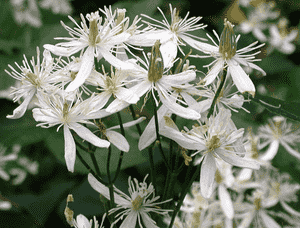
Beyond its hardiness, Sweet Autumn Clematis is valued for its striking appearance. Its delicate, star-shaped blooms erupt into an impressive show of white flowers, typically from late summer to early autumn. This flowering period is beneficial as it prolongs garden interest into the fall months, a time when many other plants are fading. The glossy green leaves provide a beautiful backdrop for the flowers, creating a vivid contrast and adding layers of visual texture to the garden. Whether draped over a fence or cascading down a trellis, Sweet Autumn Clematis brings an element of grace and romance to any outdoor space.
Landscape Concepts Featuring Sweet Autumn Clematis
Crafting impressive vertical gardens with Sweet Autumn Clematis
Vertical gardening has gained significant popularity, especially in urban areas where space is limited. Sweet Autumn Clematis, with its climbing habit, is ideal for this application. By training it to ascend along trellises, walls, or vertical frames, you can transform plain, unappealing structures into vibrant, green works of art. Vertical gardens with Sweet Autumn Clematis not only maximize space but also introduce a refreshing vertical dimension to the landscape, creating focal points that draw the eye upward. This method is particularly effective for designing visually engaging small gardens and courtyards.
Utilizing Sweet Autumn Clematis for seclusion and natural dividers
For those desiring privacy in their garden, Sweet Autumn Clematis offers a natural solution. Its dense foliage and swift growth make it perfect for forming living screens and partitions. Whether you need to shield your garden from neighbors or establish distinct garden 'rooms' within a larger area, Sweet Autumn Clematis can serve as a green barrier. Plant it along fences, around patios, or even as a natural curtain around outdoor dining spaces to create intimate, secluded areas. This approach enhances your garden's functionality while maintaining an organic, natural aesthetic.
Beautifying pergolas and archways with Sweet Autumn Clematis's flowing foliage
Pergolas and archways are classic garden elements that greatly benefit from the addition of climbing plants. Sweet Autumn Clematis's ability to intertwine and drape over structures makes it especially suitable for these areas. The cascading leaves and blossoms of Sweet Autumn Clematis can soften the lines of wooden or metal pergolas, creating a serene, shaded retreat underneath. Similarly, when trained to grow over archways, Sweet Autumn Clematis can form picturesque, flower-framed entrances that add a touch of magic to garden paths and walkways. This not only boosts ornamental value but also provides practical shade and coolness to the areas below.
Seasonal Considerations for Sweet Autumn Clematis in Your Garden
Optimal times to introduce Sweet Autumn Clematis into your landscape
Timing is critical when adding Sweet Autumn Clematis to your landscape. The best period to plant Sweet Autumn Clematis is in early spring or fall, when temperatures are milder and the plant can establish itself without the stress of extreme heat. Ensure the soil is well-drained and enriched with organic matter to give Sweet Autumn Clematis a robust start. Planting during these ideal seasons allows the roots to develop strongly, preparing the plant for vigorous growth and abundant flowering in subsequent seasons.
Guiding Sweet Autumn Clematis through various seasons
Maintaining the beauty of Sweet Autumn Clematis throughout the year requires some seasonal care. In spring, provide a trellis or support for new growth and prune dead or weak stems to encourage prolific blooming. During the summer, consistent watering and mulching will keep the plant healthy, especially in hot climates. As autumn approaches, enjoy the full bloom of Sweet Autumn Clematis, but begin preparing for winter by cutting back the plant after flowering and protecting the root zone with a layer of mulch. This seasonal upkeep ensures that Sweet Autumn Clematis remains a vibrant part of your landscape year-round.
Companion Planting with Sweet Autumn Clematis
Choosing ideal partners for Sweet Autumn Clematis in your garden design
Companion planting with Sweet Autumn Clematis can enhance the aesthetic and ecological balance of your garden. Select plants with contrasting yet complementary characteristics. For instance, planting Sweet Autumn Clematis alongside evergreens like boxwood or holly creates a stunning year-round display where the evergreen's structural foliage contrasts with Sweet Autumn Clematis's softer, flowering vines. Additionally, consider pairing Sweet Autumn Clematis with late-blooming perennials and ornamental grasses to extend seasonal interest and provide a succession of blooms that keeps the garden lively and dynamic.
How companion planting boosts the beauty and health of Sweet Autumn Clematis
Companion planting not only improves visual appeal but also promotes the health of Sweet Autumn Clematis and its neighboring plants. Plants such as marigolds and lavender can help deter pests, reducing the need for chemical interventions. Furthermore, ground covers and low-growing perennials can help retain soil moisture and suppress weeds, benefiting Sweet Autumn Clematis's growth. This symbiotic relationship in the garden fosters a more sustainable and resilient landscape, where each plant contributes to supporting the ecosystem. By carefully selecting companions, you can create a harmonious garden environment where Sweet Autumn Clematis and its neighboring plants flourish together.



