Enhancing Your Garden Design with the Golden rat tail Plant: A Landscaping Guide
1
Incorporating Golden rat tail into your outdoor space offers a distinct aesthetic due to its peculiar look.
2
Golden rat tail flourishes in diverse settings, rendering it ideal for rockeries and understated layouts.
3
Regular upkeep of Golden rat tail guarantees its continued prominence as a captivating element in your garden throughout the year.
Introducing Golden Rat Tail to Your Landscape
Why is Golden Rat Tail a distinctive choice for outdoor spaces?
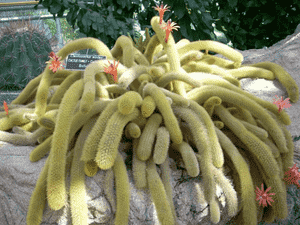
When considering new garden additions, Golden Rat Tail stands out as an exceptional option. Known for its unique cylindrical form and vibrant spines, it brings an exotic flair to any garden setting. Its ability to catch and reflect light enhances garden aesthetics, making it a captivating centerpiece. This distinct appearance makes Golden Rat Tail a versatile plant for various garden themes, setting it apart from more common selections.
Key characteristics of Golden Rat Tail that influence garden beauty.
Golden Rat Tail features dense, elongated stems covered in golden spines, creating a radiant glow in sunlight. Its growth habitâtrailing downwardsâmakes it ideal for hanging containers or as part of a rock garden. Its drought-tolerant nature allows it to thrive in dry, rocky environments, making it a superb choice for low-maintenance landscapes. Additionally, its capacity to produce striking blooms adds a seasonal burst of color, enriching your garden's visual appeal.
Incorporating Golden Rat Tail into Various Garden Styles
Integrating Golden Rat Tail into rock gardens and arid environments.
Rock gardens and dry landscapes greatly benefit from including Golden Rat Tail. Its natural preference for arid conditions ensures it complements the rugged terrain and sparse vegetation typical of these garden styles. Placing Golden Rat Tail among stones or in gravel beds highlights its unique structure while blending harmoniously with its surroundings. This combination not only conserves water but also enhances the beauty of both the rocks and the plant, creating a visually pleasing and unified garden area.
Utilizing Golden Rat Tail in contemporary and minimalist garden designs.
Modern and minimalist gardens thrive on clean lines and uncluttered spaces, making Golden Rat Tail an ideal fit. Its sleek form and minimal care requirements align perfectly with such designs. By grouping Golden Rat Tail with other succulents or placing it in simple containers, you can achieve a striking contrast against plain backgrounds or stark architectural features. This approach emphasizes the plant's aesthetic qualities while maintaining the simplicity and elegance characteristic of modern garden styles.
Plant pairings for a harmonious garden appearance.
Achieving a balanced garden look involves pairing Golden Rat Tail with complementary plants. Combine Golden Rat Tail with succulents, cacti, or Mediterranean plants to create a theme that flourishes under similar conditions and adds textural variety. The contrast between the spiky Golden Rat Tail and the smoother forms of companion plants can create a visually stimulating display. Furthermore, selecting plants with different blooming periods ensures a dynamic and ever-changing garden landscape throughout the year.
Seasonal Considerations for Golden Rat Tail in Your Garden
Seasonal expectations for Golden Rat Tail.
Golden Rat Tail exhibits remarkable resilience across seasons, though its appearance changes. During spring and summer, it often blooms, displaying vibrant flowers that add color to your landscape. In autumn, the blooms fade, but the stems retain their golden hue, ensuring the plant remains visually appealing. Winter care involves protecting it from frost, as extreme cold can harm its stems. However, Golden Rat Tail is generally hardy and continues to provide structural interest even in colder months.
Preparing your Golden Rat Tail for seasonal transitions.
Preparing Golden Rat Tail for seasonal changes involves a few proactive steps. In spring, ensure it receives ample sunlight to encourage flowering. During hot summer months, occasional watering might be necessary, despite its drought tolerance. As fall approaches, check for any signs of pests or diseases and address them promptly. In winter, consider moving potted Golden Rat Tail indoors or providing a frost cover for outdoor plants. Regular inspection and seasonal care adjustments ensure Golden Rat Tail remains healthy and attractive.
Maintenance Guidelines for Golden Rat Tail in Landscapes
Routine inspections and upkeep for lasting beauty.
Routine maintenance for Golden Rat Tail is relatively straightforward, making it an appealing choice for busy gardeners. Regularly check for signs of overwatering, such as soggy soil, and adjust irrigation as needed. Removing dead or damaged stems helps maintain its healthy appearance. Additionally, inspecting for pests, like spider mites or aphids, and treating them promptly preserves Golden Rat Tail's health and beauty. By following these basic upkeep steps, you can enjoy its striking visual appeal year-round.
Addressing common issues without complex care methods.
Managing common issues with Golden Rat Tail involves practical solutions requiring minimal effort. If the plant shows signs of stress, such as browning or shriveling, adjust its light and watering conditions. Overwatering is a frequent problem; ensuring well-draining soil and reducing water frequency can resolve it. Addressing pests with natural remedies like neem oil can minimize chemical use. These simple techniques ensure Golden Rat Tail remains vibrant and trouble-free in your landscape.
Visual Impact of Golden Rat Tail in Landscape Projects
Highlighting the striking attributes of Golden Rat Tail.
Golden Rat Tail boasts several striking features that enhance any garden landscape. Its cylindrical stems, adorned with golden spines, create a stunning visual effect, especially when sunlight hits the plant. During its blooming season, the flowers add bursts of color, making the plant even more captivating. Emphasize these features by placing Golden Rat Tail in prominent garden spots or against contrasting backgrounds, ensuring it becomes a focal point in your design.
Creating focal points with Golden Rat Tail in garden design.
Using Golden Rat Tail as a focal point in your landscape design draws the eye and adds a unique element to your garden. Position Golden Rat Tail in key areas, such as garden entrances, pathways, or central spots within a flower bed, to maximize its impact. Combining Golden Rat Tail with complementary hardscape elements, like rocks or gravel, further accentuates its features. By strategically placing Golden Rat Tail, you create striking focal points that enhance the overall beauty and coherence of your landscape.



