Enhancing Your Garden Design with the Indian chrysanthemum Plant: A Landscaping Guide
1
Indian chrysanthemum flourishes in soil that drains effectively and locations with ample sun exposure.
2
Establishing Indian chrysanthemum in springtime allows it to root firmly prior to the warmer season.
3
Growing Indian chrysanthemum alongside other plants can draw in helpful insects and enhance garden vitality.
Introducing Indian chrysanthemum to Your Garden
Choosing the Right Spot for Indian chrysanthemum
Selecting the optimal site for planting Indian chrysanthemum is vital for its development and flowering. Indian chrysanthemum thrives in locations with direct sunlight for at least six hours daily, which helps maximize its bloom potential. Ensure the chosen area has good air circulation to prevent fungal issues. If your garden has partial shade, aim for more sun exposure than shade to guarantee robust growth.
Soil Requirements for Indian chrysanthemum
Indian chrysanthemum is quite adaptable but flourishes best in well-drained soil rich in organic matter. Enhance garden soil with compost or aged manure to supply essential nutrients. Avoid waterlogged areas as Indian chrysanthemum prefers slightly acidic to neutral pH levels.
When to Plant Indian chrysanthemum for Optimal Growth
The ideal time to plant Indian chrysanthemum is in the spring once the danger of frost has passed. This allows the plant to establish a strong root system before summer's heat. Early planting also gives Indian chrysanthemum sufficient time to develop and produce vibrant blooms by autumn.
Design Ideas with Indian chrysanthemum for All Season Beauty
Incorporating Indian chrysanthemum in Perennial Beds
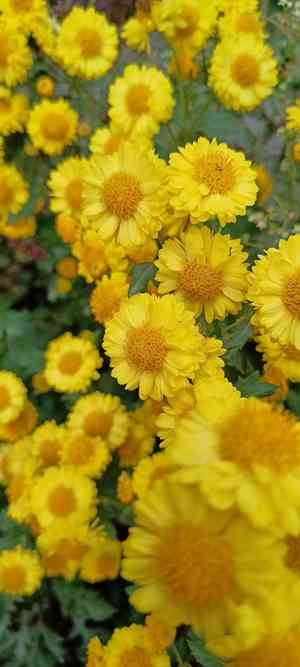
Indian chrysanthemum shines brightly in perennial beds, adding a burst of color and texture. Consider blending various Indian chrysanthemum types to enjoy a succession of blooms from late summer to fall. Group plants in odd numbers for a more organic, visually appealing arrangement.
Using Indian chrysanthemum in Container Gardening
If space is limited or you prefer a flexible gardening approach, cultivating Indian chrysanthemum in containers is an excellent choice. Select pots with ample drainage and fill them with nutrient-rich potting mix. Position the containers in sunny spots and remember to keep the soil moist but not waterlogged.
Creating Colorful Borders with Indian chrysanthemum
Indian chrysanthemum works wonderfully for creating striking borders along pathways or garden edges. Use a mix of colors to form eye-catching patterns, and pair Indian chrysanthemum with other complementary plants. The neat, mounded growth habit of Indian chrysanthemum provides a tidy look while contributing bold hues to your garden design.
Companion Planting with Indian chrysanthemum
Best Companion Plants for Indian chrysanthemum
Pair Indian chrysanthemum with plants that flourish under similar conditions. Examples include marigolds, asters, and ornamental grasses. These companions not only enhance the aesthetic appeal but also support a healthy, biodiverse garden environment.
Benefits of Companion Planting with Indian chrysanthemum
Companion planting Indian chrysanthemum can help attract beneficial insects like bees and ladybugs, which aid in pollination and pest control. Additionally, mixing Indian chrysanthemum with other plants can improve soil health and optimize space utilization, creating a more dynamic and resilient garden.
Seasonal Care Tips for Indian chrysanthemum
Spring and Summer Care for Indian chrysanthemum
During spring and summer, ensure Indian chrysanthemum receives consistent watering, especially during dry spells. Mulch around the base of the plants to retain moisture and suppress weeds. Fertilize monthly with a balanced fertilizer to promote vigorous growth and flower development.
Autumn and Winter Considerations for Indian chrysanthemum
In autumn, deadhead spent flowers to encourage more blooms. As winter approaches, add a layer of mulch to protect the roots from freezing temperatures. If you live in an area with harsh winters, consider potting Indian chrysanthemum and moving it indoors or to a sheltered spot.



