Enhancing Your Garden Design with the Night-blooming jasmine Plant: A Landscaping Guide
1
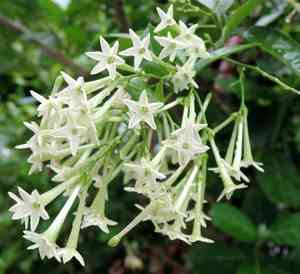
Night-blooming jasmine is recognized for its fragrant blossoms that open after dusk.
2
It flourishes in soil that drains effectively and can endure various light exposures.
3
Night-blooming jasmine has the potential to greatly draw in helpful creatures such as pollinators.
Introducing Cestrum nocturnum to Your Outdoor Areas
Why select Cestrum nocturnum for garden design?
Opting for Cestrum nocturnum in your landscape plan offers several benefits. Its nocturnal, aromatic blossoms introduce an element of surprise to your garden, providing a delightful scent that can invigorate cool evening gatherings. The resilience of Cestrum nocturnum to various soil conditions and its capacity to flourish in partial shade or full sun makes it a versatile choice for diverse garden environments. Furthermore, Cestrum nocturnum can create a distinctive visual appeal with its slender, elongated foliage and creamy white flowers.
Optimal locations for planting Cestrum nocturnum
When considering where to place Cestrum nocturnum, think about spots receiving indirect sunlight or partial shade. It can serve as a focal point in flower beds or an appealing addition near patios and walkways where its fragrance can be fully enjoyed. Ensure the soil drains well, as Cestrum nocturnum does not tolerate soggy conditions. Potted Cestrum nocturnum can also enhance entryways or deck areas, leveraging its container adaptability.
Seasonal behaviors of Cestrum nocturnum in landscapes
Cestrum nocturnum displays distinct seasonal patterns that can enrich the evolving dynamics of your garden. It typically blooms primarily from late spring to early autumn, producing numerous flowers that release their scent mostly at night. During colder months, you might observe reduced blooming, but the plant retains its green foliage, offering consistent visual interest even when not in full bloom. Regular trimming in late winter or early spring helps maintain its form and encourages healthier growth.
Designing with Cestrum nocturnum: Aesthetic Considerations
Pairing Cestrum nocturnum with other plants
Creating a cohesive landscape involves combining Cestrum nocturnum with complementary flora. Consider integrating it with other night-blooming species like moonflower or evening primrose to sustain the nocturnal charm. For daytime appeal, pair Cestrum nocturnum with brightly colored shrubs such as hibiscus or lantana. Blending varied leaf textures and plant heights with Cestrum nocturnum can enhance the visual complexity of your garden.
Color coordination and bloom cycles
Color harmony in your garden is crucial for achieving a unified look. Cestrum nocturnum's creamy white flowers can beautifully contrast with the vibrant hues of adjacent plantings. Planning around bloom cycles allows for continuous color display â combine Cestrum nocturnum with species that flower in different seasons, ensuring your garden always has focal points. Gradual transitions from bold daytime colors to Cestrum nocturnum's subtle nocturnal blooms can create a captivating landscape.
Height and structure in garden planning
Cestrum nocturnum typically reaches a height of 10-12 feet, making it excellent for adding vertical interest in garden designs. It's perfect for forming natural boundaries or serving as a backdrop for shorter, more colorful plants. Utilize its stature by planting along fences or walls where it can provide privacy without dominating the space. Pruning will help manage its growth and shape, ensuring it integrates seamlessly into your design.
Maintaining Cestrum nocturnum in Your Landscape
Basic care guidelines for Cestrum nocturnum
Caring for Cestrum nocturnum is quite simple, primarily requiring consistent watering, especially during dry periods, and occasional feeding with a balanced fertilizer. Prune annually to remove dead stems and stimulate new growth. This also aids in maintaining its shape, ensuring it remains a neat feature in your garden. Pest control is usually minimal, but be watchful for aphids or spider mites and treat as necessary.
Seasonal care adjustments
Seasonal care for Cestrum nocturnum involves modifying watering and feeding routines. In spring and summer, increase watering frequency and apply a slow-release fertilizer to support growth and flowering. Reduced watering in fall and winter is advisable, and you may cease fertilization during this dormant period. Protect the plant from frost by covering it or moving potted plants indoors when required.
Common issues and straightforward remedies
Frequent challenges with Cestrum nocturnum include managing excessive water, which can lead to root rot. Ensure proper drainage to prevent this problem. Yellowing leaves may indicate nutrient deficiencies, so implementing a regular fertilization schedule can help. Pests like aphids might occasionally appear, but they are easily managed with insecticidal soap. Consistent monitoring and timely intervention will keep your Cestrum nocturnum healthy and vibrant.
Environmental Impact and Benefits of Cestrum nocturnum
Contributions to local ecosystems
Cestrum nocturnum makes valuable contributions to local ecology by enhancing plant diversity in your garden. Its fragrant flowers attract nocturnal pollinators such as moths, aiding in the pollination of other night-blooming plants. The presence of such a plant can foster a more robust ecosystem, promoting plant and insect health in your garden.
Supporting wildlife with Cestrum nocturnum
Supporting wildlife is another significant advantage of incorporating Cestrum nocturnum into your landscape. The plant's flowers provide a nectar source for pollinators, while its dense foliage offers shelter for small birds and insects. By serving as a habitat for these creatures, Cestrum nocturnum helps maintain the biodiversity essential for a balanced garden environment.
Sustainability aspects of cultivating Cestrum nocturnum
Growing Cestrum nocturnum can be a sustainable choice, especially if sourced from local nurseries. It requires minimal water once established, reducing demand on local water supplies. Its adaptability to various soil types eliminates the need for extensive soil amendments, and its ability to coexist with native plants makes it a complementary addition to eco-friendly gardening practices.



