Enhancing Your Garden Design with the Snow-in-summer Plant: A Landscaping Guide
1
Perfect for covering the ground.
2
Snow-in-summer flourishes in soil that drains well and receives ample sunlight.
3
Requires minimal care and tolerates dry conditions.
Introducing Snow-in-summer in Garden Design
Defining garden design and Snow-in-summer's contribution.
Garden design involves arranging outdoor areas, enhancing natural beauty. Snow-in-summer, known as Snow-in-summer, is vital due to its striking look and practical advantages. Its dense, mat-like growth and bright flowers make it excellent for both visual appeal and practical use in garden layouts.
Overview of Snow-in-summer's visual traits.
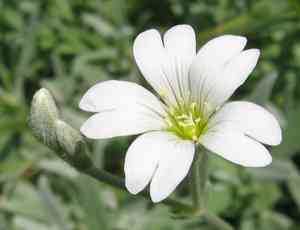
Snow-in-summer is famous for its brilliant white flowers that bloom in early summer, contrasting sharply with its silver-gray leaves. The plant typically reaches 6-12 inches tall, forming a thick mat that can spread up to three feet wide. This makes it perfect for ground cover, adding texture and color to any landscape.
Brief on Snow-in-summer's year-round adaptability.
A key feature of Snow-in-summer is its seasonal flexibility. While its bright white flowers shine in early summer, its attractive foliage offers visual interest all year. It's an evergreen perennial in many climates, providing consistent beauty and coverage regardless of the season.
Why Select Snow-in-summer for Your Outdoor Space?
Benefits of minimal upkeep.
A primary reason to choose Snow-in-summer for your landscaping is its low maintenance needs. Once established, it requires little care, making it ideal for busy gardeners or those wanting to lessen their gardening tasks. Regular watering during initial growth and occasional trimming to prevent overgrowth are usually enough.
Drought tolerance and versatility.
Snow-in-summer is highly drought-resistant, making it a sensible choice for areas with water restrictions or arid climates. Its ability to thrive in well-drained soil and full sun means it can adapt to various garden conditions. This resilience ensures your landscape stays vibrant and appealing with minimal effort.
Comparing Snow-in-summer with other garden plants.
Compared to other ground cover plants, Snow-in-summer stands out for its unique blend of beauty and utility. Unlike some ground covers that can become invasive, Snow-in-summer is well-behaved and easy to manage. Additionally, its silver-gray foliage and bright white flowers offer a stark contrast to the greens and earthier tones of other plants, adding visual depth to your garden.
Integrating Snow-in-summer into Your Garden Plan
Ideas for ground cover and border definition.
Snow-in-summer's dense foliage and spreading habit make it an excellent choice for ground cover, quickly filling spaces and suppressing weeds. It can also be used effectively for border definition, creating a neat, crisp edge along garden paths, flower beds, or driveways. Its low growth ensures it doesn't overshadow other plants while maintaining a tidy, orderly look.
Pairing Snow-in-summer with other flowering plants.
Combining Snow-in-summer with other floral elements can create a dynamic and textured garden display. Its white blooms pair beautifully with colorful perennials like lavender, daisies, or coreopsis. For a striking visual contrast, consider planting Snow-in-summer alongside darker foliage plants or taller, vibrant flowers. The result is a well-balanced, visually appealing garden scene.
Tips for achieving a harmonious garden aesthetic.
To achieve a balanced garden aesthetic with Snow-in-summer, consider its placement and overall design harmony. Use it to break up large areas of green lawn, provide continuity in a mixed border, or soften the edges of a walkway. Balance its presence with plants of varying heights and textures to create depth and interest. Remember, the key to a successful garden design is diversity and balance, and Snow-in-summer is a versatile player in achieving this.
Care Instructions for Snow-in-summer
Basic upkeep requirements.
Snow-in-summer needs minimal care once established. Regular watering during dry spells and light trimming after flowering are usually all it needs to flourish. Fertilizing is not typically required, but a light application of a balanced fertilizer in spring can promote healthy growth. Also, ensure proper soil drainage to prevent root rot.
Seasonal care adjustments.
Seasonal care adjustments for Snow-in-summer involve adapting to weather changes. In winter, protect it from excessive moisture which can cause root issues. During the growing season, regular watering and occasional removal of spent blooms can encourage a second flush of flowers. Mulching helps retain moisture and stabilize soil temperatures.
Addressing common problems with Snow-in-summer.
While Snow-in-summer is generally robust, it can face issues like overwatering, leading to root rot, and pests such as aphids or spider mites. To manage these, ensure good drainage and monitor for pest infestations, treating them promptly with suitable methods. Pruning any diseased or damaged foliage can also help maintain plant health and appearance.



