Enhancing Your Garden Design with the Happy tree Plant: A Landscaping Guide
1
The distinctive leaves of the Happy tree provide continuous aesthetic interest.
2
Happy tree flourishes in bright locations yet tolerates some shade.
3
Growing other plants alongside Happy tree can boost ecological diversity and garden well-being.
The Visual Appeal of Happy tree in Your Garden
Visual impact of Happy tree's unique foliage and structure
A primary reason gardeners favor Happy tree is its remarkable leaves and distinct form. The foliage of Happy tree, with its intriguing shapes and vibrant hues, creates a visual centerpiece in any garden. This plantâs striking silhouette, coupled with its potential to mature into a well-formed tree, ensures it stands out as an attractive feature regardless of the garden's overall design.
Happy tree's seasonal colors and how they complement other plants
Throughout the year, Happy tree displays a range of colors that can enhance your landscape's aesthetics. In spring and summer, Happy tree boasts rich green leaves, while autumn brings a spectacular shift as foliage turns to shades of yellow or red. These transformations not only add appeal but also blend beautifully with the colors of neighboring plants. Coordinating Happy tree with other plants can create a cohesive and vibrant seasonal palette.
Incorporating Happy tree into thematic landscaping designs
Whether your garden follows a formal, informal, or even a naturalistic design, Happy tree can integrate seamlessly. Its adaptable presence allows it to be used in various thematic landscapes, such as Asian-inspired gardens where its form complements the tranquil, minimalist aesthetic, or in cottage gardens where its vibrant foliage contrasts beautifully with the array of floral colors. Integrating Happy tree into your gardenâs theme can truly unify the entire design.
Optimal Placement of Happy tree in Your Landscape
Choosing the right location for growth and visual appeal
Selecting the ideal spot for Happy tree is vital for its development and the visual charm it provides. Ideally, position Happy tree in an area where it can be a focal point - a place where its unique structure and foliage can be admired. Considering the space it will require as it matures and ensuring it has ample room to flourish without crowding other plants is essential for maintaining an attractive garden layout.
Understanding sunlight and shading requirements
While Happy tree thrives best in full sun, it is adaptable enough to grow in partial shade as well. Understanding the sunlight and shading patterns in your garden will help you place Happy tree where it can receive optimal light conditions. Additionally, being mindful of nearby structures or trees that might cast shadows will ensure Happy tree gets sufficient light throughout the day, promoting healthier growth and more vibrant foliage.
Companion Planting with Happy tree
Selecting plants that thrive alongside Happy tree
Selecting companion plants for Happy tree involves choosing species that not only look good together but also have similar growing conditions. Plants that thrive in comparable soil types and light conditions will coexist harmoniously with Happy tree, creating a balanced and flourishing garden environment. Examples might include ornamental grasses, perennials, and shrubs that enjoy similar moisture levels and sunlight.
Benefits of biodiversity in landscaping
Incorporating a variety of plants alongside Happy tree can significantly enhance your gardenâs biodiversity. This diversity boosts the resilience of the garden ecosystem, aiding in pest control and promoting healthier plant growth. A biodiverse garden supports a wider range of beneficial insects and wildlife, enhancing the overall environment while also creating a beautiful, dynamic landscape.
Tips for creating a harmonious plant layout
When planning your garden layout, consider the height, color, and texture of each plant to establish a pleasing composition. Placing taller plants like Happy tree towards the back or center of garden beds can create depth, while layering shorter plants in front adds dimension. Additionally, staggering bloom times ensures that your garden remains visually appealing throughout the seasons as different plants come into their own at various times of the year.
Year-Round Interest with Happy tree
Maintaining visual interest across seasons
One of the greatest advantages of including Happy tree in your landscaping is its capacity to provide interest all year round. Each season brings a fresh look to Happy tree, from the lush greens of spring and summer to the spectacular autumn foliage. In winter, the bare branches of Happy tree add structure and a subtle beauty to the landscape, ensuring that your garden remains engaging regardless of the season.
Features of Happy tree that provide winter interest
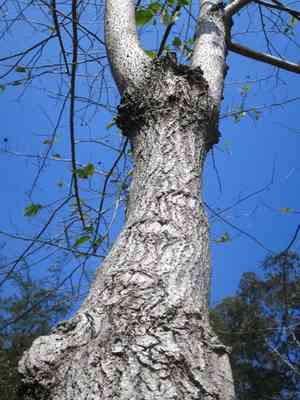
Even in the colder months, Happy tree offers unique features that keep the garden visually appealing. The treeâs textured bark and interesting branch patterns stand out beautifully against the winter sky. Additionally, any remaining seed pods or dried foliage can offer a touch of natural décor during the dormant season, providing a point of visual interest when many other plants have faded.



