Enhancing Your Garden Design with the Chinese sweetshrub Plant: A Landscaping Guide
1
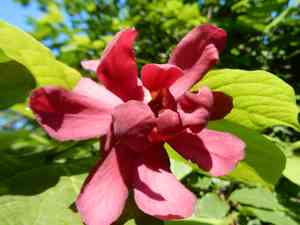
The lovely flowers of Chinese sweetshrub can improve any garden's visual charm.
2
Chinese sweetshrub provides continuous appeal through its seasonal transformations.
3
Chinese sweetshrub serves as a great option for drawing in and sustaining local fauna.
Why Select Chinese Sweetshrub for Your Outdoor Space?
Visual Charm: Discover the distinct allure of Chinese sweetshrub
The primary draw of integrating Chinese sweetshrub into your garden design is its singular and beautiful appearance. This shrub showcases striking, fragrant blooms that can capture anyone's attention. Its flowers range in hues from creamy white to soft pink, lending a gentle touch to the garden. The unique structure of its blossoms creates a focal point, allowing Chinese sweetshrub to stand out among other plants. Its abundant green leaves further enhance its visual appeal, providing a dense and attractive backdrop. Whether you aim to establish a stunning centerpiece or add a touch of sophistication, Chinese sweetshrub can transform any garden area.
Year-Round Interest: Understanding its continuous visual contributions
Chinese sweetshrub offers considerable visual appeal throughout the year, making it a flexible option for your garden. In spring, its delicate white or pink flowers emerge, bringing color and scent to your landscape. As the seasons change, the lush green foliage provides a consistent backdrop for other seasonal blooms. By autumn, the leaves may shift into lovely shades of yellow or brown, extending the interest into the fall. Even in winter, the form of Chinese sweetshrub can add texture and shape to a bare landscape. This continuous appeal is perfect for gardeners seeking to maintain a vibrant and engaging garden across all seasons.
Wildlife Magnet: How Chinese sweetshrub aids in fostering local animal life
Choosing Chinese sweetshrub for your garden can significantly contribute to supporting and attracting local wildlife. Its fragrant flowers are not only beautiful but are also known to draw in pollinators like bees and butterflies, which are vital for a healthy ecosystem. The dense foliage offers shelter and nesting spots for various bird species, while its seeds can serve as a food source for small mammals. By incorporating Chinese sweetshrub into your garden, you contribute to local biodiversity, supporting a range of species and promoting a balanced environment.
Optimal Placement for Chinese Sweetshrub in Your Landscape?
Identifying Prime Locations: Bright spots versus shaded zones
Selecting the appropriate location for Chinese sweetshrub in your garden is crucial for its growth and vitality. This plant thrives best in areas with partial shade to full sun. While it can endure direct sunlight, some dappled shade during the hottest part of the day can help prevent leaf burn. Ensure the planting site has well-draining soil to prevent waterlogged roots, which can harm the plant. Consider placing Chinese sweetshrub near patios or seating areas where its aroma can be enjoyed up close. Strategic placement is key to maximizing both the visual and fragrant benefits of this charming shrub.
Companion Planting: Ideal partners for Chinese sweetshrub in your garden
Integrating Chinese sweetshrub with other plants can enhance the overall appearance and health of your garden. For a harmonious garden design, consider pairing Chinese sweetshrub with plants that have similar cultivation requirements. Companion plants such as azaleas, rhododendrons, and hydrangeas, which also prefer partially shaded conditions, can create a lush and unified look. Adding ground covers like hostas or ferns can provide a pleasing contrast to Chinese sweetshrub's upright growth habit. These combinations not only optimize aesthetic appeal but also support overall garden health by encouraging biodiversity.
Integrating Chinese Sweetshrub into Various Garden Styles
Formal Gardens: Enhancing balance and structure with Chinese sweetshrub
In formal garden settings, where symmetry and precise lines are paramount, Chinese sweetshrub can be a valuable addition. Due to its manageable size and structured growth pattern, it can be shaped and pruned to fit into almost any design. Plant Chinese sweetshrub along pathways or as a border plant to create defined lines. Its elegant flowers and foliage add a refined touch without overwhelming the structured layout. Regular pruning will help maintain its form and encourage denser growth, making it perfect for formal garden aesthetics.
Cottage Gardens: Boosting the rustic charm with Chinese sweetshrub
In cottage gardens, which embrace a more relaxed and informal planting style, Chinese sweetshrub fits perfectly with its delightful blooms and natural growth. Planting Chinese sweetshrub alongside other classic cottage garden plants like roses, hollyhocks, and delphiniums can enrich the rustic and cozy feel. Its fragrant flowers provide olfactory pleasure, enhancing the overall sensory experience of the garden. Allow Chinese sweetshrub to grow naturally with minimal pruning to maintain that whimsical, unconstrained look characteristic of cottage gardens.
Modern Landscapes: How Chinese sweetshrub fits into contemporary designs
Incorporating Chinese sweetshrub into modern landscapes, known for their clean lines and minimalist plantings, might seem challenging, but it can actually add a unique element. The elegant, yet subtle, flowers and foliage of Chinese sweetshrub can integrate well within contemporary settings. Use Chinese sweetshrub as an accent plant in minimalist plantings or as part of a mixed border with other modern plant selections like ornamental grasses or agaves. Its ability to blend while adding texture makes it a versatile choice for contemporary landscapes.
Care Guidelines for Chinese Sweetshrub in Your Garden
Basic Upkeep: Simple advice to keep Chinese sweetshrub thriving
Maintaining Chinese sweetshrub is relatively straightforward, making it an excellent choice for both new and experienced gardeners. Consistent watering, especially during dry periods, ensures the plant remains hydrated. Mulching around the base helps retain moisture and keeps the roots cool. Pruning should be performed in late winter or early spring to remove dead or damaged branches, promoting healthy new growth. Fertilizing Chinese sweetshrub with a balanced feed in spring will support its blooming and overall vitality. Watch for any signs of pests or disease, though Chinese sweetshrub is generally resilient.
Seasonal Care: Preparing Chinese sweetshrub for varying weather conditions
Seasonal care is vital to keep Chinese sweetshrub looking its best throughout the year. In spring, ensure the plant is well-watered as it emerges from dormancy. During summer, consistent watering is crucial, particularly during dry spells. Applying mulch can help retain moisture and prevent weed growth. In autumn, a light pruning can help maintain its shape and remove any deadwood. As winter approaches, adding a layer of mulch or straw at the base can protect the roots from freezing temperatures. If you reside in a particularly cold region, consider providing some form of frost protection.



