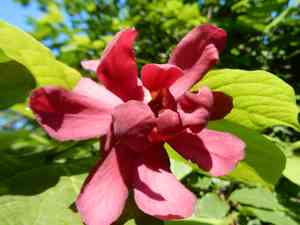
Chinese sweetshrub (Calycanthus chinensis)
Also known as: Chinese wax shrub
Exclusively pollinated by small beetles, the Chinese sweetshrub (Calycanthus chinensis) is an appealing choice for foundation plantings and shrub borders, known for its striking blooms. Unfortunately, it has become rare in its natural habitat near mountain streams.
In This Article
Attributes of Chinese sweetshrub
Lifespan
Perennial
Plant Type
Shrub
Plant Height
1 m to 3 m
Spread
1.5 m to 3 m
Leaf Color
Green Yellow
Flower Size
4.5 cm to 7 cm
Flower Color
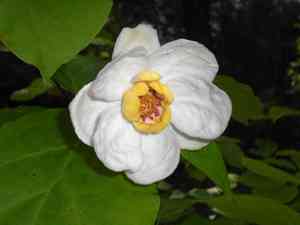
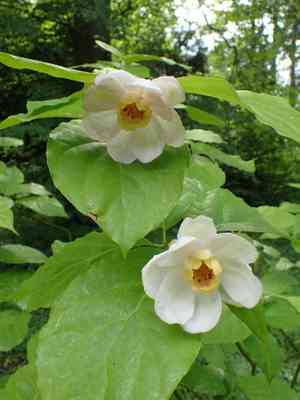
White Yellow Pink
Images of Chinese sweetshrub

Quickly Identify Chinese sweetshrub
1
Dark green, glossy leaves up to 6 inches (15 cm) long.
2
Reddish-brown to dark crimson 1-2 inch (2.5-5 cm) flowers.
3
Distinct gray to gray-brown stem bark with smooth to rough texture.
4
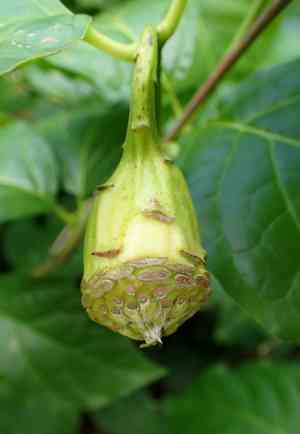
Fruit with top-shaped structures adorned with achenes and silky hairs.
5
Upright, fairly dense growth habit reaching 6-9 feet (1.8-2.7 meters).
Scientific Classification of Chinese sweetshrub
Phylum
Vascular plants
Class
Dicotyledons
Order
Laurels, spicebushes and allies
Family
Sweetshrub
Genus
Sweetshrub
Species
Chinese sweetshrub
Planting and Growing of Chinese sweetshrub
Care Difficulty
Easy
Watering Schedule
Every 3 days
Sunlight Requirements
Partial sun
Sunshine Duration
4-8 hours
Ideal Temperature
60-75℉
Soil Type
Potting Mix, Peat Mix
Soil pH
6.5-7.5
Fertilizer Type
Balanced
Pruning Season
Spring, Summer
Pruning Area
Branches, Leaves
Pruning Frequency
2 times a year
Repotting Season
Spring
Pot Type
Plastic, Ceramic
 How to Water Chinese sweetshrub?
Calycanthus chinensis requires consistent moisture, but not soggy conditions. Water deeply each time to mimic rainfall, ensuring the soil is evenly moist but not waterlogged. Aim for about 500 ml per watering.
What are the symptoms of an underwatered Chinese sweetshrub?
›
What should I do if my Chinese sweetshrub is not getting enough water?
›
What are the symptoms of an overwatered Chinese sweetshrub?
›
How to save an overwatered Chinese sweetshrub?
›
 What Are the Sunlight Requirements for Chinese sweetshrub?
Calycanthus chinensis thrives in partial sun, benefiting from a semi-shaded environment that encourages healthy growth and flowering. This light exposure ensures robust development without risking leaf burn or stunted growth.
More About Sunlight Requirements Techniques→
Optimal Light Intensity
›
Solution for Ideal Lighting
›
Benefits of Ideal Lighting
›
 What Is the Ideal Temperature Range for Chinese sweetshrub?
Calycanthus chinensis thrives best in a temperature range from 60°F to 75°F. This range mimics its native environment and is essential for optimal growth and flowering. Consistently maintaining this range encourages vigorous growth and vibrant blooms.
 What Soil is Best for Chinese sweetshrub?
Calycanthus chinensis thrives in soil that drains well, preventing waterlogging around its roots. Well-drained soil ensures the roots receive proper oxygen, reducing the threat of root rot. This plant benefits from soil with moderate fertility, which provides essential nutrients without overwhelming the roots. Balanced nutrients support healthy growth and vibrant blooms. The soil should retain adequate moisture to keep the plant hydrated, especially during dry spells. Soil that retains moisture well supports consistent growth and reduces stress on the plant.
 How to Fertilize Chinese sweetshrub?
Calycanthus chinensis, commonly known as Chinese sweetshrub, prefers a balanced approach when it comes to fertilization. For liquid fertilizers, a diluted solution at half strength is typically sufficient, applied every two weeks during the growing season. For slow-release granular fertilizers, use roughly one tablespoon per square foot around the base of the plant. Avoid over-fertilizing, as this can lead to excessive leaf growth at the expense of flowers.
 How to Prune Chinese sweetshrub?
Begin by removing any dead or crossing branches. This helps open up the plant for better airflow and directs growth energy towards healthy branches. Shape the Calycanthus chinensis by cutting back overgrown or wayward branches. Aim for a balanced form that allows light penetration throughout the canopy, which supports vigorous flowering and growth. Always make your cuts at a 45-degree angle. This prevents water from sitting on the cut surface, which can cause diseases, and encourages quick healing.
More About Pruning Techniques→
 How to Propagate Chinese sweetshrub plant?
1
Collect mature seeds from Calycanthus chinensis when they are fully ripe. This usually coincides with late summer or early autumn, ensuring the seeds have reached full maturity.
2
Select healthy, semi-hardwood stems for cutting propagation during late summer. Cut these into sections about 4-6 inches long, ensuring each has several leaves.
3
Dip the cut ends of the stems into rooting hormone to promote root growth. This step significantly increases the success rate of new root formation in cuttings.
 How to Repot Chinese sweetshrub plant?
1
Calycanthus chinensis, also known as Chinese Sweetshrub, signals repotting time when roots invade drainage holes or growth stagnates despite optimal care. Ideally, repot in early spring or fall, avoiding extreme weather, so the plant establishes well.
2
Choose a pot 2-4 inches larger in diameter than the current one, with ample drainage holes to prevent waterlogging. This helps accommodate root growth, provide stability, and ensure proper moisture regulation, fostering healthy plant development.
3
Opt for a well-draining loamy soil enriched with organic matter, promoting root aeration and nutrient retention. The ideal mix balances moisture and aeration, preventing root rot while supplying essential nutrients for robust growth and vibrant foliage.



