Enhancing Your Garden Design with the Angel wings Plant: A Landscaping Guide
1
Angel wings introduces vivid hues and distinct patterns to any outdoor space, establishing it as a prominent selection.
2
Suitable for both sunny and shaded areas, Angel wings provides adaptability in garden design.
3
Timely maintenance for Angel wings guarantees continuous attractiveness and hardiness across different weather conditions.
Introducing Angel Wings in Garden Design
Overview of Angel Wings's distinctive visual appeal
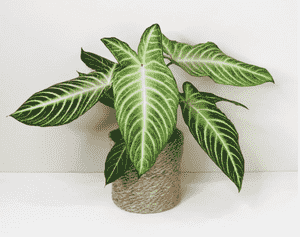
Angel Wings is celebrated for its striking foliage, showcasing intricate designs and vivid hues ranging from deep greens to brilliant white veins. The texture and look of its leaves make it a versatile choice for enhancing garden aesthetics. Whether utilized as ground cover or a standalone feature, Angel Wings has the capacity to capture attention and offer an ornamental touch that is unparalleled. Its visual charm extends beyond mere appearance; it also fosters a sense of calm and natural splendor that can elevate any outdoor area.
Advantages of incorporating Angel Wings into contemporary landscapes
Integrating Angel Wings into your landscape plan provides numerous benefits. Firstly, it requires relatively little upkeep, making it ideal for busy gardening enthusiasts who desire beauty without extensive effort. Furthermore, Angel Wings's adaptability to various environmental conditions means it can flourish in diverse garden settings, from shaded spots to areas with indirect sunlight. This plant also possesses a unique ability to harmonize with both modern and traditional landscape styles, making it a flexible option for various garden themes.
Design Concepts Featuring Angel Wings
Utilizing Angel Wings as central elements in garden layouts
Angel Wings can serve as a captivating focal point in your garden, drawing the eye with its bold leaf patterns and colors. Positioning Angel Wings at the heart of a flower bed or in a decorative container can establish a central piece that grounds your landscape design. Consider pairing it with paving stones or ornamental gravel to create a defined space that accentuates its beauty. This approach not only highlights Angel Wings but also fosters a cohesive and balanced garden arrangement.
Companion plants that enhance Angel Wings's allure
To maximize Angel Wings's visual impact, combine it with complementary plants that emphasize its unique characteristics. Plants with contrasting foliage, such as ferns and hostas, can make Angel Wings's vibrant leaves stand out even more. Additionally, flowering plants like begonias or impatiens can introduce a burst of color that complements Angel Wings's intricate leaf patterns. The key is to cultivate a diverse yet harmonious blend of plants that collectively elevate the overall aesthetic of your garden.
Creating color contrasts with Angel Wings
One of the most effective ways to employ Angel Wings in landscaping is by generating color contrasts. Since Angel Wings possesses striking foliage, placing it alongside plants with solid, deep colors can make its patterns pop even more. For instance, positioning it next to dark green shrubs or along a garden border with deep red or purple flowers can produce a vibrant and dynamic visual contrast. This technique not only accentuates the beauty of Angel Wings but also adds depth and dimension to the garden.
Placing Angel Wings in Various Garden Environments
Optimal locations for Angel Wings in sun and shade
Angel Wings thrives well in both sun and partial shade, offering flexibility in its placement. In full sun, Angel Wings will necessitate more frequent watering to prevent leaf scorch and maintain its vibrant colors. In shaded areas, it can still flourish and add brightness where other plants might struggle. Positioning Angel Wings in dappled sunlight or areas with morning sun and afternoon shade can prove to be the ideal balance for its growth. This adaptability makes it an excellent candidate for various spots in your garden.
Spacing and grouping recommendations for optimal development
When planting Angel Wings, proper spacing is vital to ensure optimal growth and air circulation. Position individual plants approximately 12-18 inches apart, depending on their mature size. This not only ensures each plant receives adequate light and nutrients but also prevents overcrowding, which can lead to disease. Grouping Angel Wings in clusters can create a lush, unified appearance, while also simplifying care and maintenance. When thoughtfully designed, these groupings can serve as mini focal points throughout your garden.
Seasonal Considerations for Angel Wings
Maintaining Angel Wings's vibrancy through seasonal changes
To preserve Angel Wings's vibrancy throughout the year, it's crucial to adjust your care routine with the changing seasons. Regular watering and fertilizing during the active growth period will keep the foliage lush and colorful. As temperatures decrease, reduce watering to prevent root rot. Applying mulch around the base can help retain moisture and provide insulation during colder months. Additionally, removing any dead or damaged leaves can keep the plant healthy and encourage new growth.
Adjusting landscaping strategies for Angel Wings during colder periods
During colder months, special attention may be needed to shield Angel Wings from frost. In regions where freezing temperatures are common, consider relocating potted Angel Wings indoors or utilizing frost blankets to protect it from the cold. Another approach is to plant Angel Wings in microclimates within your garden that offer some natural protection from harsh weather, such as near warm walls or beneath the canopy of larger trees. Planning these adjustments in advance will ensure that Angel Wings continues to thrive and beautify your garden year-round.



