Enhancing Your Garden Design with the Jelly palm Plant: A Landscaping Guide
1
The Jelly palm offers a captivating aesthetic due to its distinctive leaves and form.
2
Thoughtful positioning of a Jelly palm can transform a typical garden into a remarkable outdoor space.
3
Jelly palm needs particular seasonal attention to preserve its attractiveness and vitality all year long.
Introducing Pindo Palm for Landscape Design
Pindo Palm's Visual Charm Overview
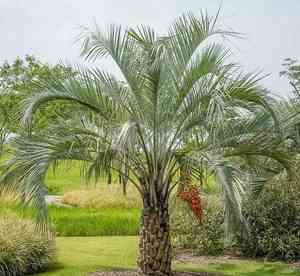
The visual appeal of Pindo palm stems from its graceful, arching leaves and sturdy trunk, which impart an exotic flair to any setting. Its elegant, drooping foliage creates a lush, tropical atmosphere that can instantly enhance the beauty of your outdoor area. Whether utilized as a solitary specimen or alongside other plants, Pindo palm offers a distinct texture and color unmatched by many other landscape elements. This plant can spark conversations, attracting attention and admiration from guests. Its unique appearance ensures it remains a central feature in any garden, making it an essential asset for landscape architects.
Advantages of Incorporating Pindo Palm into Landscape Plans
Integrating Pindo palm into your landscape design offers several advantages. Firstly, it demands relatively little upkeep, making it an excellent option for gardeners who prefer to enjoy their garden rather than constantly tending to it. Secondly, Pindo palm exhibits remarkable drought resistance, meaning it needs less water compared to other tropical species. This characteristic not only aids in water conservation but also positions Pindo palm as a sustainable choice in areas prone to dry periods. Furthermore, its fruits can attract local wildlife, adding an ecological dimension to your garden. In essence, Pindo palm improves aesthetics, reduces maintenance, and fosters ecological balance in cultivated environments.
Strategic Placement of Pindo Palm in Garden Layouts
Utilizing Pindo Palm as a Central Feature
A key strategy in landscaping involves positioning Pindo palm as a focal point. Placing Pindo palm in a central spot immediately draws the eye, directing attention towards it. This deliberate placement works exceptionally well in expansive open areas where Pindo palm's grandeur can be fully appreciated. For example, situating it near a garden entrance or by a patio can establish a striking visual anchor. The impressive height and dense foliage of Pindo palm make it a natural centerpiece, providing structure and unity to the surrounding elements.
Harmonizing Open Areas with Pindo Palm
Balancing open spaces with Pindo palm is another effective landscaping technique. In large gardens, excessive open space can sometimes appear stark and uninviting. By incorporating Pindo palm, you can break up these areas, adding vertical interest and visual equilibrium. Its broad canopy offers much-needed shade, making open zones more comfortable and usable during warm weather. Moreover, Pindo palm's presence can soften rigid lines and hardscapes, such as paths and patios, creating a more welcoming and organic flow within the landscape.
Achieving Cohesion with Other Plants and Pindo Palm
Achieving harmony between Pindo palm and other plants in your garden is vital for a unified landscape design. Pindo palm pairs beautifully with various plant species, especially those native to similar climates. Consider combining it with ornamental grasses or flowering shrubs that complement its tropical aesthetic. The contrast between Pindo palm's bold fronds and the softer textures of companion plants can create a dynamic yet balanced appearance. Additionally, using ground covers around its base can enhance its visual impact and lessen the need for extensive weeding, thereby maintaining a neat and harmonious garden.
Seasonal Considerations for Pindo Palm in Landscapes
Year-Round Visual Appeal with Pindo Palm
Maintaining year-round visual appeal with Pindo palm is straightforward due to its evergreen nature. Unlike many plants that may lose their charm during specific seasons, Pindo palm retains its lush appearance throughout the year. Its fronds provide a constant source of greenery, ensuring your landscape looks vibrant in every season. Even in winter, when other plants might fade, Pindo palm stands strong, adding essential color and texture. To maximize its continuous appeal, you might consider underplanting with seasonal flowers that offer varying bursts of color and complement Pindo palm's consistent green hues.
Adapting Landscaping Practices to Pindo Palm's Seasonal Needs
Adjusting your landscaping practices according to Pindo palm’s seasonal requirements is crucial for its health and longevity. During warmer months, ensure it receives sufficient water but prevent waterlogging the soil. Mulching around its base can help retain moisture and reduce weed competition. In colder temperatures, particularly in areas prone to frost, it may be necessary to provide some protection, such as using frost cloths. Pruning should ideally occur in late winter or early spring before new growth emerges, removing any damaged or dead fronds to keep the plant looking its best.
Common Questions About Including Pindo Palm in Your Garden
How does Pindo palm affect overall garden upkeep?
Incorporating Pindo palm into your garden can simplify overall maintenance efforts. As a resilient and drought-tolerant plant, it requires minimal watering once established. Its slow growth rate means less frequent pruning, reducing the time and effort spent on care. Furthermore, Pindo palm is resistant to most common pests and diseases, further minimizing the need for chemical treatments or intensive care routines. These characteristics make it an excellent choice for gardeners seeking ease of maintenance without sacrificing aesthetic appeal.
Can Pindo palm coexist with typical garden features and elements?
Pindo palm can seamlessly integrate with a variety of garden features and elements. Its adaptable appearance complements both modern and traditional landscaping styles, making it a versatile addition to any garden. You can plant Pindo palm near water features, garden benches, or pergolas to enhance the atmosphere and create picturesque settings. Its sturdy trunk and arching fronds can also provide natural shade to seating areas, making them more enjoyable. By thoughtfully combining Pindo palm with other garden components, you can create a balanced and harmonious outdoor space that is both functional and beautiful.



