Enhancing Your Garden Design with the Japanese barberry Plant: A Landscaping Guide
1
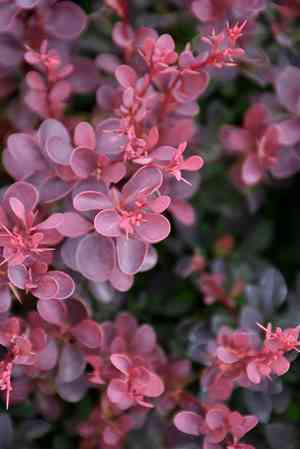
Japanese barberry provides continuous aesthetic appeal through its shifting hues.
2
Thoughtful positioning of Japanese barberry can improve the look of both compact and expansive gardens.
3
Upkeep for Japanese barberry is quite straightforward, making it a popular choice for those who garden.
An Introduction to Incorporating Japanese Barberry in Landscape Design
The aesthetic contribution of Japanese barberry to contemporary garden schemes.
A key attribute of Japanese barberry in garden design is its visual appeal. This plant is celebrated for its vivid foliage, which undergoes color transformations throughout the year, offering a dynamic visual experience. In spring, leaves might emerge a fresh green, transitioning to deep red or even purple during summer and fall. This seasonal shift makes Japanese barberry a versatile option for providing continuous interest in your garden. Furthermore, its dense, arching branches create an elegant framework that can define garden beds or paths, lending a refined and unified look to your outdoor area.
Current trends integrating Japanese barberry into outdoor environments.
Current landscaping trends increasingly feature Japanese barberry due to its aesthetic adaptability and ease of upkeep. One such trend involves its use in rock gardens. The contrast between the plant's colorful leaves and the neutral tones of rocks produces a visually captivating effect. Another popular approach is to include Japanese barberry in mixed shrub borders, where it can offer a striking counterpoint to evergreen plants or other flowering shrubs. This not only diversifies the garden but also enhances its overall visual charm. Moreover, Japanese barberry's robust nature makes it suitable for urban settings, where its resilience to pollution and low maintenance requirements are significant benefits.
Optimal Placement of Japanese Barberry in Your Garden
Selecting ideal locations for growth and visual impact.
Choosing the correct site for Japanese barberry is vital for its development and its effect on your landscape. Ideally, Japanese barberry should be planted in an area receiving full sun to partial shade. Full sun intensifies its foliage color, while partial shade helps prevent the plant from drying out too quickly. When considering placement, account for the plant's mature dimensions, which can reach 3 to 6 feet in both height and width. This makes Japanese barberry an excellent choice for hedges or as a border plant. Additionally, its thorny branches can act as a natural barrier, offering both privacy and security.
Maximizing visual appeal through strategic positioning.
To enhance the visual appeal of Japanese barberry, consider its placement in your garden thoughtfully. One effective method is to use Japanese barberry as a backdrop for perennial flowers or smaller shrubs. The difference in size and color can create a multi-dimensional effect that draws the eye. Another idea is to position Japanese barberry near walkways or entry points. This not only highlights the plant but also ensures its beautiful foliage and structure can be admired up close. Lastly, incorporating Japanese barberry into raised beds or as part of a tiered garden design can add depth and intrigue to your landscape.
Design Concepts for Incorporating Japanese Barberry
Integrating Japanese barberry with other plant species for a multi-layered appearance.
Achieving a layered look in your garden with Japanese barberry involves pairing it with other plant varieties that complement its color and texture. For example, combining Japanese barberry with ornamental grasses can create a soft, flowing contrast to its more structured form. Perennials like coneflowers or black-eyed Susans can introduce vibrant blooms that stand out against Japanese barberry's foliage. Furthermore, utilizing evergreen shrubs as a background can make Japanese barberry's seasonal color changes even more dramatic. The key is to experiment with varying heights, colors, and textures to cultivate a harmonious and visually engaging landscape.
Utilizing Japanese barberry as a central feature in minimalist designs.
In minimalist garden designs, Japanese barberry can serve as a striking focal point due to its bold colors and architectural shape. Position it in an area where it can stand alone or with a limited number of other plants to maintain the clean, uncluttered aesthetic characteristic of minimalist design. You might place Japanese barberry against a neutral-colored wall or fence to make its foliage truly pop. Pairing Japanese barberry with simple elements like gravel or stone pathways can also amplify its visual impact, creating a serene yet dynamic space.
Seasonal Considerations for Japanese Barberry
Anticipating Japanese barberry's behavior across different seasons.
Understanding Japanese barberry's seasonal progression can aid in planning and maintaining a beautiful garden. In spring, the plant bursts forth with vigorous new growth, often in shades of fresh green. As summer approaches, expect the foliage to deepen to rich reds or purples, providing a lush backdrop for other blooms. Autumn brings another transformation, with the leaves adopting fiery hues. Even in winter, Japanese barberry maintains its presence; its bare, arching branches add structure and interest to an otherwise dormant landscape. Being aware of these seasonal characteristics allows you to fully appreciate Japanese barberry's year-round appeal.
Preparing Japanese barberry for seasonal transitions.
Preparing Japanese barberry for seasonal changes is vital for its long-term health and beauty. In spring, ensure the soil drains well and apply a balanced fertilizer to support new growth. During the summer heat, mulching around the base can help retain moisture and keep the roots cool. As autumn nears, consider trimming any excessively long branches to maintain the plant's shape. In winter, a layer of mulch can protect the root system from freezing temperatures. Regularly inspect the plant for signs of stress or disease, especially after extreme weather, to address any issues promptly.
Maintenance Advice for Japanese Barberry
Regular care tasks to ensure Japanese barberry thrives.
Consistent care is crucial for Japanese barberry to flourish. Watering should be performed regularly, particularly during dry periods, to keep the soil moist but not waterlogged. Pruning is another important task; trimming back dead or overgrown branches in late winter or early spring encourages healthy new growth and preserves the plant's form. Fertilizing once a year in the spring with a balanced, slow-release fertilizer will supply the necessary nutrients for vibrant foliage. Additionally, routine mulching helps retain soil moisture and suppress weeds. These straightforward yet effective maintenance tasks will ensure Japanese barberry remains a beautiful and essential component of your landscape.
Addressing common issues associated with Japanese barberry.
While Japanese barberry is generally robust, there are a few common challenges to be aware of. Pests like aphids can occasionally infest the plant, but these can be managed with insecticidal soap or natural predators such as ladybugs. Another potential problem is powdery mildew, a fungal disease that creates a white coating on the leaves. Ensuring good air circulation and applying a fungicide can alleviate this issue. Overwatering or poorly draining soil can lead to root rot, so it's essential to closely monitor soil moisture levels. By promptly addressing these challenges, you can keep Japanese barberry healthy and vibrant.



