Enhancing Your Garden Design with the Bolivian begonia Plant: A Landscaping Guide
1
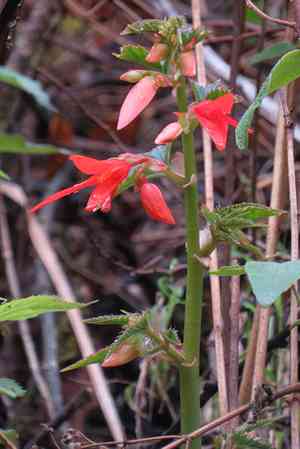
Bolivian begonia adds vivid hues and interesting feel to any outdoor space, making it adaptable for diverse garden designs.
2
Planting Bolivian begonia is most effective in late spring or early summer to encourage peak growth and flowering.
3
Consistent care, including removing spent blooms, supports the health and vigor of Bolivian begonia.
Introducing Bolivian Begonia in Landscaping
Why select Bolivian begonia for your garden or outdoor area?
Opting for Bolivian begonia in your garden or home exterior offers both aesthetic appeal and practical advantages. This plant is celebrated for its striking look and adaptability to various settings, making it an excellent choice for gardeners of all experience levels. Whether you aim to establish a vibrant garden bed or an impressive container display, Bolivian begonia provides the flexibility and beauty needed to enhance any outdoor space. Its vivid flowers and distinct foliage add depth and character, offering year-round charm that can align with any landscaping vision.
Key characteristics of Bolivian begonia beneficial for landscape designs
Bolivian begonia possesses several traits that make it an outstanding option for landscape designs. Firstly, its brilliant hues create a central point in any garden, attracting attention and adding visual interest. Additionally, its compact growth habit suits various garden layouts, from expansive beds to confined areas. Furthermore, Bolivian begonia is known for its extended blooming period, ensuring your garden remains lively and colorful throughout the growing season. Its resistance to pests and diseases also means it requires less intensive care, allowing gardeners to enjoy its beauty without extensive upkeep.
Integrating Bolivian Begonia into Diverse Landscape Styles
Utilizing Bolivian begonia in structured garden environments
In structured garden environments, Bolivian begonia can be employed to craft elegant and organized designs. Its consistent growth pattern and vibrant blooms make it perfect for planting in symmetrical arrangements or as part of geometric patterns. You can border paths, establish defined edges, or use Bolivian begonia as a central feature in a formal garden bed. Its bright colors can complement traditional topiaries and neatly trimmed hedges, elevating the sophistication and orderly beauty of formal landscapes.
Incorporating Bolivian begonia into informal/cottage gardens
For informal or cottage gardens, Bolivian begonia delivers a burst of color and a touch of charm that complements the relaxed and natural aesthetic. Its vibrant flowers and lush foliage blend seamlessly with other perennials and annuals, creating a harmonious and free-flowing garden bed. You can mix Bolivian begonia with other flowering plants to achieve a layered and textured look, planting it alongside softer plants to create contrast and depth. Its adaptability means it can thrive in various positions, from shaded nooks to sunnier spots, adding to the charming and eclectic feel of cottage gardens.
Advantages of Bolivian begonia in urban green spaces
Bolivian begonia offers distinct advantages for urban green spaces. Its small size makes it an excellent choice for container gardening, enabling urban gardeners to introduce nature into limited areas such as balconies, patios, and small courtyards. The plant's resilience and adaptability also mean it can endure the fluctuating conditions of urban environments, from full sun to partial shade. Additionally, Bolivian begonia's vibrant blooms can inject much-needed color into dull urban settings, creating small havens of beauty and tranquility amidst the city's hustle and bustle.
Seasonal Considerations for Planting Bolivian Begonia
Optimal times of the year for planting Bolivian begonia
The best times to plant Bolivian begonia are in late spring or early summer when the threat of frost has passed, and the soil has warmed. These conditions provide the ideal environment for Bolivian begonia to establish its root system and begin vigorous growth. Planting during this period ensures that Bolivian begonia has a full growing season ahead, allowing it to develop and bloom to its maximum potential. It's advisable to prepare the soil by ensuring it is well-drained and rich in organic matter to support healthy growth.
Understanding the flowering cycles of Bolivian begonia
Understanding the flowering cycles of Bolivian begonia is crucial for planning your garden to ensure continuous color throughout the growing season. Bolivian begonia typically starts blooming in late spring and continues until fall, providing a long-lasting display of flowers. Removing spent blooms can encourage further flowering and maintain the plant's appearance. By strategically placing Bolivian begonia in your garden, you can enjoy an extended period of vibrant color and lush foliage, enhancing the overall aesthetic appeal of your landscape.
Care Guidelines for Bolivian Begonia in Landscape Design
Essential upkeep for peak performance
To ensure Bolivian begonia performs optimally in your landscape, follow some basic care guidelines. Regular watering is important, especially during dry spells, to keep the soil consistently moist but not waterlogged. Mulching around the plant's base can help retain moisture and suppress weeds. Fertilizing with a balanced, slow-release fertilizer during the growing season can promote healthy growth and abundant blooming. Additionally, removing faded blooms and damaged foliage keeps Bolivian begonia looking neat and encourages new growth.
Addressing common issues with Bolivian begonia in diverse climates
Different climates present unique challenges for cultivating Bolivian begonia. In warmer regions, providing partial shade during the hottest part of the day can prevent heat stress. In cooler areas, protecting the plant from late frosts is vital. Adequate drainage is key in regions with heavy rainfall to prevent root rot. Pests such as aphids and spider mites can be managed with appropriate insecticidal treatments or natural predators. By addressing these challenges proactively, you can maintain the health and beauty of Bolivian begonia in diverse climates.
Innovative Uses of Bolivian Begonia in Outdoor Spaces
Examples of Bolivian begonia as central features in garden design
Bolivian begonia can be effectively used as a central feature in garden design, attracting attention and adding interest. Planting Bolivian begonia in prominent locations such as the middle of a garden bed, at the end of a pathway, or in standalone containers on patios can create stunning visual impact. The plant's vivid colors and unique form make it naturally eye-catching, establishing a dynamic and engaging landscape feature.
How Bolivian begonia can be combined with other plants
Bolivian begonia pairs well with a variety of other plants, allowing for creative combinations that enhance your garden's diversity and beauty. Pairing Bolivian begonia with contrasting foliage plants can create interesting textures, while combining it with complementary flowering plants can produce a cohesive color scheme. For example, planting Bolivian begonia alongside taller ornamental grasses can provide a striking contrast in height and texture. Experimenting with different plant combinations can result in a visually stunning and well-balanced garden.



