Enhancing Your Garden Design with the Dwarf white bauhinia Plant: A Landscaping Guide
1
Position Dwarf white bauhinia in a location receiving abundant sunshine for best development.
2
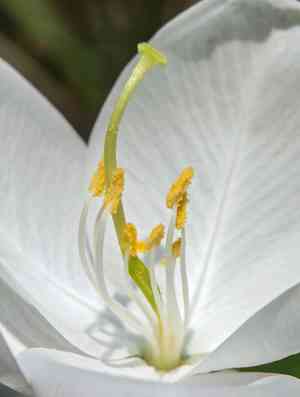
Dwarf white bauhinia showcases beautiful white flowers during its blooming period.
3
Consistent trimming aids in preserving the vitality and appearance of Dwarf white bauhinia.
Introducing Dwarf white bauhinia to Your Garden
Understanding the Size and Growth Habits of Dwarf white bauhinia
The initial step to integrating Dwarf white bauhinia into your outdoor design involves grasping its dimensions and growth patterns. Dwarf white bauhinia is recognized for its manageable proportions, frequently reaching heights and widths suitable for diverse garden areas. It typically attains a moderate stature, allowing for effortless incorporation into both compact and expansive gardens. Its growth habit is generally upright, making it ideal for adding vertical interest without dominating the space. By comprehending the size and growth characteristics of Dwarf white bauhinia, you can better plan its placement within your garden scheme.
Seasonal Blooms: When Does Dwarf white bauhinia Flower?
A most captivating attribute of Dwarf white bauhinia is its seasonal flowering. This plant is renowned for its striking white flowers that emerge during its blooming period, typically in warmer months. The sight of Dwarf white bauhinia in full bloom imparts a refreshing and tranquil quality to any garden. Gardeners often anticipate this time as it delivers a significant visual impact. Knowing the flowering season of Dwarf white bauhinia enables you to design your garden for continuous appeal and beauty throughout the year. Position Dwarf white bauhinia where its blossoms can be fully enjoyed, perhaps near seating areas or windows for appreciation both indoors and out.
The Aesthetic Appeal of Dwarf white bauhinia's White Blossoms
The white flowers of Dwarf white bauhinia possess a distinct aesthetic charm that can significantly elevate your landscape's appearance. These blooms not only offer visual pleasure but also establish a crisp, clean contrast against your garden's greenery. The white hue of the flowers makes them adaptable for various garden styles, from modern to traditional. Furthermore, the elegance of the white blossoms can serve as an ideal backdrop for other colorful plants in your garden, fostering a harmonious and visually engaging environment. By incorporating Dwarf white bauhinia into your landscape, you introduce a touch of purity and sophistication.
Ideal Locations for Planting Dwarf white bauhinia
Sunlight and Shade: Finding the Perfect Spot
When cultivating Dwarf white bauhinia, choosing the correct site is vital for its development and flowering. This plant flourishes in locations where it can receive ample sunlight, generally requiring at least six hours of direct sun daily. However, Dwarf white bauhinia can also endure partial shade, particularly in hotter climates where some afternoon shade might shield it from intense heat. By observing your garden and noting sun and shade patterns, you can select the optimal position for Dwarf white bauhinia. Ensuring sufficient sunlight will not only encourage healthy growth but also enhance its blooming potential, allowing you to fully enjoy its beautiful flowers.
Soil Requirements for Optimal Growth
The soil in which you plant Dwarf white bauhinia plays a crucial role in its development and vitality. This plant prefers well-draining soil, which helps prevent waterlogging that can lead to root decay. A blend of loamy or sandy soil enriched with organic matter is ideal. Before planting, testing your soil can offer insights into its pH level and nutrient content, enabling you to amend it as needed. Adding compost or well-rotted manure can improve soil fertility and structure, supporting the robust growth of Dwarf white bauhinia. Proper soil preparation ensures that Dwarf white bauhinia receives adequate nutrients and maintains good drainage, promoting long-term health and vigor.
Space Considerations: How Much Room Does Dwarf white bauhinia Need?
Planning the area for Dwarf white bauhinia is essential to ensure it has sufficient room to grow without becoming constricted. While Dwarf white bauhinia is relatively compact, it still requires adequate space for its branches and roots to spread comfortably. Allow enough distance (approximately 3-6 feet) between Dwarf white bauhinia and other plants or structures to prevent overcrowding and to facilitate good air circulation, which reduces disease risk. Proper spacing also simplifies maintenance tasks like pruning and weeding. By providing Dwarf white bauhinia with the right amount of space, you guarantee it has the conditions needed to thrive and enhance your garden's overall aesthetic.
Complementing Plants: What Pairs Well with Dwarf white bauhinia?
Choosing Companion Plants for Visual Harmony
Pairing Dwarf white bauhinia with suitable companion plants can create a visually balanced garden. Consider plants with contrasting colors or textures to complement the white blossoms of Dwarf white bauhinia. For instance, vibrant perennials or annuals such as marigolds, petunias, or salvias can introduce vivid hues that make the white flowers of Dwarf white bauhinia stand out. Additionally, foliage plants like hostas or ferns can provide a lush green backdrop, enhancing the overall aesthetic. By carefully selecting companion plants, you cultivate a dynamic and visually appealing garden that accentuates the beauty of Dwarf white bauhinia.
Understanding Inter-plant Relationships
Grasping how different plants interact can help you establish a flourishing garden environment. Dwarf white bauhinia can benefit from being planted alongside species that share similar water and sunlight requirements. For example, drought-tolerant plants can be appropriate companions, ensuring all your garden plants thrive under the same care regimen. Furthermore, consider plants that attract beneficial insects, such as bees and butterflies, which can aid in pollination. Complementing Dwarf white bauhinia with plants that support its growth fosters a balanced ecosystem where all plants can prosper.
Case Studies: Successful Garden Layouts with Dwarf white bauhinia
Examining successful garden designs can offer inspiration for integrating Dwarf white bauhinia into your own landscape. For instance, some gardeners have positioned Dwarf white bauhinia as a focal point in their garden beds, surrounded by a mix of ground covers and mid-height perennials. Others utilize Dwarf white bauhinia in a patio setting, where its blooms can be admired up close. By studying these arrangements, you can gather ideas on how to effectively use Dwarf white bauhinia in your garden. Whether as a centerpiece or as part of a mixed border, Dwarf white bauhinia can enhance various garden designs.
Seasonal Care Tips for Maintaining Dwarf white bauhinia's Beauty
Watering Schedules Across the Seasons
Appropriate watering is crucial for preserving the health and beauty of Dwarf white bauhinia. During the active growth period, consistent watering is essential, especially during dry spells. However, be careful to avoid overwatering, as this can lead to root rot. In the dormant season, reduce irrigation to prevent waterlogged soil. Establishing a regular watering schedule helps ensure that Dwarf white bauhinia remains healthy and vibrant throughout the year. Mulching around the plant's base can also help retain moisture and regulate soil temperature. By adjusting watering practices seasonally, you can support the long-term well-being of Dwarf white bauhinia.
Handling Pests and Diseases Common to Dwarf white bauhinia
Like all flora, Dwarf white bauhinia is susceptible to certain pests and diseases. Common issues include aphids, spider mites, and fungal infections. Regularly inspecting your plant for signs of pests or disease allows for prompt intervention. Utilizing natural insecticides or introducing beneficial insects can help manage pest populations. For fungal diseases, ensuring good air circulation and avoiding overhead watering can lessen the risk. Swiftly removing affected plant parts can also prevent disease spread. By being proactive in pest and disease management, you can keep Dwarf white bauhinia healthy and flourishing.
Pruning Techniques for Health and Aesthetics
Pruning is a vital maintenance task that promotes the health and visual appeal of Dwarf white bauhinia. Regularly removing dead or damaged branches encourages new growth and prevents disease spread. Pruning also helps shape the plant, maintaining its desired size and form. The optimal time to prune Dwarf white bauhinia is after its flowering season, allowing you to enjoy its blooms without interruption. Using sharp, clean tools reduces the risk of damage and infection. By incorporating proper pruning techniques, you can enhance the overall appearance and health of Dwarf white bauhinia, ensuring it remains a prominent feature in your garden.
Long-term Benefits of Including Dwarf white bauhinia in Your Landscape
Enhancing Property Value with Dwarf white bauhinia
Incorporating Dwarf white bauhinia into your landscape can significantly boost your property's value. Its beautiful white blossoms and well-kept appearance add curb appeal, making your home more attractive to prospective buyers. A thoughtfully designed garden featuring Dwarf white bauhinia can create a welcoming and aesthetically pleasing environment that stands out in your neighborhood. Investing in your garden with plants like Dwarf white bauhinia not only provides immediate visual benefits but also contributes to your property's long-term worth.
Environmental Benefits of Growing Dwarf white bauhinia
Dwarf white bauhinia offers several environmental advantages that contribute to a healthy garden ecosystem. This plant can improve air quality by absorbing pollutants and releasing oxygen. Its blossoms attract pollinators such as bees and butterflies, which are crucial for your garden's health. Additionally, planting Dwarf white bauhinia can help reduce soil erosion with its root system. By including Dwarf white bauhinia in your landscape, you support biodiversity and contribute to a more sustainable environment.
Enjoying Year-round Interest in Your Garden
One of the significant long-term advantages of Dwarf white bauhinia is the continuous interest it adds to your garden. Even when not in bloom, Dwarf white bauhinia provides attractive foliage and structural form that enhance the garden's visual appeal. Its seasonal transformations, from blooms to leaves, ensure there is always something to appreciate in your garden. By including Dwarf white bauhinia, you create a dynamic and engaging garden space that offers beauty and interest throughout the year.



