Enhancing Your Garden Design with the Cast-iron plant Plant: A Landscaping Guide
1
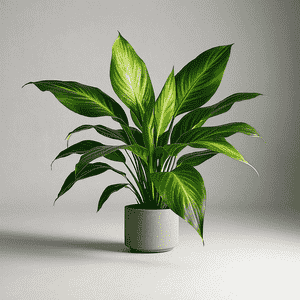
Perfect for city gardens and expansive outdoor areas, the Cast-iron plant is gaining popularity in contemporary landscape design.
2
The Cast-iron plant needs little upkeep, making it an economical option for both public and private environments.
3
Its evergreen characteristic guarantees continuous aesthetic appeal throughout the year in any garden arrangement.
Introducing Aspidistra elatior in Contemporary Landscape Design
The Increasing Appeal of Aspidistra elatior for Urban Green Spaces
Urban gardening is expanding, with many city dwellers seeking green areas in confined spaces. Aspidistra elatior has gained favor due to its capacity to flourish in low-light settings, making it ideal for shaded city gardens. Furthermore, its robust nature and minimal care requirements mean even new gardeners can enjoy its advantages. The aesthetic charm of its broad, dark green leaves adds sophistication to urban landscapes, making it a versatile option for various design concepts.
Primary Reasons to Select Aspidistra elatior for Public & Private Areas
Aspidistra elatior is an excellent choice for both public parks and private gardens. Its resistance to pollution and ability to endure diverse weather conditions make it perfect for urban and suburban environments. Moreover, Aspidistra elatior can be used to establish a sense of continuity and unity in landscaping projects, offering a rich background against which other plants and features can stand out. Whether used as a groundcover or an accent plant, Aspidistra elatior enhances the overall visual appeal and utility of a garden.
Design Principles Incorporating Aspidistra elatior
Utilizing Aspidistra elatior for Shade and Seclusion
A significant benefit of Aspidistra elatior is its capability to form natural privacy screens and shaded retreats in your garden. Planting Aspidistra elatior along fences or around seating areas provides a dense, lush backdrop that adds both aesthetic and practical value. Its tall, broad leaves can help obscure undesirable views and create a tranquil garden sanctuary. Additionally, Aspidistra elatior is excellent for underplanting beneath larger tree canopies, contributing to layered garden designs that offer multiple levels of visual interest and privacy.
Complementary Plants and Elements Alongside Aspidistra elatior
To maximize the effect of Aspidistra elatior in your landscape design, consider pairing it with complementary plants and features. Ferns, hostas, and other shade-loving perennials pair well with Aspidistra elatior, creating diverse textures and colors. Incorporating hardscape elements such as stone pathways or garden benches can also accentuate the natural beauty of Aspidistra elatior. Water features, like small fountains or ponds, contrast beautifully with the plant's rich foliage, adding a dynamic element to the landscape. These combinations can transform a simple garden into a multi-sensory experience.
Low Maintenance Advantages of Aspidistra elatior
How Aspidistra elatior Reduces Landscape Upkeep Expenses
Choosing Aspidistra elatior for your landscaping project can significantly decrease maintenance time and costs. This plant is incredibly low-maintenance; it requires minimal watering and is resistant to most common pests and diseases. As a slow grower, Aspidistra elatior doesn't need frequent pruning or trimming, allowing you more time to enjoy your garden rather than tending to it. For public spaces, this translates into lower upkeep costs, ensuring that your landscape remains attractive and vibrant with minimal effort.
Durability and Resilience: Sustainable Aspects of Aspidistra elatior
Aspidistra elatior is not only easy to maintain but also a sustainable option for your landscape. Its longevity and resistance to adverse conditions mean it can thrive for years without needing replacement, reducing waste and the need for new plantings. Additionally, Aspidistra elatior's ability to grow in less-than-ideal soil conditions makes it an ideal plant for areas where other plants might struggle. By selecting Aspidistra elatior, you're investing in a sustainable, long-term solution for a beautiful garden.
Seasonal Influence of Aspidistra elatior in Landscaping
Year-Round Visual Appeal with Aspidistra elatior
One of the prominent characteristics of Aspidistra elatior is its evergreen nature, which ensures your garden remains visually appealing throughout the year. While many plants tend to shed their leaves or die back in colder months, Aspidistra elatior retains its lush, green foliage. This consistent presence helps maintain the garden's structure and aesthetic charm, providing a dependable backdrop for seasonal flowers and landscape changes. Whether it's the peak of summer or the depths of winter, Aspidistra elatior adds a touch of greenery and vitality to your outdoor area.
Preparing Aspidistra elatior for Seasonal Transitions
Despite its robust nature, a little preparation can help Aspidistra elatior flourish through seasonal changes. In colder climates, adding a layer of mulch around the base can protect the roots from extreme temperatures. During spring and summer, regular but minimal watering will support its growth, especially in drought-prone areas. Though Aspidistra elatior is generally pest-resistant, monitoring for any signs of trouble and addressing them promptly will ensure the plant remains healthy year-round. Implementing these simple measures will enable Aspidistra elatior to continue enhancing your landscape, regardless of the season.



