Enhancing Your Garden Design with the Foxtail fern Plant: A Landscaping Guide
1
The foxtail fern offers a distinct texture, enhancing the richness of any garden space.
2
It flourishes across diverse light environments, making it adaptable for landscape design.
3
Foxtail fern needs little upkeep, ideal for individuals with limited time for gardening.
Grasping the Aesthetic Appeal of Foxtail Fern
Distinctive texture and form of Foxtail fern
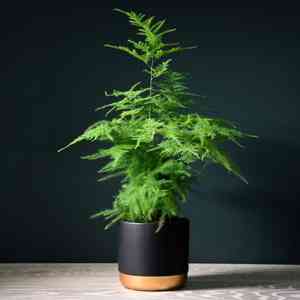
The singular texture and form of Foxtail fern can instantly draw attention in any outdoor setting. Its arching, plume-like fronds create a rich, feathery look that stands out among other shrubs and ground covers. This unique texture offers excellent contrast when paired with plants possessing broader leaves or sturdier stems, adding a dynamic visual element to your garden.
Color variations and their seasonal influence
Foxtail fern is primarily recognized for its vivid green shades, which remain consistent throughout the year. This perpetual greenery ensures your garden stays lush and vibrant, even during colder periods when many other plants might fade. The plant's steady color can serve as a constant backdrop against which seasonal blooms can shine, creating a balanced and visually pleasing garden year-round.
Growth habit and size considerations
Foxtail fern typically develops into a compact, bushy form, reaching approximately 2 feet in height and spreading about 3-4 feet wide. Its growth pattern is particularly useful for filling empty spaces in garden beds or acting as a ground cover. When planning your landscape, consider utilizing Foxtail fern to establish borders or as a filler plant to seamlessly connect different areas of your garden.
Integrating Foxtail Fern into Various Landscape Styles
Companion plants for a unified appearance
Pairing Foxtail fern with complementary plants is crucial for achieving a unified look in your garden. Consider combining it with flowering perennials such as lavender or geraniums, which can introduce bursts of color while the green fronds of Foxtail fern provide a consistent background. Additionally, other ferns and low-growing shrubs can create a layered effect, adding depth and texture to your landscape design.
Utilizing Foxtail fern in formal gardens
Foxtail fern can be an excellent addition to formal gardens that prioritize structure and symmetry. Its well-defined shape can be employed to create uniform borders or to line pathways, helping to direct the eye and delineate the space. You can also strategically place Foxtail fern within a meticulously maintained garden to break up visual monotony while preserving a controlled and orderly aesthetic.
Incorporating Foxtail fern in contemporary landscapes
In modern landscape designs, where clean lines and minimalism are often paramount, Foxtail fern can function as a softer, textural component. Its feathery fronds introduce a touch of natural wildness that beautifully contrasts with modern materials like concrete and metal. Try integrating Foxtail fern in planters with sleek designs or using it to soften the edges of paved areas and walkways.
Practical Advice for Landscaping with Foxtail Fern
Optimal placement and spacing for development
Foxtail fern thrives best when given ample room to grow. Position individual plants about 2 to 3 feet apart to allow for sufficient air circulation and expansion. Place them in areas where their fronds can arch naturally without crowding other plants. This will ensure each plant reaches its full potential without competing for resources.
Soil and light preferences
Foxtail fern prefers well-drained soil rich in organic matter. Regarding sunlight, Foxtail fern is quite adaptable; it can flourish in both full sun and partial shade. However, it tends to perform best in bright, indirect light. If planted in full sun, ensure the soil remains consistently moist to prevent the fronds from scorching.
Maintaining Foxtail fern in diverse climates
Foxtail fern is a resilient plant that can adapt to various climates. In colder regions, a layer of mulch can help protect the roots during winter. For warmer climates, ensure the plant receives adequate water, especially during dry periods. Regular trimming of old or yellowing fronds will keep the plant looking lush and healthy throughout the year.
Advantages of Using Foxtail Fern in Your Landscape
Environmental benefits of planting Foxtail fern
Foxtail fern contributes positively to the environment by enhancing air quality and reducing soil erosion. Its dense foliage provides habitat for beneficial insects and small wildlife, fostering biodiversity in your garden. Furthermore, the plant's ability to thrive in various conditions makes it an excellent choice for sustainable landscaping.
Low upkeep and resilience
One of the primary benefits of Foxtail fern is its minimal maintenance requirements. Once established, it needs little watering and is relatively pest-resistant. This makes it an ideal choice for both beginner gardeners and those who prefer a low-maintenance landscape. Its durability also ensures it remains a lasting feature in your garden for many years.
Boosting property value with aesthetic enhancements
Incorporating Foxtail fern into your landscape design can significantly elevate the aesthetic appeal of your property. A well-designed garden featuring Foxtail fern can improve curb appeal and potentially increase property value. The plant's unique appearance and low maintenance needs make it an attractive selling point for prospective buyers seeking a beautiful yet manageable garden.



