Enhancing Your Garden Design with the Cherimoya Plant: A Landscaping Guide
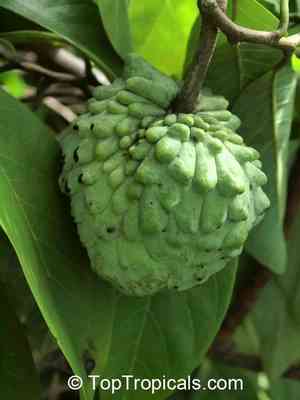
1
Cherimoya flourishes in rich, well-draining earth under abundant sun.
2
Cherimoya contributes a distinct texture to plant arrangements, boosting your garden's aesthetic.
3
Thoughtful companion planting alongside Cherimoya can optimize development and fruit yield.
Appreciating the Visual Qualities of Cherimoya
Distinctive leaf texture and hue of Cherimoya
A prominent characteristic of Cherimoya is its singular leaf texture and coloration. Its leaves possess a lustrous, deep green surface that beautifully reflects light and offers a pleasing contrast with various other garden flora. The somewhat leathery feel adds an exotic flair, making Cherimoya an ideal centerpiece in your landscape design. Furthermore, it maintains its vibrant color throughout the year, ensuring your garden consistently appears verdant.
Seasonal transformations to expect with Cherimoya
When incorporating Cherimoya into your garden, understanding its seasonal changes is crucial. This plant undergoes subtle shifts in leaf color as seasons progress, offering an evolving visual element to your landscape. Anticipate gentle transitions from deep green to lighter tones throughout the year. This seasonal dynamic guarantees your garden never seems monotonous and always presents something new visually.
Cherimoya's flowering and fruiting cycles
Another appealing aspect of Cherimoya is its bloom and fruit production timeline. Typically, Cherimoya flowers in late spring, producing charming creamy white blossoms that lend a delicate touch to your garden. These flowers eventually develop into its renowned fruits, which mature over the summer and into early autumn. This cycle means that for much of the year, Cherimoya will either be in flower or bearing fruit, both of which enhance your landscape's visual and practical value.
Selecting the Best Spot for Cherimoya in Your Garden
Sunlight requirements for Cherimoya
Cherimoya needs ample sunlight to flourish. For optimal development, place the plant where it can receive at least six to eight hours of direct sun daily. While it can endure partial shade, particularly during the hottest parts of the day, it will perform better and yield more fruit with sufficient sunlight.
Cherimoya's preferred soil conditions
Soil quality is vital for Cherimoya's successful growth. This plant favors well-drained, fertile soils rich in organic matter. If your garden soil is heavy or clay-like, consider enriching it with compost or other organic materials to improve drainage and nutrient content. Ensuring the soil is slightly acidic to neutral will also aid in achieving the best growth.
Spacing and placement recommendations for Cherimoya
Proper spacing is essential when planting Cherimoya. Ensure each plant has adequate room to reach its full potential without competing for resources. A distance of approximately 15-20 feet between plants is generally advised. Positioning Cherimoya where it is shielded from strong winds will also safeguard its delicate flowers and developing fruits.
Companion Planting Concepts for Cherimoya
Plants that complement Cherimoya in a mixed border
Integrating Cherimoya into a mixed border can improve both the beauty and health of your garden. Plants such as lavender, rosemary, and thyme can serve as excellent companions. Their contrasting textures and colors can highlight Cherimoya's glossy green leaves, while their growth habits won't aggressively compete for space, light, or nutrients.
Plants to avoid cultivating near Cherimoya
While Cherimoya pairs well with many plants, refrain from planting it near others that demand significantly different soil or light conditions, such as those preferring consistently moist or extremely arid environments. Additionally, plants susceptible to pests or diseases that could affect Cherimoya should be avoided. This helps prevent cross-contamination risks and ensures a healthier growing environment.
Advantages of strategic companion planting with Cherimoya
Thoughtful companion planting can offer numerous benefits for Cherimoya. Certain plants can help deter pests, attract beneficial insects, or enhance soil fertility. For instance, planting marigolds nearby can help repel nematodes, while legumes like beans can enrich the soil with nitrogen. This holistic approach not only supports plant health but also boosts your garden's overall productivity and beauty.
Integrating Cherimoya into Various Garden Styles
Utilizing Cherimoya in formal garden designs
Cherimoya can be a striking addition to formal gardens, where symmetry and precise arrangements are paramount. Its structured growth habit and elegant foliage make it suitable for formal layouts. You can plant Cherimoya along pathways or as part of a geometric planting scheme to emphasize its natural grace and define garden areas.
Incorporating Cherimoya into cottage garden aesthetics
Cottage gardens, known for their informal and diverse style, greatly benefit from Cherimoya's inclusion. It adds a touch of structure and greenery amidst the vibrant array of colors and blooms typical of cottage gardens. Place Cherimoya towards the rear of flower beds, allowing its height to provide a lush, green backdrop for shorter, more colorful flowers.
Modern landscapes and Cherimoya's contribution
In modern landscape designs, which often prioritize clean lines and minimalist planting, Cherimoya can serve as a focal point. Its distinctive leaf texture and occasional flowers can add subtle color and interest without overpowering the simple style. Use Cherimoya as a central feature, perhaps in a decorative container or as a standalone specimen to attract attention and create visual appeal.



