Enhancing Your Garden Design with the Giant taro Plant: A Landscaping Guide
1
Alocasia macrorrhiza brings a vibrant, exotic touch to any garden layout.
2
Alocasia macrorrhiza flourishes in locations with partial shade, offering flexibility for different garden placements.
3
Adequate spacing and care are crucial for promoting robust growth in Alocasia macrorrhiza.
Introducing Giant Taro to Your Landscape
Appreciating the visual appeal of Giant Taro
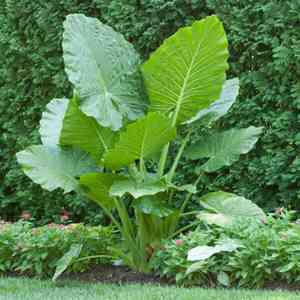
Giant taro is a striking plant that can instantly enhance your garden's appearance. With its large, heart-shaped leaves, it brings a lush, tropical feel to any outdoor area. The plant's bold foliage and impressive height create a dramatic backdrop, making it a central feature in garden designs. Whether you're aiming for a peaceful retreat or an exotic paradise, Giant taro adds a captivating and distinctive touch.
Key features that make Giant Taro an excellent garden choice
Giant taro is known for its impressive size, reaching several feet tall. Its leaves, often likened to elephant ears, are not only beautiful but also practical, offering significant coverage and shade. This plant is also relatively easy to cultivate and care for, making it a great option for both new and experienced gardeners. Furthermore, Giant taro is quite resilient, capable of flourishing in various conditions, which adds to its appeal.
How Giant Taro compares to other popular garden plants
Compared to other common landscaping plants, Giant taro stands out due to its size and unique leaf structure. Unlike typical ornamental plants such as ferns or small palms, Giant taro provides a substantial visual impact with minimal effort. While some plants demand specific conditions or intensive care, Giant taro's adaptability allows it to thrive even in less-than-ideal environments. This flexibility, combined with its striking look, makes it a preferred choice for those seeking to easily add a dramatic element to their garden.
Optimal Conditions for Cultivating Giant Taro in Your Garden
Ideal light exposure and shade requirements
Giant taro prefers partial shade to full sun. While it can endure full sun in cooler climates, providing some shade during the hottest part of the day will help prevent leaf burn. Optimal conditions involve filtered sunlight, mimicking the plant's natural habitat beneath larger tree canopies. Ensuring the plant receives sufficient light without excessive direct exposure will support its lush, vibrant growth.
Soil type and drainage necessities
Giant taro thrives in well-draining, fertile soil. The plant prefers soil rich in organic matter, which helps it retain moisture without becoming waterlogged. Good drainage is crucial to prevent root rot, a common issue for this plant. Incorporating compost or aged manure into the soil can improve its nutrient content and structure, providing an ideal growing medium for Giant taro.
Space and distance considerations for growth
When planting Giant taro, it's important to consider its mature size. Allowing ample space between Giant taro and other plants or structures ensures it has room to grow and spread. Typically, a spacing of 3-4 feet between individual plants is recommended. This not only accommodates its robust growth but also improves air circulation around the plant, reducing the risk of fungal infections.
Design Concepts and Creative Applications of Giant Taro in Landscaping
Integrating Giant Taro into tropical-themed gardens
To create a tropical-themed garden, Giant taro is an essential component. Its large, exotic leaves pair perfectly with other tropical plants like hibiscus and bird of paradise. Adding elements such as bamboo, ferns, and water features can further enhance the tropical atmosphere. Giant taro's ability to offer shade and visual drama makes it a central figure in achieving this lush, vibrant look.
Utilizing Giant Taro as a natural privacy screen or border
With its impressive height and dense foliage, Giant taro can serve as an effective natural screen for privacy or as a boundary marker. Planting Giant taro along the edges of your property or around a seating area can create a secluded, intimate space. This is a great alternative to traditional fences or walls, providing a green, living barrier that enhances your garden's aesthetic appeal.
Plant combinations to boost visual appeal
Combining Giant taro with a variety of other plants can create a dynamic and visually engaging garden. Consider pairing it with contrasting textures and colors, such as the delicate fronds of ferns or the bright blooms of cannas. Ground cover plants like hostas or small ferns can complement Giant taro's bold presence while adding layers and depth to your landscape.
Seasonal considerations for preserving Giant Taro's aesthetic value
Seasonal changes can impact Giant taro's appearance and health. In colder months, it's crucial to protect it from frost, either by moving potted plants indoors or covering ground plants with mulch. During the growing season, regular feeding with a balanced fertilizer supports vigorous growth. Adjusting water levels according to seasonal rainfall and temperature changes ensures Giant taro remains healthy and vibrant throughout the year.
Caring for and Managing Giant Taro Across Seasons
Watering practices for optimal development
Giant taro requires consistent moisture to flourish. During the growing season, regular watering is essential, especially in dry periods. However, the key is to keep the soil moist but not waterlogged. Reducing watering frequency in the dormant season helps prevent root rot. Mulching around the plant's base can also conserve moisture and decrease watering frequency.
Pruning and maintenance to keep Giant Taro looking its best
Regular upkeep, including the removal of dead or damaged leaves, helps keep Giant taro looking fresh and healthy. Pruning spent leaves also promotes air circulation, reducing the risk of fungal diseases. Inspecting the plant regularly for pests and treating any infestations promptly ensures that Giant taro remains vigorous and attractive.
Addressing common issues with Giant Taro during harsh weather
Giant taro is relatively hardy but can face challenges in extreme weather. During periods of heavy rain, ensuring adequate drainage prevents root problems. In high winds, staking young plants can provide support and prevent damage. Preparing Giant taro for winter by insulating the roots and providing shelter from frost can help it survive and thrive in the next growing season.



