Enhancing Your Garden Design with the Black garlic Plant: A Landscaping Guide
1
The flowers of black garlic possess distinct aesthetic qualities capable of enhancing any garden area.
2
Black garlic is suitable for integration into modern, classic, and understated garden schemes.
3
Correct timing for planting black garlic according to the season guarantees peak development and vividness.
Exploring the Visual Appeal of Black garlic
Appearance Traits: What Makes Black garlic Stand Out in Garden Settings
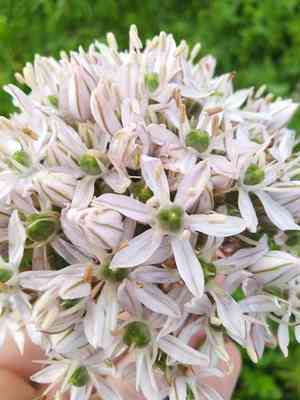
The distinct visual attributes of Black garlic make it prominent in any garden area. Its striking dark-hued flowers offer a captivating contrast against the typical green foliage and brighter shades of garden flora. This deep, rich coloration can introduce a sense of sophistication and intrigue to your garden. Furthermore, Black garlic's spherical flower heads and tall, slender stems provide structural interest, adding both height and texture to your flowerbeds or borders.
Seasonal Transformations: How Black garlic's Look Changes Throughout the Year
Black garlic exhibits a fascinating evolution across the seasons. In spring, Black garlic begins to form buds, with its flower heads gradually unfurling to reveal their full, opulent beauty. By summer, the blossoms typically reach their peak, dominating the garden with their impressive color. As autumn arrives, the flowers may fade, but the plant's structure still offers visual appeal. Even in winter, the dried flower heads can contribute a unique element to the scenery, making Black garlic an engaging and dynamic plant year-round.
Integrating Black garlic into Various Landscaping Designs
Modern Gardens: Incorporating Black garlic for a Contemporary Look
In modern gardens, clean lines and bold forms are essential. Black garlic fits seamlessly into these designs with its sleek, architectural silhouette. Arranging Black garlic in geometric patterns or alongside contemporary materials like concrete and steel can enhance the modern aesthetic. Its striking color contrasts well with minimalist planting schemes, serving as a focal point without overwhelming the space.
Traditional Landscapes: Utilizing Black garlic to Enhance Classic Garden Layouts
For traditional landscapes, Black garlic can introduce an unexpected yet harmonious element. Its timeless beauty complements classic design features such as stone pathways, wrought iron accents, and lush greenery. By positioning Black garlic alongside more conventional garden flowers, it can provide a counterpoint that brings a refreshing yet cohesive appearance to the garden.
Minimalist Approaches: How Black garlic Complements Sparse Environments
In minimalist garden settings, simplicity is paramount. Black garlic thrives in these environments by delivering significant visual impact without requiring numerous plants. One or two strategically placed Black garlic plants can act as striking focal points, offering an elegant simplicity that perfectly aligns with minimalist design principles.
Seasonal Planting Advice for Black garlic
Optimal Planting Time for Black garlic for Best Growth
Planting Black garlic at the correct time is vital for robust growth and vibrant blooms. The ideal period to plant Black garlic bulbs is in the autumn, preferably a few weeks before the initial frost. This allows the roots to establish themselves prior to winter's arrival, ensuring a strong start in spring. Precise timing of your planting can lead to healthier plants and more abundant flowering.
Preparing the Ground for Planting Black garlic
Preparing your garden for Black garlic involves several key steps to ensure success. First, select a well-draining location with full to partial sunlight. Loosen the soil and enrich it with compost to improve fertility. Plant the bulbs at a depth approximately three times their height, spacing them adequately to accommodate their growth. Mulch the area to retain moisture and provide a protective layer against cold. These preparatory actions can significantly impact the health and vigor of your Black garlic plants.
Addressing Common Issues with Black garlic in Landscaping
Managing Expansion: Controlling the Spread of Black garlic
While Black garlic is generally well-behaved, managing its growth is important to prevent it from dominating other plants in your landscape. To control its spread, regularly monitor any undesirable growth and remove it promptly. Removing spent blooms can prevent self-seeding, and dividing the bulbs every few years can ensure each plant has sufficient space and resources to flourish. These proactive measures can keep your garden looking tidy and balanced.
Environmental Factors: Understanding Black garlic's Needs
Understanding Black garlic's environmental requirements is crucial for its success in your garden. Black garlic prefers a sunny spot with well-draining soil. It is drought-tolerant, making it a low-maintenance option for areas prone to dry spells. However, it's also important to ensure they receive adequate water during the growing season to encourage healthy development. Regular checks for pests and diseases, combined with good garden hygiene, will help maintain the plants' health and vitality.



