Enhancing Your Garden Design with the False aloe Plant: A Landscaping Guide
1
False aloe needs little water and attention, making it an easy-care choice for residents.
2
Beyond its impressive look, False aloe offers ecological advantages like stabilizing soil.
3
Pairing False aloe with suitable plants can boost your garden's visual charm.
Grasping the Function of False Aloe in Outdoor Design
Why Opt for False Aloe in Your Garden?
Selecting False aloe for your garden offers numerous advantages. A key reason is its minimal upkeep. Unlike certain other decorative plants, False aloe doesn't demand frequent irrigation or intricate care regimens. This makes it an excellent option for busy homeowners or novice gardeners. Furthermore, False aloe is renowned for its resilience across various soil types and environmental conditions, ensuring its prosperity with little intervention.
The Visual Charm of False Aloe
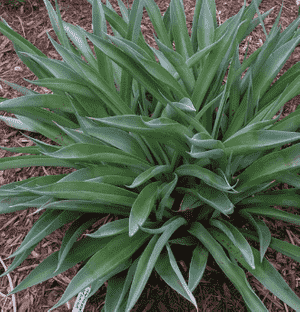
False aloe distinguishes itself through its striking appearance. Its distinctive foliage and structural form can impart a unique and dramatic flair to any garden. Whether utilized as a focal point or integrated into a broader planting scheme, False aloe provides visual interest with its bold, architectural shape. Its vivid green leaves can complement other colorful elements in your garden, leading to a balanced and captivating landscape design.
Ecological Advantages of Cultivating False Aloe
Cultivating False aloe extends beyond aesthetics and ease of maintenance. This plant contributes to the environment by enhancing soil stability and reducing erosion. Its extensive root system aids in preserving soil integrity, especially on sloped terrains. Additionally, False aloe supports local wildlife, offering a habitat for insects and other small creatures. This ecological benefit is an added plus for gardeners aiming to boost biodiversity in their landscapes.
Crafting Your Landscape with False Aloe
Optimal Placement of False Aloe in Gardens
To maximize the impact of False aloe in your landscape, thoughtful placement is crucial. This plant thrives in areas receiving full sun to partial shade. Positioning False aloe in well-drained soil will ensure its vigor. It's ideal to place False aloe where it can serve as a prominent centerpiece or along pathways to create an inviting border. By strategically placing False aloe, you can amplify its visual appeal and ensure it becomes an integral part of your garden's design.
Complementary Plants for False Aloe
Choosing suitable companion plants can enhance False aloe's beauty and create a visually harmonious garden. Consider pairing False aloe with other drought-tolerant plants like succulents or ornamental grasses. These plants not only complement False aloe's aesthetic but also share similar care needs, ensuring a cohesive planting arrangement. Moreover, incorporating flowering perennials can introduce splashes of color that beautifully contrast with False aloe's green hues.
Seasonal Considerations for False Aloe
Understanding seasonal shifts is vital for maintaining a vibrant landscape year-round. False aloe is relatively robust and can endure a range of temperatures, but it's still important to shield it from extreme cold or severe frost. In colder climates, consider applying mulch around the base to insulate the roots during winter. During the active growing season, ensure False aloe receives adequate sunlight and water, adjusting care routines as needed based on weather conditions.
Upkeep Advice for False Aloe in Landscapes
Practical Irrigation and Fertilization
A desirable characteristic of False aloe is its low water requirement. Once established, False aloe can flourish with minimal watering, making it ideal for arid regions. Water False aloe deeply but infrequently, allowing the soil to dry out between sessions. Overwatering can lead to root rot, so maintaining a balance is crucial. Additionally, False aloe typically doesn't need heavy feeding. A light application of a balanced fertilizer during the growing season will suffice to keep it healthy.
Sunlight and Temperature Needs
For optimal development, False aloe requires ample sunlight. Aim to plant it in spots that receive at least six hours of direct sunlight daily. Although False aloe can tolerate partial shade, full sun will promote vigorous growth and vibrant foliage. Temperature-wise, False aloe is resilient and adaptable, but extreme cold should be avoided. If you're in a region with harsh winters, consider providing some protection or moving potted plants indoors during cold spells.
Managing False Aloe's Growth
Managing False aloe's growth is straightforward, especially given its moderate growth rate. Regular trimming helps maintain its form and prevents it from becoming too leggy. Remove any dead or damaged leaves to keep the plant looking its best. If you notice False aloe outgrowing its space, consider dividing it and replanting sections in other areas of your garden. This not only controls its size but also propagates the plant, expanding its presence in your landscape.



