Enhancing Your Garden Design with the Rough century plant Plant: A Landscaping Guide
1
Agave asperrima is recognized for its impressive appearance and minimal water requirements, making it ideal for drought-tolerant landscaping.
2
Strategic positioning of Agave asperrima can improve both the beauty and environmental benefit of your outdoor space.
3
Accompanying flora should be selected thoughtfully to achieve a cohesive and pleasing garden design.
Discovering the Distinct Charm of Rough century plant
Examining the visual traits that distinguish Rough century plant
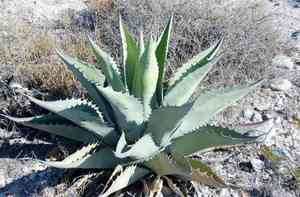
Rough century plant is a visually striking specimen, known for its sturdy and rugged appearance. It features thick, succulent leaves with a unique coarse texture, creating an interesting visual contrast in any garden. These robust leaves can extend several feet, forming a majestic and imposing rosette. The grayish-green hue of its foliage can either blend in or stand out, depending on your landscape design, and its occasional flowering stalks add a singular architectural element, making Rough century plant a prominent centerpiece.
Advantages of Rough century plant in landscaping: Beauty and ecological impact
Integrating Rough century plant into your landscape offers several key benefits. Aesthetically, it introduces a bold and dramatic element to your garden that is hard to replicate. Its strong structure and striking look can serve as a focal point or complement other plants. Ecologically, Rough century plant is a resilient plant requiring minimal water, making it an excellent choice for arid regions. Furthermore, it provides shelter and nectar for various pollinators, supporting local biodiversity. Its hardiness and low maintenance needs allow it to thrive in challenging conditions where other plants might struggle, offering an ecological advantage.
Choosing the Perfect Spot for Rough century plant in Your Garden
Factors to consider when selecting a site for Rough century plant
Selecting the appropriate location for Rough century plant in your garden is vital for its development and your landscape's overall harmony. First, consider the plant's mature size and ensure it has ample space to grow without crowding other plants. It's advisable to position Rough century plant where it can act as a focal point or contribute to a broader garden design narrative. Think about its visibility from different angles and how it might interact with existing garden features. Remember, Rough century plant has sharp spines and should be placed away from high-traffic areas to prevent accidental injury.
How sunlight exposure and soil composition affect Rough century plant
Sunlight exposure and soil type are crucial elements for the successful cultivation of Rough century plant. This plant thrives in full sun, needing at least six hours of direct sunlight daily. It can tolerate partial shade but performs best in bright conditions. Regarding soil, Rough century plant prefers well-draining soil and can adapt to various soil types, from sandy to rocky terrains. Avoid overly moist or clay-heavy soils, as these can lead to root rot. Improving drainage with gravel or planting on a slope can help mitigate potential moisture issues. Regularly check the soil and adjust your watering schedule to ensure optimal conditions.
Design Principles: Pairing Rough century plant with Other Flora
Selecting companion plants that complement Rough century plant
When choosing companion plants for Rough century plant, it's essential to select those that share similar growing conditions and enhance its rugged beauty. Consider low-water, sun-loving plants like succulents, cacti, and other drought-tolerant species. Plants with soft foliage or vibrant blooms can create a pleasing contrast to Rough century plant's bold texture. For instance, combining Rough century plant with delicate ornamental grasses or colorful flowering perennials can balance its robustness. Ensure that companion plants are not too aggressive in growth, allowing Rough century plant to maintain its space and prominence in the garden.
Design advice for a balanced and cohesive landscape
Creating a balanced and cohesive landscape with Rough century plant requires thoughtful planning and design. Begin by considering the scale and proportion of your garden area. Rough century plant works well as a central focal point or as part of a structured desert or Mediterranean garden design. Use repetition of similar plants and colors to create unity and cohesion. Varying heights and textures can add depth and interest, while ensuring enough space around Rough century plant to appreciate its unique form. Remember to consider seasonal changes; ensure your design remains appealing year-round by incorporating evergreen and perennial plants.
Caring for Rough century plant in Your Landscape
Fundamental care tips for a thriving Rough century plant
Maintaining Rough century plant in your landscape is relatively simple due to its resilient nature. Regularly inspect the plant for any signs of disease or pest infestation, though it's generally quite resistant. Ensure proper drainage to prevent root rot, and during dry periods, water sparingly but deeply to mimic its natural arid environment. Remove any dead or damaged leaves to keep the plant looking its best, and be cautious when handling due to its sharp spines. Pruning is rarely necessary, but if the flowering stalk appears, it can be removed after blooming to encourage new growth.
Seasonal upkeep and long-term care considerations
Seasonal upkeep for Rough century plant involves minor adjustments to care practices as conditions change. In winter, ensure the plant is protected from excessive moisture which could cause root issues. If your area experiences frost, consider providing cover or mulch around the base for added protection. Long-term care includes monitoring the plant's growth and adjusting spacing as needed. As Rough century plant matures, it may produce offshoots that can be separated and replanted or managed within the existing space. Diligence in weeding around the base will prevent competition for nutrients and water. With minimal, yet attentive upkeep, Rough century plant can be a long-lasting, stunning feature in your garden.



