Enhancing Your Garden Design with the African-lily Plant: A Landscaping Guide
1
Agapanthus provides vivid flowers that can greatly enhance any outdoor space.
2
Agapanthus is very versatile and flourishes in diverse garden environments.
3
Given appropriate attention, Agapanthus delivers continuous appeal to your garden throughout the year.
Why Select African-lily for Your Outdoor Space?
African-lily's aesthetic appeal: hue and structure
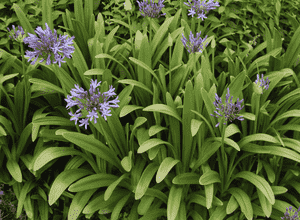
For elevating your garden's visual charm, African-lily stands out as a prime selection. This plant showcases striking blossoms in various tones, predominantly rich blues and purples, which are sure to capture attention. The flowers are arranged in lovely clusters atop tall, robust stems, lending the plant an elegant, architectural presence. These vivid colors and distinct forms can add depth and dimension to your garden design, making African-lily an excellent option for focal points or border plantings.
Versatility in diverse environments
A prominent characteristic of African-lily is its remarkable adaptability. Whether your garden is situated in a sunny location or partial shade, African-lily can flourish beautifully. This plant is recognized for its hardiness, making it suitable for various soil types, including sandy, clay, or loamy soils, provided they drain well. Its flexibility allows gardeners to incorporate African-lily into different landscaping styles, from contemporary minimalist designs to lush, cottage garden aesthetics. This adaptability ensures African-lily can be a valuable addition to almost any garden.
All-season allure
African-lily isn't merely a seasonal favorite; it provides continuous appeal that keeps your garden attractive throughout the year. During its active growth period, the vibrant flowers offer a burst of color, while the evergreen leaves ensure your garden remains lush and green even in colder months. The strap-like foliage maintains its form and beauty year-round, offering consistent visual interest. This perennial's capacity to deliver ongoing beauty, regardless of the season, makes it a dependable and lasting choice for your landscape.
Designing Your Landscape with African-lily
Evaluating your garden area and light exposure
Before integrating African-lily into your garden, it's vital to assess your garden space and understand the light conditions. African-lily thrives best in areas with full sun to partial shade. Observe how much sunlight your garden receives daily, and identify spots that meet the plant's light requirements. Ensure the area has well-drained soil, as African-lily prefers moisture-retentive yet well-aerated conditions. Proper assessment of your garden space and light conditions helps ensure African-lily will flourish and seamlessly integrate into your existing landscape.
Selecting appropriate companions for African-lily
To create a harmonious and visually pleasing garden, choosing the right plant companions for African-lily is crucial. Seek out plants that share similar light and soil needs. Consider pairing African-lily with plants like ornamental grasses, daylilies, or lavenders, which complement its texture and color. The aim is to establish a balanced and cohesive plant grouping that enhances the overall aesthetic and ensures all plants thrive. Companion planting can also extend the blooming season and attract beneficial pollinators, contributing to a vibrant and healthy garden.
Design concepts: edges, beds, and central features
African-lily is a flexible plant that can be utilized in various design elements within your garden. For borders, plant African-lily in groupings to create a rhythmic and consistent look along paths or garden edges. In garden beds, combine African-lily with other perennials to add layers and depth to your planting scheme. If you're seeking a dramatic focal point, planting a cluster of African-lily can create a stunning visual centerpiece. Experiment with different arrangements and groupings to find the design that best suits your garden's style and your personal preferences.
Incorporating African-lily into Existing Gardens
Transplanting advice for established areas
Integrating African-lily into an established garden demands careful planning and execution. When transplanting African-lily, choose a cool, overcast day to minimize transplant shock. Dig a hole that's twice as wide and as deep as the plant's root ball. Gently remove the plant from its container, being careful not to harm the roots, and place it into the hole at the same depth it was growing previously. Backfill the hole with soil, water thoroughly, and mulch around the base to retain moisture. These steps will help African-lily settle into its new home and thrive in your established garden.
Balancing visual appeal and practicality
While aesthetics are important, practicality should not be overlooked when integrating African-lily into your landscape. Ensure African-lily is planted in an area that allows for easy access during maintenance and facilitates adequate air circulation to prevent diseases. If you're incorporating African-lily into a mixed border, consider its mature size to avoid overcrowding. Balancing beauty and practicality ensures African-lily enhances your garden's visual appeal without creating additional maintenance challenges.
Upkeep considerations for extended vitality
To enjoy African-lily's beauty for many years, regular maintenance is essential. Water the plant consistently, especially during dry periods, to keep the soil moist but not waterlogged. Deadhead spent flowers to encourage new blooms and remove any dried or yellowing foliage to maintain a neat appearance. In colder climates, protect African-lily from frost by applying mulch or using frost covers during winter. Regular feeding with a balanced fertilizer will support healthy growth and flowering. With these maintenance tips, African-lily will continue to shine and contribute to the longevity of your garden's beauty.



