Enhancing Your Garden Design with the Japanese sweet flag Plant: A Landscaping Guide
1
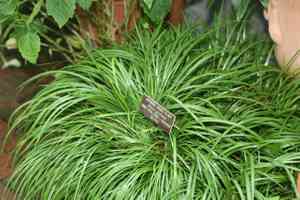
Acorus gramineus provides a distinct aesthetic with its slender, grass-like form.
2
Acorus gramineus demonstrates great versatility, flourishing in both moist and arid environments.
3
Integrating Acorus gramineus with suitable companion plants can result in a balanced and lively garden design.
Integrating Japanese sweet flag into Diverse Garden Styles
Pairing Japanese sweet flag with Contemporary Garden Designs
Within modern garden aesthetics, the crisp lines and minimalist appeal of Japanese sweet flag are fully showcased. Its sleek, grass-like form complements modern materials like concrete, glass, and metal, forging a harmonious blend of nature and contemporary design. Furthermore, its low-growing habit makes it ideal for path edging or forming geometric patterns in beds, enhancing the streamlined look of modern areas.
Employing Japanese sweet flag in Classic Garden Settings
For more classic garden layouts, Japanese sweet flag provides a touch of grace and enduring charm. Its shape and texture can enhance traditional garden elements such as roses, boxwood hedges, and perennial borders. Planted near water features, it evokes a sense of calm and equilibrium, reminiscent of traditional Japanese gardens where it frequently resides. Its adaptability allows for easy integration into various classic garden themes.
Creating Visual Contrast with Japanese sweet flag in Minimalist Themes
In minimalist garden designs, where simplicity and clarity are paramount, Japanese sweet flag stands out for its subtle allure. Its slender, arching foliage offers a gentle contrast to the sleek, open spaces characteristic of minimalist landscapes. Using Japanese sweet flag to establish focal points or delineate garden zones can help define the area without overwhelming it. The plant's low-maintenance nature also aligns with the minimalist principle of simplicity and ease.
Seasonal Considerations for Japanese sweet flag in Your Outdoor Space
Spring and Summer: Optimizing Growth and Visual Impact
During spring and summer, Japanese sweet flag is at its most robust, with fresh growth adding vivid color and lushness to the garden. To maximize its effect, ensure it receives sufficient water, particularly during dry spells. Fertilizing in early spring can also encourage vigorous growth. As temperatures climb, the contrast between Japanese sweet flag and other blooming plants will create a dynamic visual display, bringing your landscape to life.
Autumn and Winter: Ensuring Survival and Aesthetic Appeal
In autumn and winter, Japanese sweet flag continues to offer visual interest even as other plants may decline. Its evergreen foliage provides color and structure during colder months. To guarantee its survival, shield it from extreme cold by applying a layer of mulch around its base. While it needs less water in winter, ensure the soil doesn't completely dry out. Even off-season, Japanese sweet flag can retain its form and beauty, adding subtle charm to the winter landscape.
Pairing Japanese sweet flag with Other Flora
Companion Plants for Japanese sweet flag
Combining Japanese sweet flag with companion plants can boost its visual appeal and create a balanced landscape. Consider pairing it with plants that have contrasting textures and colors, such as hostas, ferns, and astilbes. These plants thrive in similar conditions, and their varied forms create a rich, layered look. Additionally, flowering plants like irises and daylilies can add splashes of color that harmonize with the subtle greens of Japanese sweet flag.
Avoiding Competing or Detrimental Plant Combinations
While Japanese sweet flag is quite adaptable, it's crucial to avoid planting it with aggressive species that might outcompete it for resources. Plants like bamboo or overly invasive ground covers can overshadow Japanese sweet flag and hinder its development. Furthermore, avoid planting it in excessively dry or nutrient-poor soils alongside plants with vastly different water or light needs, as this can create an imbalance detrimental to its health.
Care Guidelines for Japanese sweet flag in Landscapes
Regular Inspections and Basic Upkeep
Routine care for Japanese sweet flag involves regular checks and fundamental maintenance to keep it thriving. Water the plant consistently, especially during dry periods, and ensure the soil retains adequate moisture. Periodically remove any dead or damaged leaves to encourage healthy growth. Applying a balanced, slow-release fertilizer in spring can supply the necessary nutrients for robust development. By performing these simple tasks, you can ensure Japanese sweet flag remains a vibrant part of your landscape.
Managing Pests and Diseases
Although Japanese sweet flag is generally resistant to pests and diseases, occasional issues may arise. Monitor the plant regularly for signs of common problems such as leaf spot or root rot, particularly in overly saturated soils. If pests like aphids are observed, they can typically be controlled with a strong spray of water or, in more severe cases, an appropriate insecticidal soap. Promptly addressing any problems ensures that Japanese sweet flag stays healthy and continues to enhance your garden's beauty.



