Optimal Fertilizer for Growing King protea: What You Need to Know
1
King protea flourishes in soils that drain effectively and have a mildly acidic pH.
2
Applying too much fertilizer can harm the roots and cause an excess of nutrients for King protea.
3
The best time to fertilize King protea to encourage strong development is during the spring.
Deciphering King Protea's Fertilization Requirements
The Fundamentals of King Protea's Nutritional Needs
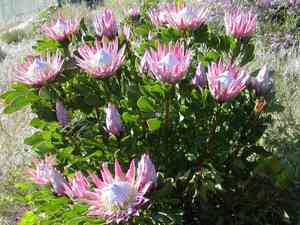
The King protea, an impressive plant indigenous to South Africa, is celebrated for its striking flowers and distinctive leaves. To ensure this exotic specimen flourishes, a thorough grasp of its dietary demands is crucial. King protea needs a balanced blend of nitrogen (N), phosphorus (P), and potassium (K), but it favors lower phosphorus levels compared to other flora. Ensuring well-drained, slightly acidic soil (pH 5.5-6.5) facilitates efficient nutrient absorption.
Indicators of Nutrient Shortages
Spotting nutrient deficiencies early can spare your King protea significant distress. Common indicators to look out for include yellowing leaves, stunted development, and poorly formed flowers. A lack of nitrogen often presents as pale green or yellow foliage, while insufficient potassium might cause browning leaf margins on older leaves. Noticing these cues allows for prompt corrective actions to restore your plant's vitality.
Selecting the Appropriate Fertilizer for King Protea
Fertilizer Varieties Suitable for King Protea
Choosing the correct fertilizer for your King protea means selecting products that cater to its particular requirements. A low-phosphorus, gradual-release fertilizer is optimal. Seek out formulations with an even N-P-K ratio, such as 6-1-6 or similar. This guarantees your King protea receives the necessary nutrients without the risk of phosphorus accumulation, which can be harmful.
Organic Versus Synthetic Fertilizers
Both natural and artificial fertilizers have their advantages and disadvantages. Organic fertilizers, like compost and aged manure, enhance soil structure and offer a slow, consistent release of nutrients. However, their effects may take longer to become apparent. Chemical fertilizers provide precise nutrient ratios and quicker growth but can degrade soil quality and demand careful use to avoid over-fertilization. For King protea, a balanced strategy incorporating both types might yield the best outcomes while maintaining soil health.
How to Administer Fertilizer to King Protea
Optimal Fertilization Period
Timing is vital when fertilizing King protea. The ideal period is spring, as the plant commences its active growth phase. Applying fertilizer at the start of spring helps the plant utilize nutrients throughout the growing season, promoting vibrant blossoms and healthy foliage. Refrain from fertilizing during the dormant winter months to prevent nutrient wastage and root damage.
Application Methods and Suggestions
Applying fertilizer to King protea demands precision. Here are some pointers:1. Measure the precise amount of fertilizer according to package directions to prevent over-fertilization.2. Distribute the fertilizer uniformly around the plant's base, but keep it from directly contacting the stem.3. Water the plant thoroughly after fertilization to aid nutrient uptake and prevent root burn.4. Mulching around the plant can help retain moisture and enhance nutrient absorption. These methods ensure your King protea receives the best possible nourishment.
Post-Fertilization Monitoring of King Protea
Evaluating Plant Health After Fertilization
Once your King protea has been fertilized, it's crucial to observe its health to gauge effectiveness. Look for signs of renewed development, lush foliage, and vivid blooms as indicators that the plant is benefiting from the fertilizer. Conversely, watch for any adverse reactions such as leaf scorch or discoloration that might signal over-fertilization or nutrient imbalances.
Adjustments and Ongoing Upkeep
Successful fertilization doesn't conclude after the initial application. Continuously assessing your King protea's requirements is paramount. If the plant shows deficiencies or excesses, modify your fertilization schedule or product type accordingly. Regular soil analysis can also assist in making informed decisions about future fertilizer applications. Furthermore, consistent care, including proper watering, pruning, and pest control, complements fertilization and keeps your King protea in peak condition.



