Optimal Fertilizer for Growing Blushing philodendron: What You Need to Know
1
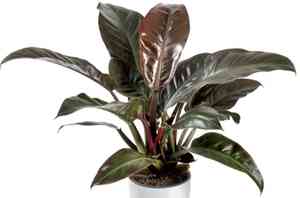
The optimal period to nourish your Blushing philodendron with fertilizer is during summer, as this coincides with its active growth phase.
2
A balanced liquid fertilizer, typically one with a 20-20-20 NPK ratio, is frequently suggested for Blushing philodendron.
3
Prior to fertilization, verify the soil's pH; an ideal range of 5.5 to 6.5 promotes superior nutrient uptake.
Deciphering Fertilizer Requirements for Blushing Philodendron
Essential Nutrients for Blushing Philodendron Growth
For prime development, the Blushing Philodendron needs a balanced array of nutrients. Key elements, known as macronutrients, include nitrogen (N), phosphorus (P), and potassium (K). These three are vital for the plant's overall health and vitality. Nitrogen promotes abundant, green foliage; phosphorus supports robust root formation and blooming; while potassium aids general plant well-being and disease resilience. The plant also benefits from secondary nutrients such as calcium and magnesium, along with micronutrients like iron, manganese, and zinc.
The Crucial Roles of Macronutrients and Micronutrients
Both macronutrients and micronutrients are pivotal for the health and growth of the Blushing Philodendron. Macronutrients, required in larger quantities, encompass nitrogen, phosphorus, and potassium. They are indispensable for the plant's development, root structure, and overall strength. Conversely, micronutrients, though needed in smaller amounts, are equally important. Elements such as iron assist in chlorophyll creation, manganese supports various plant metabolic functions, and zinc is crucial for producing growth hormones. A balanced supply of both nutrient types will ensure your Blushing Philodendron flourishes.
Identifying Nutrient Deficiencies in Blushing Philodendron
Prompt recognition of nutrient deficiency signs in your Blushing Philodendron is essential for timely intervention. Common indicators include yellowing leaves, stunted development, and poor leaf formation. For example, a nitrogen shortage might appear as yellowing on older leaves, while phosphorus deficiency can lead to dark, blue-green foliage and restricted plant growth. Insufficient potassium often results in brown or scorched leaf margins. Attentive observation of these symptoms will help you accurately adjust your plant's feeding schedule.
Selecting the Appropriate Fertilizer for Blushing Philodendron
Fertilizer Options: Organic versus Synthetic
Choosing between organic and synthetic fertilizers depends on your gardening preferences. Organic fertilizers, sourced naturally from compost, manure, and bone meal, enhance soil structure and release nutrients gradually. Synthetic fertilizers, conversely, provide a rapid nutrient boost and often have more precise nutrient ratios. For Blushing Philodendron, both types can be effective; however, balanced synthetic liquid fertilizers are generally advised for simpler management and consistency.
Recommended NPK Proportions for Blushing Philodendron
When picking a fertilizer for your Blushing Philodendron, understanding the NPK ratio – the balance of nitrogen, phosphorus, and potassium – is crucial. A balanced liquid fertilizer with an NPK ratio of 20-20-20 is frequently suggested. This ratio delivers equal parts of essential nutrients, fostering vigorous foliage, root development, and general plant health. Remember to dilute the fertilizer according to package directions to prevent over-fertilization, which can harm the plant.
The Significance of Soil pH for Fertilization
Soil pH critically influences nutrient absorption for the Blushing Philodendron. Ideally, the soil should be slightly acidic, falling between 5.5 and 6.5. Within this pH range, nutrients are most accessible to the plant's root system. You can easily check soil pH using a kit from gardening centers. If the pH is too high or low, you may need to amend the soil before fertilizing to ensure effective nutrient uptake.
Method and Timing for Fertilizing Blushing Philodendron
Optimal Season for Blushing Philodendron Fertilization
The best period to fertilize Blushing Philodendron is during the warmer months. This timing coincides with the plant's active growth phase, when it can most efficiently utilize additional nutrients. Fertilizing in summer ensures the plant receives the necessary support for new growth and vitality. Avoid fertilizing in autumn and winter when the plant's growth slows, as this can cause nutrient accumulation in the soil.
A Step-by-Step Guide to Fertilizing Your Blushing Philodendron
Fertilizing your Blushing Philodendron is simple if you adhere to these instructions:Begin by diluting the liquid fertilizer as per the package instructions. This typically involves mixing a specific quantity of fertilizer with water.Water your plant thoroughly before applying fertilizer to prevent root damage.Evenly apply the diluted fertilizer across the soil surface, being careful to avoid direct contact with the leaves.Water the plant again after fertilizing to help the nutrients penetrate deeper into the soil.Repeat this procedure every 4-6 weeks throughout the growing season.
How Often Should You Apply Fertilizer?
Consistency is vital when fertilizing Blushing Philodendron. During the summer growth period, it's advised to fertilize the plant every 4-6 weeks. This schedule provides a steady supply of nutrients without overwhelming the plant. However, always observe your plant's reaction to fertilization. If you notice signs of over-fertilization, such as yellowing leaves or salt deposits on the soil surface, consider reducing the frequency or concentration of the fertilizer.



