Optimal Fertilizer for Growing Barbados gooseberry: What You Need to Know
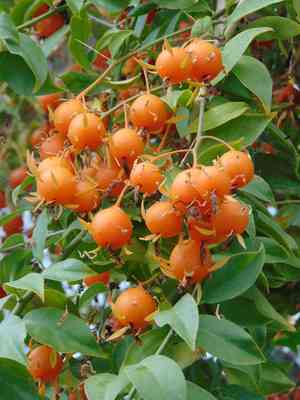
1
Barbados gooseberry flourishes with fertilization during its active growth period, from spring through summer.
2
A 10-10-10 or 20-20-20 NPK blend is optimal for Barbados gooseberry.
3
Organic feeding options can enhance soil quality and deliver vital nourishment to your Barbados gooseberry.
Grasping the Nutritional Requirements of Barbados Gooseberry
Importance of Nutrients for Plant Development
Plants, like all living things, need various nutrients to flourish. For Barbados gooseberry, sufficient amounts of macronutrients such as nitrogen (N), phosphorus (P), and potassium (K) are essential. Nitrogen aids leaf growth, phosphorus is vital for root development and blooming, and potassium supports overall plant vigor and disease resistance. Additionally, secondary nutrients like calcium, magnesium, and trace elements such as iron and zinc are crucial for balanced development.
Specific Nutrient Demands for Barbados Gooseberry
Barbados gooseberry is relatively low-maintenance, but ensuring proper nutrient supply can greatly boost its growth and fruit yield. It requires a balanced blend of the mentioned nutrients to sustain its development through various life stages. In early phases, more nitrogen helps produce strong foliage. As the plant matures, a slightly higher potassium level supports fruiting and general well-being.
Selecting the Appropriate Fertilizer for Barbados Gooseberry
Organic Versus Synthetic Fertilizers
The choice between organic and synthetic fertilizers can impact your plant's health and soil quality. Organic options, like compost and manure, release nutrients slowly and enhance soil structure, but might need more frequent application. Synthetic fertilizers, such as those with a balanced NPK ratio, offer an immediate nutrient boost but can sometimes lead to soil degradation if overused. A combination of both often yields optimal results for Barbados gooseberry.
Ideal NPK Ratio for Barbados Gooseberry Plants
A balanced NPK ratio, such as 10-10-10 or 20-20-20, is generally best for Barbados gooseberry. This ratio ensures equal parts nitrogen, phosphorus, and potassium, promoting overall plant health. During fruiting periods, a fertilizer with a higher potassium ratio (e.g., 10-10-20) may be beneficial. Always adhere to the manufacturerâs guidelines to prevent nutrient imbalances.
Optimal Fertilization Practices for Barbados Gooseberry
When and How Often to Apply Fertilizer
The best times to fertilize Barbados gooseberry are during spring and summer, aligning with its active growth period. Fertilizing every 4-6 weeks during these seasons can provide a steady nutrient supply. Over-fertilizing can harm the plant, so it's vital to follow a schedule and avoid excessive applications.
Application Methods for Effective Nourishment
Several effective fertilization methods exist for Barbados gooseberry. Granular fertilizers can be scattered around the base, then watered to help nutrients penetrate the root zone. Liquid fertilizers can be mixed with water and applied directly, offering a rapid nutrient boost. Slow-release fertilizers are advantageous for consistent nutrient delivery over time. Regardless of the method chosen, ensure even distribution and follow package instructions to maximize plant health.
Common Errors to Avoid When Fertilizing Barbados Gooseberry
Effects of Excessive Fertilization
Over-fertilization can cause nutrient burn, where surplus nutrients damage the plantâs roots, leading to yellowing leaves, wilting, or even plant death. Adhering to the manufacturer's recommended dosages and maintaining a regular schedule can prevent over-fertilization. When in doubt, itâs better to apply less fertilizer more often than to risk applying too much at once.
Neglecting Soil pH and Composition
Soil pH and composition significantly influence nutrient availability to plants. Barbados gooseberry prefers slightly acidic to neutral soil (pH 6.0-7.0). Conduct a soil test before fertilizing to understand its current state and adjust as needed with lime (to increase pH) or sulfur (to decrease pH). Ignoring these factors can result in poor nutrient uptake, regardless of fertilization efforts.
Monitoring Plant Health Post-Fertilization
Indicators of Successful Fertilization
Observe Barbados gooseberry for positive signs that it is responding well to fertilization. Robust growth, vibrant green foliage, and increased fruiting indicate effective fertilization. Regular observation helps detect and address any nutrient deficiencies early.
Adjusting Fertilization Strategies Based on Plant Response
Every plant is unique, and Barbados gooseberry is no exception. If you notice signs of stress or nutrient deficiency (e.g., yellowing leaves, stunted growth), modify your fertilization strategy. This might involve changing the amount, frequency, or type of fertilizer used. Soil testing and consistent monitoring can guide these adjustments, ensuring the plant's optimal health.



