Optimal Fertilizer for Growing Black mulberry: What You Need to Know
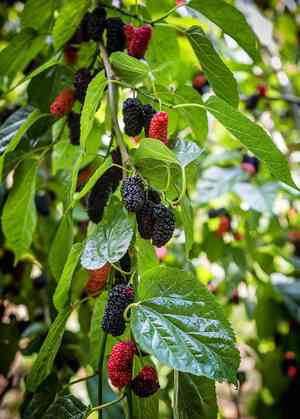
1
Consistent fertilization of Black mulberry trees during springtime encourages better fruit yield and vigorous development.
2
Employing natural fertilizers can enhance soil composition and foster a more sustainable habitat for Black mulberry trees.
3
Observe leaf coloration and general development to fine-tune nutrient application methods across the entire growing period.
Understanding the Nutritional Requirements of Black Mulberry
Key Nutrients for Robust Development
For thriving, productive growth, Black mulberry trees need a balanced intake of macro and micronutrients. The primary elements include nitrogen (N), phosphorus (P), and potassium (K), which are vital for various growth processes. Nitrogen promotes abundant foliage, phosphorus aids root and bloom formation, and potassium ensures overall health and disease resistance. Furthermore, micronutrients like iron, manganese, and zinc, though required in smaller quantities, are crucial for chlorophyll synthesis and enzyme function.
Indicators of Nutrient Deficiency
Identifying nutrient deficiencies early can prevent lasting harm to your Black mulberry tree. Yellowing leaves and stunted development often signal a lack of nitrogen. Poor root growth and fewer blossoms might indicate phosphorus deficiency, while curled leaves and weak stems can be symptoms of insufficient potassium. Micronutrient shortages may manifest as discolored leaves, either with yellow veins or mottled patterns. Observing these signs can help you implement timely corrective actions.
Selecting the Appropriate Fertilizer for Black Mulberry
Organic vs. Synthetic Fertilizers
Choosing the correct fertilizer for Black mulberry trees involves understanding the advantages of both organic and synthetic options. Organic fertilizers, such as compost, manure, and bone meal, enhance soil health and encourage beneficial microbial activity. They release nutrients gradually, providing a consistent, prolonged feed. Conversely, synthetic fertilizers offer precise nutrient ratios and rapid results, but they may not improve the soil's long-term fertility. A combination of both might be the optimal strategy for your specific requirements.
Specific Formulas for Fruit-Producing Trees
To boost fruit yield, utilizing fertilizers specifically designed for fruit-bearing trees can be highly advantageous. These formulations typically contain more phosphorus to support flower and fruit development. Look for fertilizers with an N-P-K ratio like 5-10-10, which signifies a balanced composition ideal for fruiting. Applying these at the right time ensures your Black mulberry tree has the necessary nutrients for a plentiful harvest.
Optimal Practices for Fertilizing Black Mulberry
When to Fertilize for Peak Growth
Timing is crucial when it comes to fertilizing Black mulberry trees. The ideal time to fertilize is in the spring, just as the tree begins to emerge from dormancy. This timing ensures the tree has ample nutrients available during its critical growth phase. A second application in mid-summer can support continued growth and fruit production. Avoid fertilizing in late fall, as this can stimulate new growth that might be damaged by winter frost.
Methods for Applying Fertilizer
Applying fertilizer correctly ensures your Black mulberry receives maximum benefit. Begin by evenly distributing the fertilizer around the tree's base, but avoid direct contact with the trunk to prevent burning. For granular fertilizers, lightly rake the topsoil to mix the granules, then water thoroughly to help nutrients reach the roots. Liquid fertilizers can be diluted and applied directly to the soil or as a foliar spray for immediate nutrient absorption.
Monitoring Fertilizer Effects and Adjustments
After fertilizing, it's essential to observe your Black mulberry tree for signs of improvement or any negative reactions. Healthy, green leaves and vigorous growth indicate the tree is responding well. If you notice any adverse changes, such as leaf burn or lush foliage with poor fruiting, you may need to modify your fertilization strategy. Regular soil testing can also provide insights and help fine-tune your approach to maintain optimal nutrient levels.
Preventing Common Fertilization Mistakes
Avoiding Excessive Fertilization
Over-fertilizing Black mulberry trees can lead to abundant vegetative growth at the expense of fruit production. It can also cause nutrient imbalances and damage to the tree's roots. To prevent over-fertilization, always adhere to the recommended application rates on the fertilizer packaging, and consider conducting soil tests to better understand your tree's specific needs. When in doubt, it's often safer to apply less fertilizer rather than too much.
Addressing Fertilizer Runoff and Environmental Impact
Fertilizer runoff poses a significant environmental risk, as excess nutrients can seep into water bodies, causing pollution and harmful algal blooms. To minimize runoff, use slow-release fertilizers and organic matter that retains nutrients in the soil longer. Mulching around the tree's base can also help retain moisture and reduce runoff. Additionally, incorporating ground cover plants can help stabilize the soil and prevent erosion. Always ensure you're applying the correct amount of fertilizer and take steps to protect the surrounding environment.



