Optimal Fertilizer for Growing Moringa: What You Need to Know
1
Moringa trees thrive with fertilization during summer, their primary growth period.
2
Regular observation of foliage color and development can detect nutrient shortages promptly.
3
Organic feeds not only provide nutrients to your Moringa but also improve soil quality over time.
Understanding Moringa's Nutritional Requirements
Essential Nutrients for Moringa
To ensure your Moringa tree flourishes, it's vital to grasp its specific nutrient demands. Moringa trees are heavy feeders, meaning they require an abundant supply of primary nutrients like nitrogen (N), phosphorus (P), and potassium (K). Nitrogen is crucial for leaf development and vibrant green foliage. Phosphorus aids root growth and flower production, while potassium is key for overall health and disease resistance. Additionally, secondary nutrients such as calcium, magnesium, and sulfur, along with trace elements like iron, manganese, and zinc, play significant roles in comprehensive growth and development.
Signs of Nutrient Deficiencies in Moringa
Early detection of nutrient deficiencies can prevent severe health issues in your Moringa. Yellowing leaves, especially older ones, may signal a nitrogen shortage. Stunted growth and poor flowering can indicate a phosphorus deficiency, while brown leaf edges often point to insufficient potassium. Trace element deficiencies can appear in various ways; for instance, an iron deficiency might cause interveinal chlorosis where leaves yellow but veins stay green. Regular inspection for these signs ensures timely corrective action.
Selecting the Right Fertilizer for Moringa
Suitable Fertilizer Types for Moringa
Choosing the appropriate fertilizer is crucial for your Moringa tree's health. Balanced fertilizers, with an equal N-P-K ratio (e.g., 10-10-10), are generally a good choice as they provide a harmonious nutrient blend. Alternatively, you can opt for specific fertilizers targeting particular deficiencies based on soil test results. For example, a nitrogen-rich fertilizer, like urea (46-0-0), may be suitable if the soil lacks nitrogen. Understanding your soil's unique needs will guide your best fertilizer selection.
Organic Versus Synthetic Fertilizers for Moringa
Both organic and synthetic fertilizers offer benefits and can effectively nourish your Moringa. Organic fertilizers, such as compost, manure, or bone meal, slowly release nutrients and enhance soil structure over time. They are eco-friendly and beneficial for long-term soil health. In contrast, synthetic fertilizers like ammonium nitrate and superphosphate provide immediate nutrient availability and are often more concentrated, making them effective for quick deficiency correction. However, they can sometimes lead to soil nutrient imbalances if not used carefully. Balancing both types can sustainably optimize your Moringa's health.
Applying Fertilizer to Moringa
Optimal Timing and Frequency for Fertilizing Moringa
Fertilizing your Moringa at the correct time ensures maximum nutrient uptake. The best time to fertilize is during the summer months, as this is Moringa's peak growth period. Typically, a bi-monthly fertilization schedule works well, but this can vary based on your tree's specific needs and the fertilizer type. For instance, slow-release fertilizers may require less frequent application compared to fast-acting ones. Monitoring plant performance and adjusting the schedule as needed is key to successful fertilization.
Techniques for Applying Fertilizer to Moringa
Correct fertilizer application significantly impacts its effectiveness. For granular fertilizers, spread them evenly in a circle around the tree's base, extending to the drip line (the outermost circumference of the tree's canopy). Lightly work the fertilizer into the topsoil with a rake and water thoroughly to help nutrients penetrate the root zone. For liquid fertilizers, dilute the concentrate according to manufacturer instructions and apply directly to the soil around the tree's base. Ensuring even and thorough distribution prevents nutrient hotspots and root burn.
Monitoring Moringa Growth Post-Fertilization
Indicators of Effective Fertilization
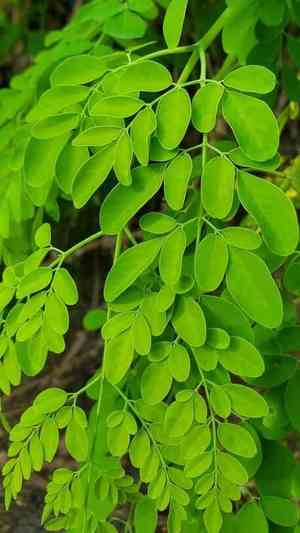
Successful fertilization can be observed through several indicators in your Moringa. Look for vigorous growth, including new leaves and branches, and a deep green color indicating good nitrogen levels. Healthy flowering and fruiting are also positive signs. Additionally, robust root development and an absence of nutrient deficiency symptoms, such as yellowing or browning leaves, are good indicators that your fertilization regimen is effective.
Adjusting Fertilization Based on Growth
Regular monitoring and assessment of your Moringa's growth will help you fine-tune your fertilization practices. If you notice signs of nutrient excess, such as burnt leaf tips or overly rapid growth, you may need to reduce the quantity or frequency of fertilizer applications. Conversely, if growth seems sluggish despite fertilization, you might need to increase nutrient supplies or address potential soil pH issues that can affect nutrient availability. Keeping a detailed log of your fertilization practices and plant responses can be immensely helpful in making informed adjustments for optimal growth and health of your Moringa.



