Optimal Fertilizer for Growing Arrowroot: What You Need to Know
1
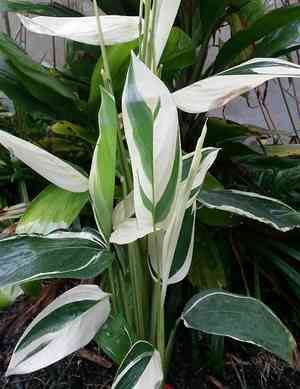
Arrowroot thrives with a general-purpose fertilizer, usually a 10-10-10 blend.
2
Refrain from excessive fertilization of Arrowroot to prevent nutrient damage, which can harm the plant.
3
Optimal fertilization for Arrowroot occurs in the summer season, coinciding with its vigorous growth period.
Deciphering Arrowroot's Dietary Requirements
Crucial Nutrients for Arrowroot Development
To cultivate a robust and flourishing Arrowroot, supplying appropriate nutrients is essential. This vegetation thrives with a balanced provision of nitrogen (N), phosphorus (P), and potassium (K). Nitrogen promotes abundant foliage, phosphorus enhances subterranean growth, and potassium ensures the plant's overall wellness and function. Additionally, Arrowroot might necessitate trace elements such as magnesium, iron, and calcium for peak development. Guaranteeing these elements are present in the soil will set your plant up for achievement.
Indicators of Nutrient Shortfalls in Arrowroot
Identifying nutrient deficiencies promptly can prevent severe health issues for your Arrowroot. Common indicators include yellowed leaves, stunted expansion, and poor root formation. A deficit in nitrogen often manifests as pallid foliage, while insufficient phosphorus can cause purplish tints in the leaves. Potassium scarcity might lead to brown margins or blemishes on the leaves. By noting these symptoms, you can modify your feeding strategy to address your plant's specific needs.
Selecting the Optimal Fertilizer for Arrowroot
Fertilizer Varieties Suitable for Arrowroot
Choosing the correct fertilizer is paramount for Arrowroot's healthy growth. A balanced fertilizer with a 10-10-10 N-P-K ratio is typically appropriate. This ensures a consistent supply of vital nutrients without overwhelming the plant. Controlled-release fertilizers are also a good choice as they provide a steady nutrient flow over time. Liquid fertilizers can be applied every two weeks during the active growing season for a more immediate nutritional boost.
Natural vs. Chemical Fertilizers for Arrowroot
The choice between organic and synthetic fertilizers can be critical, depending on your plant care philosophy. Natural fertilizers like compost or vermicompost can enhance soil vitality and offer a gradual release of nutrients. They are environmentally friendly and excellent for long-term soil quality. Chemical fertilizers, conversely, provide precise nutrient ratios and are readily absorbed by the plant. However, they can contribute to soil degradation over time if not applied prudently.
When and How to Nourish Arrowroot
Ideal Period to Fertilize Arrowroot
Timing is crucial when it comes to feeding Arrowroot. The optimal time to begin is during the summer months, aligning with the plant's active growth period. This is when the plant has the highest nutrient absorption rate, allowing it to fully benefit from the fertilizer you provide. Start fertilizing in early summer and continue periodically throughout the peak growing season.
Step-by-Step Instructions for Fertilizing Arrowroot
Nourishing Arrowroot is uncomplicated if you follow these guidelines:Select a balanced 10-10-10 fertilizer.Measure the appropriate quantity based on your plant's size and fertilizer type.Administer the fertilizer around the plant's base, ensuring even distribution.Water the plant thoroughly to aid in dissolving and dispersing the nutrients.Repeat this process every 4-6 weeks during the active growth period. Adhering to these steps will ensure your Arrowroot receives the necessary nutrients for optimal development.
Assessing Arrowroot After Feeding
Observing Vigor and Condition Post-Fertilization
After fertilizing Arrowroot, it's essential to observe the plant to confirm a positive response. Look for signs of robust development, such as vibrant, green leaves and a healthy root system. The plant should display increased vitality and resilience, indicating sufficient nutrient levels. Keep a close watch on the foliage, looking for any adverse effects that might suggest over-fertilization.
Adjusting Feeding Practices Based on Plant Feedback
Plant care is an continuous endeavor, and modifications are often necessary based on the plant's reaction. If Arrowroot exhibits signs of nutrient burn, such as scorched leaf edges, you may need to lessen the frequency or concentration of fertilizer. Conversely, if the plant appears weak or shows signs of deficiency, you can consider slightly increasing the fertilization. Continuously observe your plant and modify your feeding practices to maintain its health and vibrancy.



