Optimal Fertilizer for Growing Shrimp plant: What You Need to Know
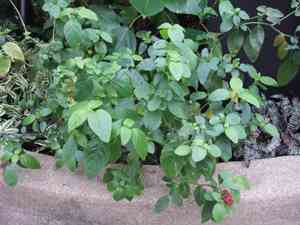
1
Shrimp plants flourish with nutrient application during their summer growth period.
2
Excessive feeding can result in chemical damage to the Shrimp plant's foliage and root system, so adhere strictly to suggested amounts.
3
A well-balanced, liquid feed ensures ideal nourishment for continuous development and bright flowers.
Deciphering the Fertilization Needs of Shrimp Plants
Optimal Fertilization Periods for Shrimp Plants
The Shrimp plant (Justicia brandegeeana) is an appealing perennial celebrated for its unique shrimp-shaped flowers. To maintain their lushness and prolific blooming, comprehending their nutrient requirements is vital. The ideal period for fertilizing your Shrimp plant aligns with its active growth phase, which occurs in summer. During these warmer months, the plant undergoes its most vigorous expansion and development, thus demanding more nutrients to support this growth. A consistent feeding schedule throughout summer will help ensure your Shrimp plant stays healthy and full of life.
Indicators Your Shrimp Plant Requires Nutrients
Despite regular upkeep, your Shrimp plant will provide clear signals when it needs an additional nutrient boost. Yellowing foliage, stunted development, and sparse blooms are typical signs that the plant lacks essential nutrients. Another indicator can be a general droopiness, even with sufficient watering. If these symptoms appear, it might be time to nourish your Shrimp plant.
Selecting the Appropriate Fertilizer for Your Shrimp Plant
Fertilizer Varieties: Advantages and Disadvantages for Shrimp Plants
When choosing a fertilizer for your Shrimp plant, you have several choices: organic, synthetic, and slow-release options. Organic fertilizers, sourced naturally, are gentler on the plant and enhance soil health over time. However, their nutrient release is often slower. Synthetic fertilizers provide a rapid nutrient surge and are simple to apply, but they risk root burn if used excessively. Slow-release fertilizers gradually deliver nutrients, minimizing over-fertilization risks, but they can be pricier. Each type offers distinct benefits, so pick one that suits your gardening approach and requirements best.
How to Ascertain the Correct Application Rate
Determining the accurate fertilizer dosage is crucial to prevent plant stress and harm. Most fertilizer packaging includes guidelines based on plant size and developmental stage. For Shrimp plants, a balanced fertilizer, such as a 10-10-10, is typically advised. If using a water-soluble fertilizer, employ 1 teaspoon (5 milliliters) per gallon (3.8 liters) of water. Always begin with a reduced dose to observe the plant's reaction, adjusting as necessary. Excessive fertilization can result in nutrient accumulation and damage your plant, so exercising caution is paramount.
Applying Fertilizer to Your Shrimp Plant
A Detailed Guide to Fertilizing Shrimp Plants
Fertilizing your Shrimp plant is simple when done methodically:Prepare your fertilizer as per the product instructions.Thoroughly water your Shrimp plant prior to applying fertilizer. This helps prevent root scorching.Distribute the fertilizer solution evenly around the plant's base.Gently incorporate the fertilizer into the soil to ensure even nutrient distribution.Lightly water the plant again to help transport nutrients to the root zone. Repeat this procedure every 4-6 weeks during summer for optimal outcomes.
Frequent Errors to Avoid During Fertilization
While beneficial, fertilization can be problematic if not performed correctly. Common errors include over-fertilizing, which can cause nutrient burns and root damage. Using an overly potent fertilizer can also stress the plant. Another frequent mistake is fertilizing during the plant's dormant phase, which for the Shrimp plant, falls outside the active growing season. Always adhere to recommended dosages and schedules to prevent these issues.
Post-Fertilization Monitoring of Your Shrimp Plant
Anticipated Changes After Fertilizing Shrimp Plants
Following fertilization, you should notice improvements in your Shrimp plant within a few weeks. The plant ought to appear more vibrant, with healthier, greener foliage. Bloom production should intensify, leading to more frequent and larger flowers. It's vital to closely observe the plant for any indicators of over- or under-fertilization during this period.
Adjusting Care Based on Plant Feedback
Plants, much like individuals, exhibit unique reactions to feeding. If your Shrimp plant displays signs of over-fertilization, such as leaf scorch or wilting, reduce both the frequency and amount of fertilizer. Conversely, if you observe a lack of anticipated growth or persistent yellowing leaves, consider a slight increase in nutrient provision. Consistent monitoring and modifying care based on the Shrimp plant's response ensure its continued flourishing.



