Optimal Fertilizer for Growing Spotted touch-me-not: What You Need to Know
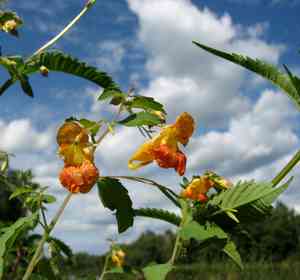
1
Applying fertilizer in summer significantly enhances Spotted touch-me-not's development.
2
An even NPK balance (10-10-10) is perfect for sustaining Spotted touch-me-not's vitality.
3
Spotted touch-me-not flourishes optimally in soil that is somewhat acidic to neutral, having a pH range of 5.5 to 6.5.
Grasping the Nutritional Requirements of Spotted touch-me-not
Soil Preferences and Initial Evaluation
To effectively nourish Spotted touch-me-not, comprehending its soil needs is vital. This plant thrives in damp, rich, and well-draining soil. Before commencing fertilization, perform an initial assessment of the soil's quality. Testing the soilâs pH level can offer insights into its acidity or alkalinity; Spotted touch-me-not favors slightly acidic to neutral soil, with a pH range of 5.5 to 6.5. Examine the soil for organic matter content and drainage capacity. The presence of organic material like compost can lessen the need for heavy fertilization, while ensuring proper drainage prevents waterlogging, which can negatively impact the plantâs well-being.
Essential Nutrients for Optimal Development
Spotted touch-me-not requires key nutrients for vigorous growth. The primary nutrients include nitrogen (N), phosphorus (P), and potassium (K). Nitrogen supports foliage development, phosphorus promotes root growth and blooming, while potassium enhances overall plant resilience and vigor. In addition to these, secondary nutrients such as calcium, magnesium, and sulfur, along with trace elements like iron, manganese, and zinc, play crucial roles in ensuring the plant remains healthy and vibrant. Consistent provision of these nutrients through appropriate fertilization ensures Spotted touch-me-not achieves peak growth and flowers brightly throughout the season.
Selecting the Appropriate Fertilizer for Spotted touch-me-not
Organic vs. Synthetic Fertilizers
When choosing a fertilizer for Spotted touch-me-not, you can opt for either organic or synthetic varieties, each offering distinct advantages. Organic fertilizers, derived from natural sources such as compost, manure, and bone meal, release nutrients gradually, improving soil structure and fostering a healthy soil ecosystem. They are perfect for gardeners who prefer environmentally friendly choices. Conversely, synthetic fertilizers, created from chemical compounds, provide a quicker release of nutrients and can offer precise nutrient ratios tailored to the plantsâ requirements. However, they may lead to soil degradation over time if used excessively. Weighing the pros and cons, and considering current soil conditions, will help you decide the best fertilizer for your Spotted touch-me-not.
Recommended NPK Ratio
The ideal NPK ratio for fertilizing Spotted touch-me-not is 10-10-10. This balanced ratio guarantees an equal supply of nitrogen, phosphorus, and potassium, fulfilling the plant's fundamental needs. This ratio aids in promoting lush foliage, strong root systems, and vivid blooms. Whether you choose liquid, granular, or slow-release fertilizers, ensure the product delivers this balanced nutrient ratio. Furthermore, observing the plantâs reaction to fertilization can help adjust NPK levels if necessary, ensuring the plant receives adequate nutrition throughout its growing season.
Best Practices for Fertilizing Spotted touch-me-not
Timing and Frequency of Application
Summer is the prime time to fertilize Spotted touch-me-not for enhanced growth and flowering. During this period, the plant is in its active growth phase and can efficiently utilize the provided nutrients. Begin fertilizing in early summer and continue until the season's end. Apply fertilizer every 4-6 weeks to maintain consistent nutrient availability without overwhelming the plant. Monitoring the plantâs growth and adjusting the frequency accordingly ensures that Spotted touch-me-not achieves peak health and vibrancy.
Applying Fertilizers: Methods and Advice
For effective fertilization, consider the following methods and tips. When using granular fertilizer, evenly scatter it around the plant's base and gently work it into the soil, avoiding direct contact with the stem to prevent damage. Water the plant thoroughly after application to help dissolve the granules and facilitate nutrient absorption. If using liquid fertilizer, dilute it according to instructions and apply it directly to the soil. Slow-release fertilizers are another practical option, releasing nutrients gradually over an extended period. Regardless of the method, always follow the recommended dosage to prevent over-fertilization, and ensure you water the plants regularly to assist in nutrient uptake.
Monitoring Plant Health After Fertilization
Indicators of Proper Fertilization
After fertilizing, it's crucial to observe Spotted touch-me-not for signs of adequate nutrition. Look for vibrant, lush foliage and an abundance of healthy blooms as indicators of sufficient fertilization. The plant should display robust growth, with leaves appearing green and free from signs of yellowing or browning at the edges. A consistent flowering pattern throughout the summer season is a strong indication that the plant is receiving ample nutrients.
Common Issues and Solutions
Despite best efforts, sometimes Spotted touch-me-not may exhibit signs of nutritional imbalance or other problems. Yellowing leaves can suggest nitrogen deficiency, while poor flowering might indicate insufficient phosphorus levels. If you notice signs of over-fertilization, such as brown leaf tips or stunted growth, reduce the frequency or amount of fertilizer applied. Additionally, ensure regular watering and proper drainage as excessively dry or waterlogged soil can affect nutrient absorption. Conducting periodic soil tests and adjusting the fertilization regimen accordingly will help in troubleshooting and maintaining the plantâs health.



